
Exploring Low Volume Molding: A Cost-Effective Solution for Precision Manufacturing
Time:
2025-10-18 10:50
Source:
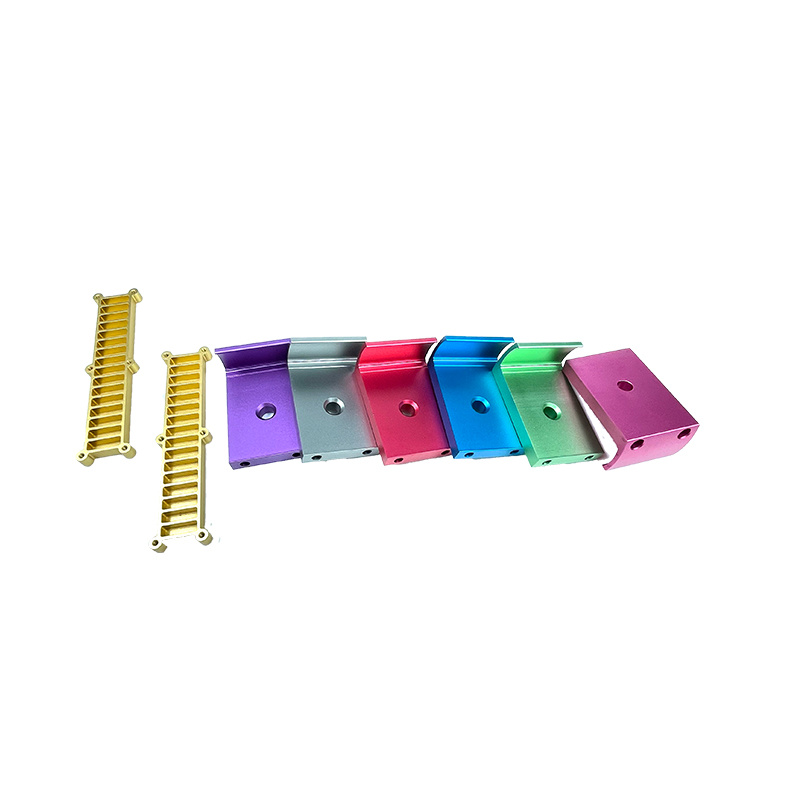
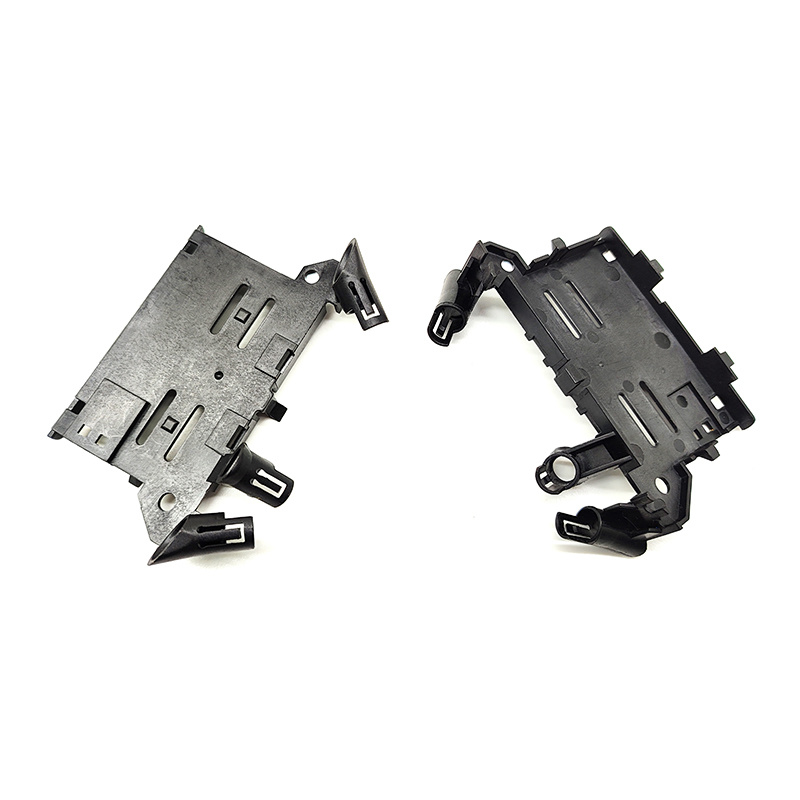
Low volume molding is an innovative manufacturing technique designed to produce a smaller quantity of parts while maintaining high precision and quality. This method is particularly advantageous for industries where traditional mass production may not be feasible or cost-effective. Understanding the intricacies of low volume molding can help manufacturers meet specific demands efficiently and effectively.
One of the main benefits of low volume molding is its ability to reduce lead times. Unlike high-volume production methods that require extensive setup and tooling, low volume molding allows for quicker turnaround times. Manufacturers can develop prototypes and small runs of parts, providing the flexibility to make necessary adjustments based on feedback or design changes without incurring substantial costs.
Another significant advantage of low volume molding is its cost-effectiveness. For companies that require fewer parts, investing in expensive tooling for high-volume production can lead to unnecessary expenses. Low volume molding uses simpler and often less costly molds, which can be modified or re-used for different projects. This adaptability not only saves money but also minimizes waste, making it a more sustainable option in today’s manufacturing landscape.
The applications of low volume molding are vast and varied. Industries such as automotive, medical devices, consumer products, and electronics frequently utilize this method to produce custom parts. It is especially beneficial for startups and small businesses that may not have the resources to invest in large-scale production yet still need high-quality components for their products. Low volume molding allows these companies to bring their designs to market quickly and efficiently.
In addition to cost and time efficiency, low volume molding offers remarkable design flexibility. As manufacturers work on fewer parts, they can innovate and explore more complex designs that may not be viable for mass production. This flexibility is crucial for companies looking to differentiate themselves in a competitive market, allowing them to create unique and tailored solutions for their customers.
Moreover, low volume molding provides the opportunity for extensive testing and validation of products before committing to large-scale production. Manufacturers can gather valuable data on product performance, material selection, and design functionality, ensuring that the final product meets both market expectations and regulatory requirements.
In conclusion, low volume molding is a valuable technique for manufacturers seeking to produce high-quality, precise components without the need for large-scale production. Its benefits of reduced lead times, cost efficiency, design flexibility, and the ability to test products extensively make it an attractive option for many industries. By leveraging low volume molding, companies can enhance their manufacturing capabilities and respond more effectively to market demands.
low volume molding
Related news
2024-11-15