
Unlocking Efficiency: The Role of Rapid Tooling in Modern Manufacturing
Time:
2024-11-13 10:00
Source:
Unlocking Efficiency: The Role of Rapid Tooling in Modern Manufacturing
Table of Contents
- 1. Introduction to Rapid Tooling
- 2. What is Rapid Tooling?
- 3. Benefits of Rapid Tooling in Manufacturing
- 4. How Rapid Tooling Works
- 5. Applications of Rapid Tooling Across Industries
- 6. Challenges of Implementing Rapid Tooling and Their Solutions
- 7. The Future of Rapid Tooling in Manufacturing
- 8. Conclusion
- 9. FAQs
1. Introduction to Rapid Tooling
In an era where competitiveness and efficiency are crucial for success, **rapid tooling** emerges as a transformative solution in the manufacturing landscape. This innovative approach provides manufacturers with the ability to create tools and prototypes quickly and cost-effectively, addressing the ever-increasing demand for speed and precision in product development.
2. What is Rapid Tooling?
Rapid tooling refers to a collection of techniques that enable the swift production of tools needed for manufacturing parts. This can include both **soft tooling** (for low-volume production) and **hard tooling** (for high-volume production). The primary goal of rapid tooling is to reduce the time taken to design and manufacture tools, significantly shortening the product development cycle.
2.1 Key Techniques in Rapid Tooling
Several methodologies fall under the umbrella of rapid tooling, including:
- **3D Printing**: Also known as additive manufacturing, this technology allows for the creation of complex geometries directly from digital models.
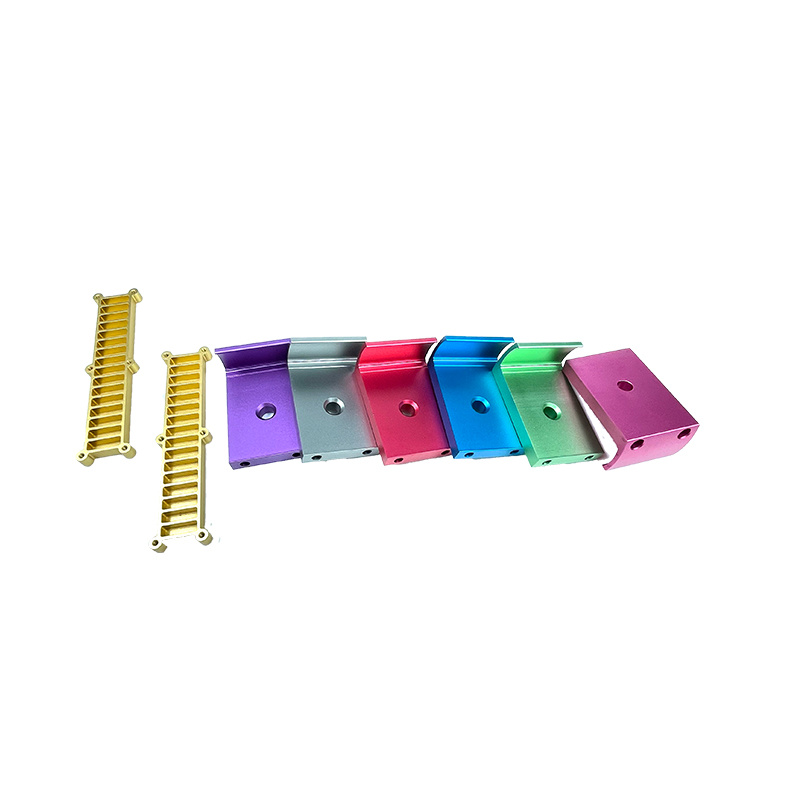
- **CNC Machining**: Computer Numerical Control machining automates the manufacturing process, enhancing precision and reducing human error.
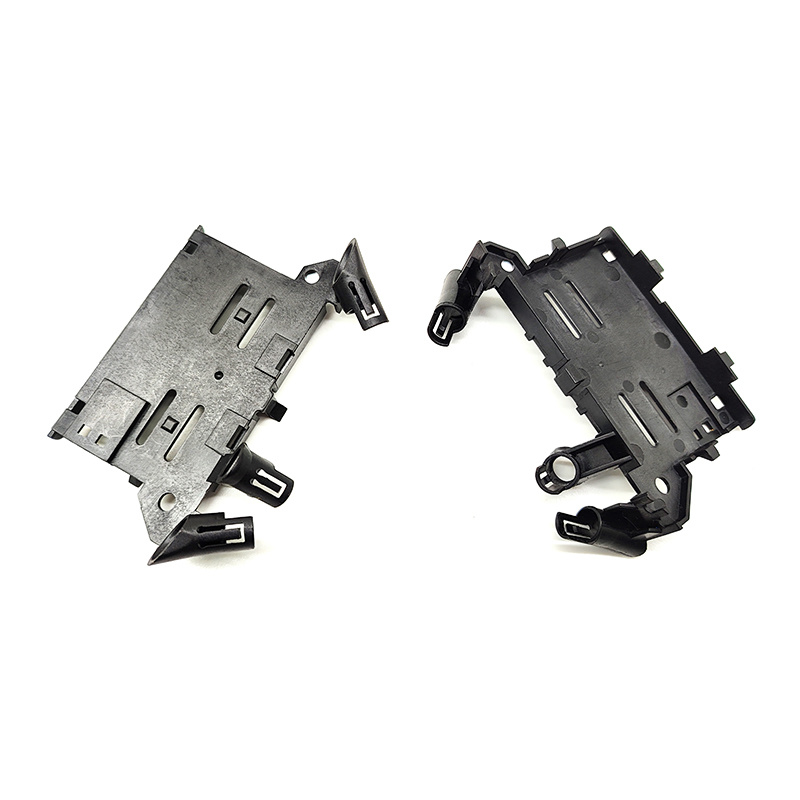
- **Injection Molding**: Rapid tooling can also streamline the creation of molds for injection molding, allowing for faster turnaround times.
3. Benefits of Rapid Tooling in Manufacturing
The implementation of rapid tooling in manufacturing offers numerous advantages that can lead to enhanced operational efficiency and reduced costs.
3.1 Faster Time-to-Market
One of the most significant benefits of rapid tooling is the accelerated time-to-market. By minimizing the time spent on tool design and production, companies can introduce their products to the market quicker than ever before.
3.2 Cost-Effectiveness
Rapid tooling can significantly reduce costs associated with traditional tooling methods. By optimizing the design process and reducing material waste, manufacturers can achieve significant savings.
3.3 Design Flexibility
Rapid tooling allows for more extensive design iterations and testing. Manufacturers can quickly modify designs based on feedback, ensuring that the final product meets customer expectations.
3.4 Enhanced Quality Control
With the ability to create prototypes quickly, manufacturers can conduct rigorous testing before full-scale production. This leads to improved product quality and reduced defect rates.
4. How Rapid Tooling Works
Understanding the processes involved in rapid tooling is essential for manufacturers looking to implement these techniques effectively.
4.1 The Design Process
The first step in rapid tooling involves creating a digital model of the tool or part. Advanced CAD (Computer-Aided Design) software is typically used to develop these models, ensuring precision and accuracy.
4.2 Prototyping
Once the digital model is complete, manufacturers can produce a prototype using rapid tooling techniques. This prototype can be tested for functionality and design flaws, allowing for any necessary adjustments before final production.
4.3 Final Production
After successful testing and modifications, the final tooling is created. Depending on the scale of production needed, manufacturers can choose between soft or hard tooling methods.
5. Applications of Rapid Tooling Across Industries
Rapid tooling is not limited to a single industry; its applications span various sectors, each benefiting from improved efficiency and reduced costs.
5.1 Automotive Industry
In the automotive sector, rapid tooling is utilized to produce components such as dashboards and panels. The ability to quickly prototype and test designs allows manufacturers to stay ahead of market trends.
5.2 Aerospace Industry
The aerospace industry relies on rapid tooling for the production of complex components that require high precision and quality. The reduction in lead times can significantly impact project timelines.
5.3 Consumer Electronics
With the rapid pace of technological advancement, consumer electronics manufacturers leverage rapid tooling to expedite the development of new devices, ensuring they remain competitive.
5.4 Medical Devices
In the medical field, rapid tooling can be crucial for developing devices that require stringent regulatory compliance. The ability to test and refine designs quickly is a significant advantage.
6. Challenges of Implementing Rapid Tooling and Their Solutions
While the benefits of rapid tooling are substantial, there are challenges that manufacturers may face during implementation.
6.1 Initial Investment Costs
The initial costs of adopting rapid tooling technologies can be high. However, manufacturers can mitigate this by conducting a thorough cost-benefit analysis to demonstrate long-term savings.
6.2 Skill Gaps
A lack of skilled personnel can hinder the successful implementation of rapid tooling processes. Investing in training and development programs can bridge this gap and enhance operational efficiency.
6.3 Material Limitations
Certain rapid tooling methods may face limitations regarding the types of materials used. Exploring new materials and incorporating hybrid techniques can help overcome these challenges.
7. The Future of Rapid Tooling in Manufacturing
The future of rapid tooling looks promising, with advancements in technology continuously shaping the manufacturing landscape.
7.1 Integration of AI and Machine Learning
As artificial intelligence and machine learning technologies evolve, they will play an increasing role in optimizing rapid tooling processes. These technologies can enhance design accuracy and efficiency.
7.2 Sustainable Manufacturing Practices
With a global focus on sustainability, rapid tooling can contribute to eco-friendly manufacturing practices by reducing waste and energy consumption.
7.3 Advanced Materials Development
The development of new materials specifically designed for rapid tooling will expand the scope of applications and improve the performance of tools and components.
8. Conclusion
Rapid tooling is revolutionizing the manufacturing industry by offering solutions that enhance efficiency, reduce costs, and improve product quality. As technology continues to advance, manufacturers who embrace rapid tooling will find themselves at a competitive advantage in the market. The ongoing developments in materials, processes, and integration with other technologies will only serve to amplify its impact. By understanding and leveraging rapid tooling, companies can unlock new levels of productivity and innovation.
9. FAQs
What is the primary benefit of rapid tooling?
The primary benefit of rapid tooling is its ability to significantly reduce the time and cost associated with producing tools and prototypes, thereby accelerating the overall manufacturing process.
How does rapid tooling impact product quality?
Rapid tooling enhances product quality by allowing for faster prototyping and testing, which helps identify and rectify design flaws before full-scale production.
Is rapid tooling suitable for all manufacturing industries?
While rapid tooling is highly beneficial in industries such as automotive, aerospace, and medical devices, its application can vary based on specific industry needs and requirements.
What technologies are commonly used in rapid tooling?
Common technologies in rapid tooling include 3D printing, CNC machining, and injection molding, each offering different advantages depending on the project scope.
How can manufacturers overcome the challenges of implementing rapid tooling?
Manufacturers can overcome challenges by conducting thorough cost-benefit analyses, investing in employee training, and exploring new materials and hybrid techniques.
Rapid tooling
Related news
2024-11-15