
Understanding Low-Volume Parts: The Key to Efficient Manufacturing
Time:
2024-09-18 10:40
Source:
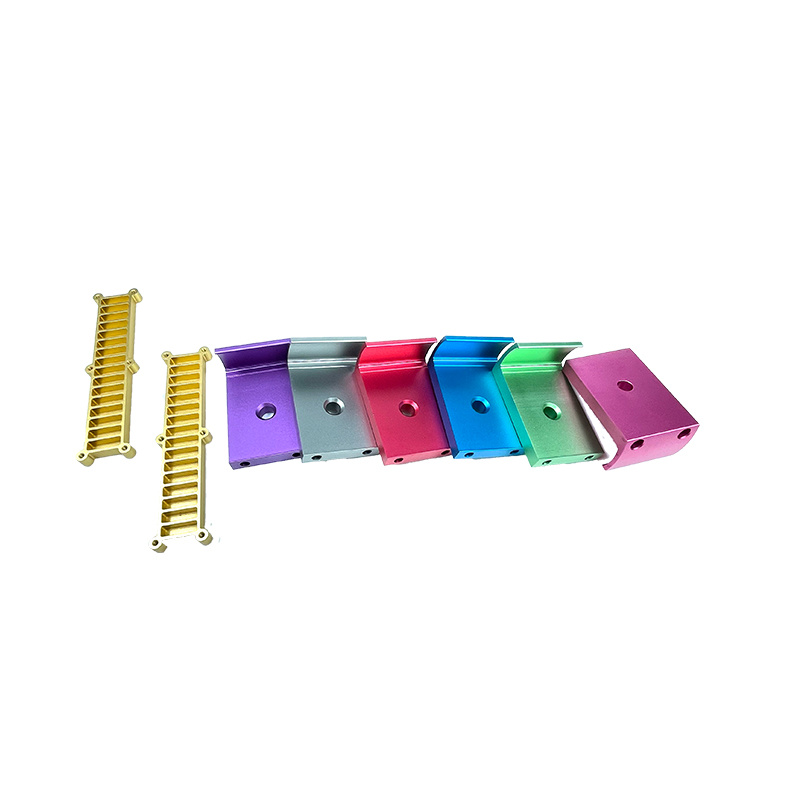
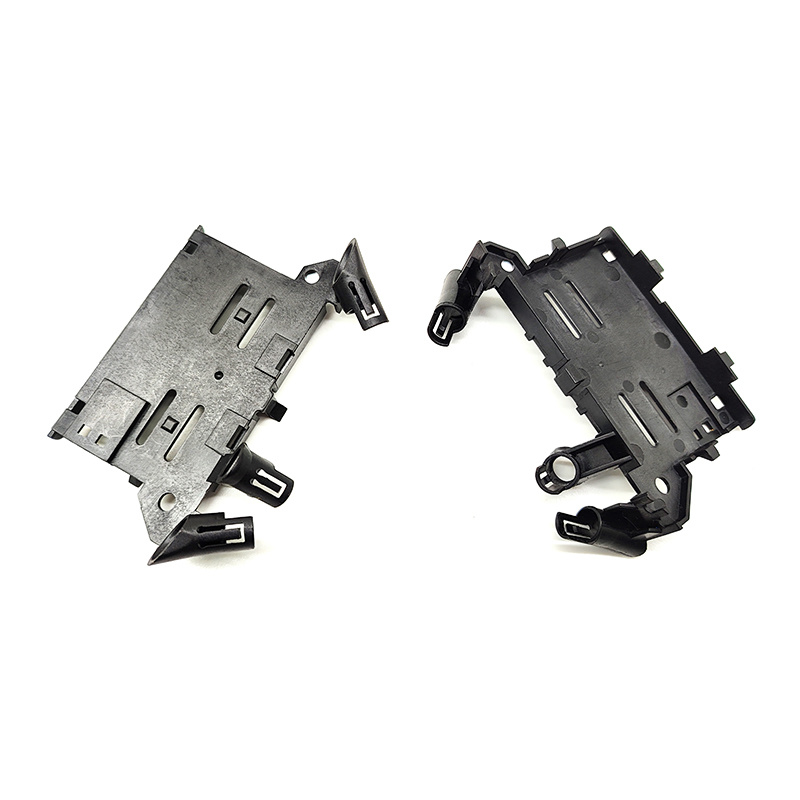
In the context of manufacturing, low-volume parts refer to components produced in smaller quantities, often tailored for specific applications or projects. This approach contrasts sharply with high-volume production, where large quantities of identical items are created. Low-volume parts play an essential role in various sectors, including mechanical hardware, where customization, precision, and quick turnaround times are often required.
One of the primary advantages of low-volume parts is their ability to facilitate prototyping and experimentation. Businesses looking to develop new products or refine existing ones can benefit immensely from producing small batches of components. This allows for thorough testing and evaluation without the commitment of mass production. By utilizing low-volume parts, manufacturers can gather valuable feedback, make necessary adjustments, and ensure that the final product meets the intended specifications and quality standards.
Another notable benefit of low-volume parts is their cost-effectiveness in certain scenarios. While the unit cost for producing individual parts may be higher compared to mass production, the overall expenditure can be significantly lower when considering the reduced waste and the avoidance of excess inventory. This is particularly important for companies focusing on niche markets or those that require specialized components but do not have the demand to justify large-scale production.
Low-volume parts also support enhanced flexibility in design and production. Manufacturers can quickly adapt to changing market demands or technological advancements without the burden of retooling for mass production. This agility allows businesses to stay competitive and responsive to customer needs, making low-volume production a strategic choice in a fast-paced industrial landscape.
Additionally, low-volume parts are particularly advantageous for industries where bespoke solutions are often required. From aerospace to automotive and even medical equipment, the need for specialized components that meet exact specifications is a common theme. These industries benefit from the ability to produce unique, high-quality parts tailored to specific performance or regulatory standards.
In conclusion, low-volume parts are a vital aspect of modern manufacturing, especially within the mechanical hardware sector. They provide opportunities for innovation, cost savings, and flexibility, enabling companies to bring customized solutions to market quickly and efficiently. Embracing the potential of low-volume production can lead to significant advantages in design and manufacturing processes, ultimately enhancing overall competitiveness in various industries.
Low-volume parts
Related news

2024-11-15