Understanding Die-Casting Parts: A Comprehensive Guide for Manufacturing Professionals
Time:
2024-11-07 10:00
Source:
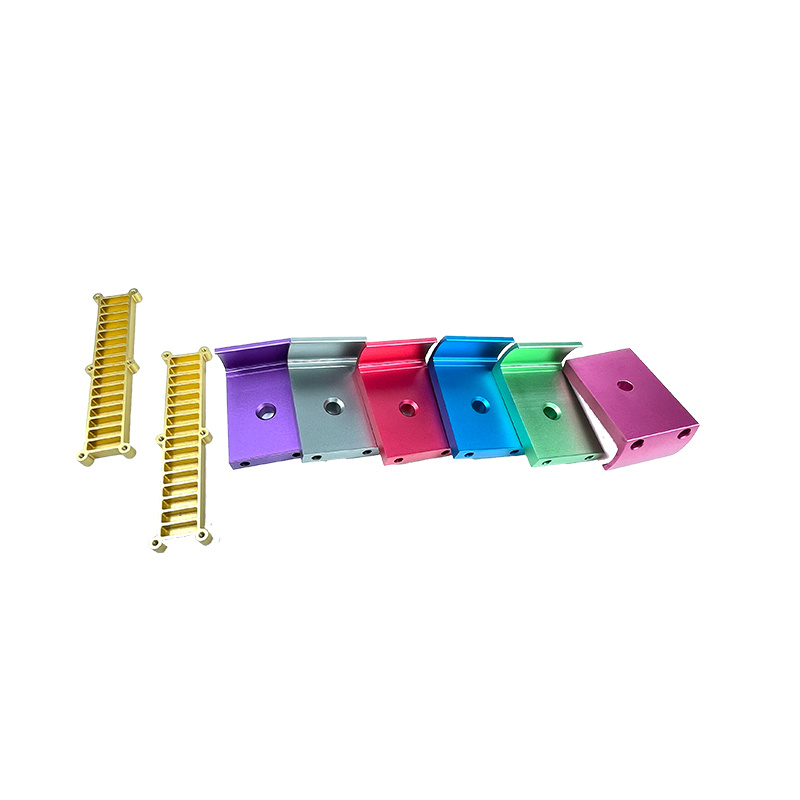
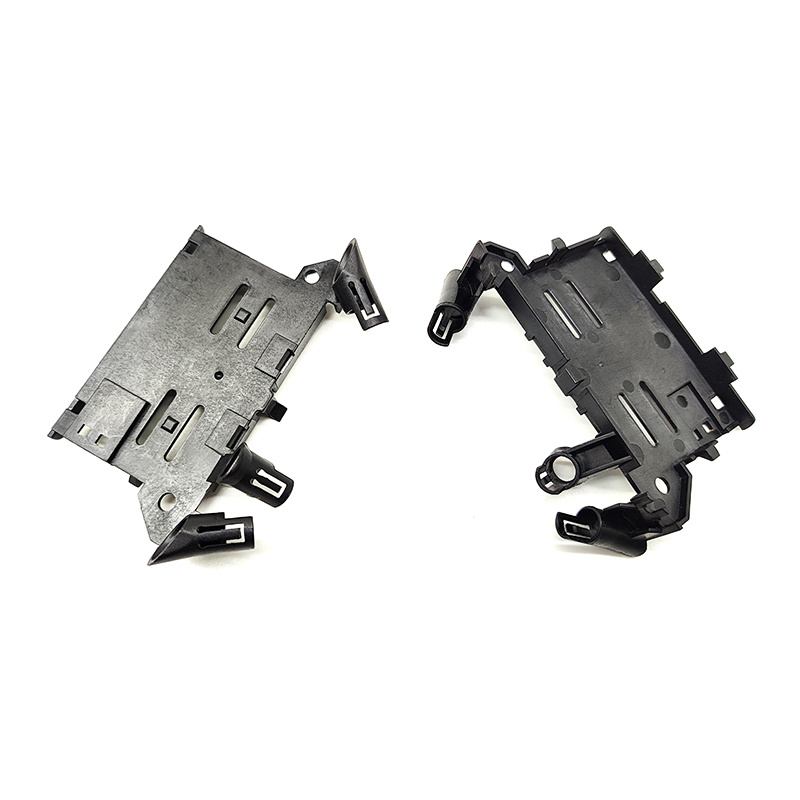
Die-casting parts play a crucial role in the manufacturing industry, particularly for professionals involved in the creation of molds for die-casting and forging processes. This method of production is characterized by its ability to produce complex shapes with high precision, making it an essential technique for various applications. Understanding the intricacies of die-casting parts can significantly enhance the efficiency and quality of manufacturing operations.
At its core, die-casting is a metal casting process that utilizes a mold or die to shape molten metal into desired forms. The process involves forcing molten metal under high pressure into a mold cavity. This method is particularly advantageous for producing large quantities of parts that require a high level of detail and consistency. The resulting die-casting parts are often used in industries ranging from automotive and aerospace to electronics and consumer goods.
One of the primary benefits of die-casting parts is their exceptional dimensional accuracy. The process allows for tight tolerances, which is critical for applications where precision is paramount. Additionally, die-casting parts provide a smooth surface finish, reducing the need for extensive machining or surface treatment post-production. This efficiency can lead to significant cost savings and shorter lead times in manufacturing.
Die-casting is also versatile in terms of materials. While aluminum and zinc are commonly used, a variety of alloys can be employed to achieve specific properties. This flexibility enables manufacturers to select the most suitable materials based on the performance requirements of the final product. For instance, aluminum die-casting parts are lightweight and exhibit good corrosion resistance, making them ideal for automotive applications.
The die-casting process can be categorized into two main types: hot chamber and cold chamber die-casting. The choice between these methods often depends on the type of metal being used and the specific requirements of the project. Hot chamber die-casting is typically used for metals with low melting points, while cold chamber die-casting is suitable for high-melting-point materials.
In addition to their manufacturing advantages, die-casting parts contribute to sustainability efforts. The process generates minimal waste, as the molten metal can be reused, and it requires less energy compared to other metalworking methods. As industries increasingly focus on sustainability, the adoption of die-casting parts can align with corporate responsibility goals.
In conclusion, die-casting parts are an integral aspect of the manufacturing landscape, providing numerous benefits, including precision, efficiency, and sustainability. Understanding the die-casting process and its applications can empower professionals to make informed decisions and optimize their production capabilities, ultimately contributing to the success of their operations.
At its core, die-casting is a metal casting process that utilizes a mold or die to shape molten metal into desired forms. The process involves forcing molten metal under high pressure into a mold cavity. This method is particularly advantageous for producing large quantities of parts that require a high level of detail and consistency. The resulting die-casting parts are often used in industries ranging from automotive and aerospace to electronics and consumer goods.
One of the primary benefits of die-casting parts is their exceptional dimensional accuracy. The process allows for tight tolerances, which is critical for applications where precision is paramount. Additionally, die-casting parts provide a smooth surface finish, reducing the need for extensive machining or surface treatment post-production. This efficiency can lead to significant cost savings and shorter lead times in manufacturing.
Die-casting is also versatile in terms of materials. While aluminum and zinc are commonly used, a variety of alloys can be employed to achieve specific properties. This flexibility enables manufacturers to select the most suitable materials based on the performance requirements of the final product. For instance, aluminum die-casting parts are lightweight and exhibit good corrosion resistance, making them ideal for automotive applications.
The die-casting process can be categorized into two main types: hot chamber and cold chamber die-casting. The choice between these methods often depends on the type of metal being used and the specific requirements of the project. Hot chamber die-casting is typically used for metals with low melting points, while cold chamber die-casting is suitable for high-melting-point materials.
In addition to their manufacturing advantages, die-casting parts contribute to sustainability efforts. The process generates minimal waste, as the molten metal can be reused, and it requires less energy compared to other metalworking methods. As industries increasingly focus on sustainability, the adoption of die-casting parts can align with corporate responsibility goals.
In conclusion, die-casting parts are an integral aspect of the manufacturing landscape, providing numerous benefits, including precision, efficiency, and sustainability. Understanding the die-casting process and its applications can empower professionals to make informed decisions and optimize their production capabilities, ultimately contributing to the success of their operations.
Die-casting-parts
Related news
2024-11-15