
Understanding High-Volume Parts in Manufacturing: Key Insights for Success
Time:
2024-11-19 09:40
Source:
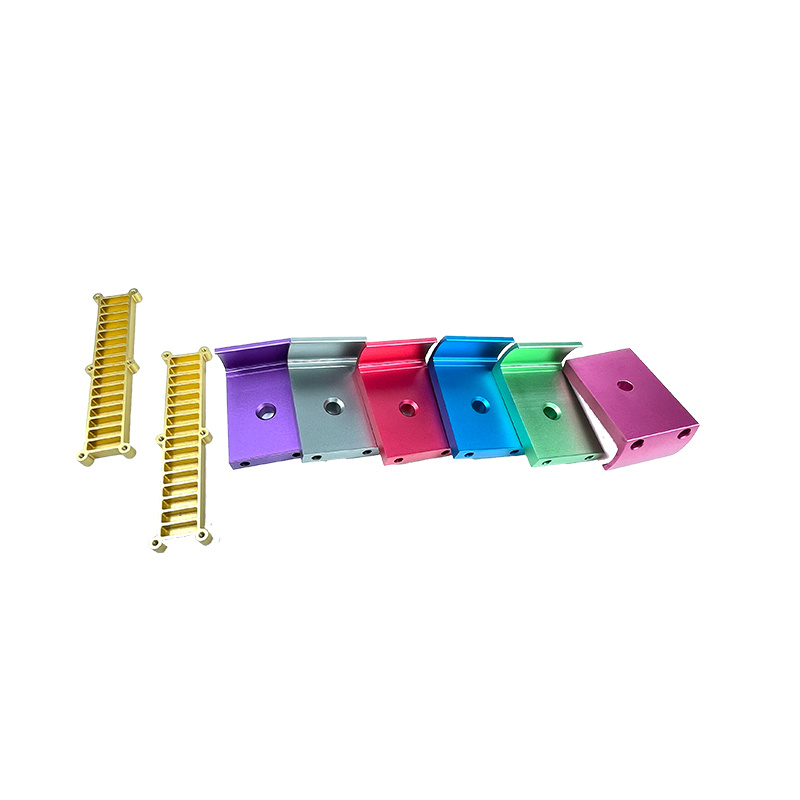
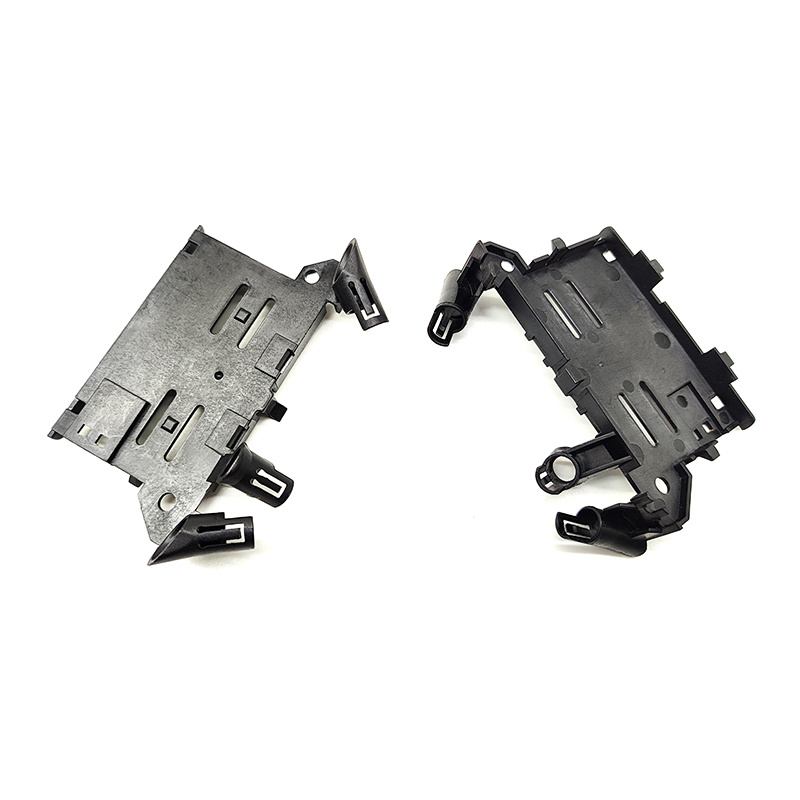
High-volume parts are components produced in large quantities, typically used in various industries such as automotive, aerospace, and consumer goods. The increasing demand for these parts has led to significant advancements in manufacturing technologies, making it essential for businesses in the mechanical machining sector to understand the nuances of high-volume production.
One of the primary advantages of high-volume parts is the cost efficiency gained through economies of scale. When parts are produced in larger quantities, the fixed costs associated with production—such as tooling, labor, and overhead—are spread across a greater number of items. This reduction in per-unit cost can significantly improve profitability. However, achieving high volume production also requires investments in state-of-the-art machinery and technology capable of maintaining quality while maximizing output.
Quality control is another critical aspect of high-volume parts production. As the volume increases, the potential for defects can also rise. Implementing rigorous quality assurance processes, such as automated inspections and real-time monitoring, can help manufacturers detect issues early and ensure that every part meets the stringent standards required in today's competitive market. Adopting a proactive approach to quality can ultimately lead to increased customer satisfaction and lower return rates.
Additionally, the choice of materials plays a vital role in high-volume parts manufacturing. Selecting the right materials not only affects the durability and performance of the parts but also influences the production process. For instance, certain materials may require specific machining techniques or tooling, which can impact lead times and overall efficiency. Understanding the material properties and their compatibility with the manufacturing process is essential for optimizing production.
Moreover, collaboration with suppliers and industry partners can enhance the efficiency of high-volume parts production. By fostering strong relationships with material suppliers and technology providers, manufacturers can gain access to the latest innovations and best practices. This collaboration can lead to improved processes, reduced lead times, and ultimately, a more competitive edge in the marketplace.
In conclusion, high-volume parts are a cornerstone of the manufacturing industry, particularly in mechanical machining. Understanding their significance, focusing on cost efficiency, maintaining quality control, selecting suitable materials, and fostering collaboration can help manufacturers thrive in an increasingly demanding environment. By mastering the intricacies of high-volume production, businesses can better position themselves for success and meet the evolving needs of their customers.
One of the primary advantages of high-volume parts is the cost efficiency gained through economies of scale. When parts are produced in larger quantities, the fixed costs associated with production—such as tooling, labor, and overhead—are spread across a greater number of items. This reduction in per-unit cost can significantly improve profitability. However, achieving high volume production also requires investments in state-of-the-art machinery and technology capable of maintaining quality while maximizing output.
Quality control is another critical aspect of high-volume parts production. As the volume increases, the potential for defects can also rise. Implementing rigorous quality assurance processes, such as automated inspections and real-time monitoring, can help manufacturers detect issues early and ensure that every part meets the stringent standards required in today's competitive market. Adopting a proactive approach to quality can ultimately lead to increased customer satisfaction and lower return rates.
Additionally, the choice of materials plays a vital role in high-volume parts manufacturing. Selecting the right materials not only affects the durability and performance of the parts but also influences the production process. For instance, certain materials may require specific machining techniques or tooling, which can impact lead times and overall efficiency. Understanding the material properties and their compatibility with the manufacturing process is essential for optimizing production.
Moreover, collaboration with suppliers and industry partners can enhance the efficiency of high-volume parts production. By fostering strong relationships with material suppliers and technology providers, manufacturers can gain access to the latest innovations and best practices. This collaboration can lead to improved processes, reduced lead times, and ultimately, a more competitive edge in the marketplace.
In conclusion, high-volume parts are a cornerstone of the manufacturing industry, particularly in mechanical machining. Understanding their significance, focusing on cost efficiency, maintaining quality control, selecting suitable materials, and fostering collaboration can help manufacturers thrive in an increasingly demanding environment. By mastering the intricacies of high-volume production, businesses can better position themselves for success and meet the evolving needs of their customers.
High-volume-parts
Related news
2024-11-15