Unlocking the Potential of Prototype CNC Machining for Precision Manufacturing
Time:
2024-11-23 09:20
Source:
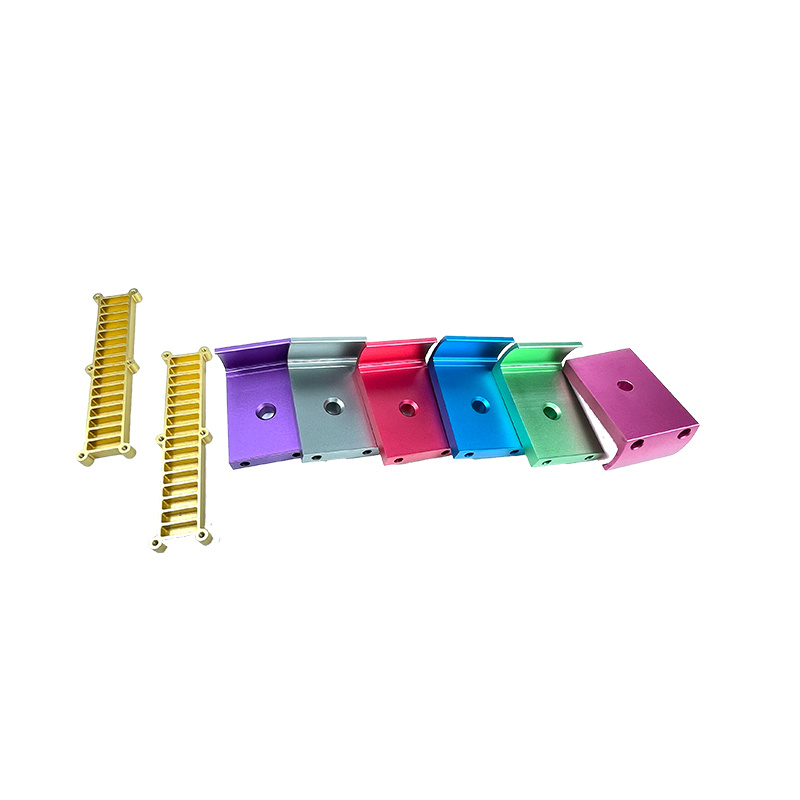
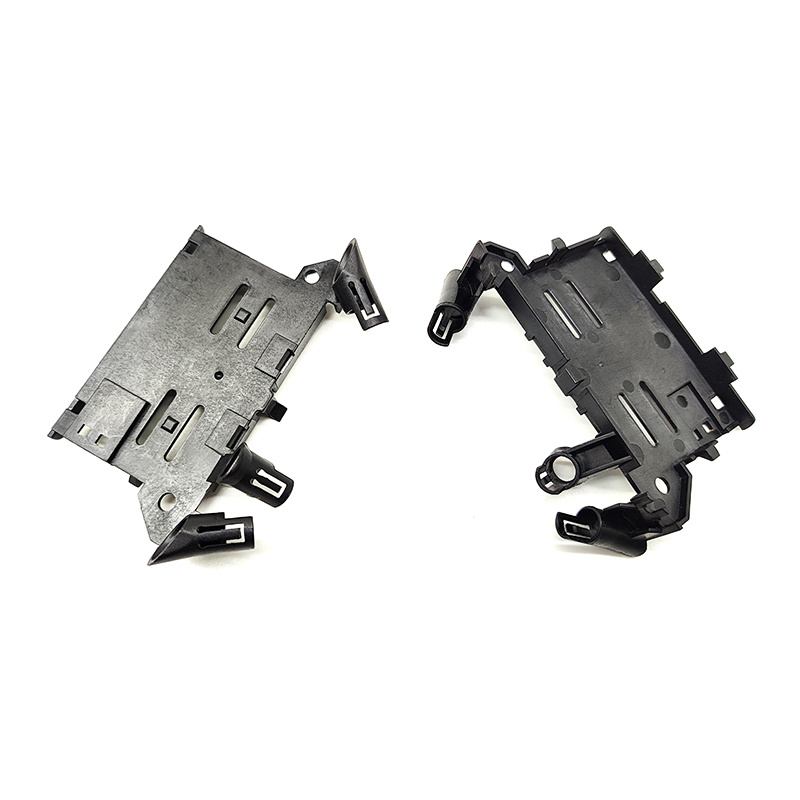
Prototype CNC machining is a crucial process in the realm of manufacturing, particularly in the production of mechanical hardware and custom parts. This technology facilitates the creation of prototypes that are both precise and efficient, allowing engineers and designers to bring their concepts to life with unparalleled accuracy. Here, we will explore the significance of prototype CNC machining and how it can benefit your manufacturing projects.
One of the primary advantages of prototype CNC machining is its ability to produce highly detailed components with complex geometries. Traditional manufacturing methods often struggle with intricate designs, but CNC (Computer Numerical Control) machining uses computerized systems to control the movement of cutting tools, resulting in exceptional precision. This capability is particularly valuable when developing prototypes, as it enables manufacturers to test and iterate designs rapidly, ensuring that the final product meets all specifications and performance requirements.
Another significant benefit of prototype CNC machining is the reduction in lead times. With the traditional prototyping methods, producing a single prototype can be time-consuming due to manual processes and potential errors. In contrast, CNC machining automates many steps in the production process, significantly speeding up the overall timeline. This efficiency allows businesses to respond swiftly to market demands and make necessary adjustments to their designs without prolonged delays.
Moreover, prototype CNC machining is cost-effective for small production runs or one-off projects. Since it minimizes waste and optimizes material usage, manufacturers can save on raw materials while still achieving high-quality outputs. The technology also allows for easy adjustments in the design phase, making it a flexible option for companies looking to innovate without incurring excessive costs.
Furthermore, prototype CNC machining supports the testing of new materials and designs. By creating prototypes, manufacturers can evaluate how different materials behave under various conditions before committing to full-scale production. This capability not only enhances the quality of the final product but also fosters innovation, allowing engineers to explore new possibilities in design and functionality.
In summary, prototype CNC machining plays a vital role in the manufacturing sector, particularly within the mechanical hardware and parts processing industry. Its precision, efficiency, and flexibility make it an invaluable tool for developing prototypes that meet the demands of today’s fast-paced market. By leveraging this technology, businesses can enhance their product offerings, reduce lead times, and drive innovation, positioning themselves for success in a competitive landscape.
One of the primary advantages of prototype CNC machining is its ability to produce highly detailed components with complex geometries. Traditional manufacturing methods often struggle with intricate designs, but CNC (Computer Numerical Control) machining uses computerized systems to control the movement of cutting tools, resulting in exceptional precision. This capability is particularly valuable when developing prototypes, as it enables manufacturers to test and iterate designs rapidly, ensuring that the final product meets all specifications and performance requirements.
Another significant benefit of prototype CNC machining is the reduction in lead times. With the traditional prototyping methods, producing a single prototype can be time-consuming due to manual processes and potential errors. In contrast, CNC machining automates many steps in the production process, significantly speeding up the overall timeline. This efficiency allows businesses to respond swiftly to market demands and make necessary adjustments to their designs without prolonged delays.
Moreover, prototype CNC machining is cost-effective for small production runs or one-off projects. Since it minimizes waste and optimizes material usage, manufacturers can save on raw materials while still achieving high-quality outputs. The technology also allows for easy adjustments in the design phase, making it a flexible option for companies looking to innovate without incurring excessive costs.
Furthermore, prototype CNC machining supports the testing of new materials and designs. By creating prototypes, manufacturers can evaluate how different materials behave under various conditions before committing to full-scale production. This capability not only enhances the quality of the final product but also fosters innovation, allowing engineers to explore new possibilities in design and functionality.
In summary, prototype CNC machining plays a vital role in the manufacturing sector, particularly within the mechanical hardware and parts processing industry. Its precision, efficiency, and flexibility make it an invaluable tool for developing prototypes that meet the demands of today’s fast-paced market. By leveraging this technology, businesses can enhance their product offerings, reduce lead times, and drive innovation, positioning themselves for success in a competitive landscape.
prototype CNC machining
Related news
2024-11-15