Understanding Rapid CNC Machining: The Future of Precision Manufacturing
Time:
2024-11-27 09:40
Source:
Rapid CNC machining has emerged as a significant development in the manufacturing sector, particularly in the realm of mechanical hardware and precision parts processing. This advanced technique employs computer numerical control (CNC) technology to manufacture parts quickly and accurately, meeting the increasing demands for speed and precision in modern industries.
The essence of rapid CNC machining lies in its ability to reduce lead times significantly. Traditional manufacturing methods often require extensive tooling and setup time, which can slow down production. In contrast, rapid CNC machining utilizes digital designs and automated processes to streamline production, allowing manufacturers to create complex geometries quickly. This capability not only accelerates the prototyping phase but also enables shorter product development cycles, which is critical in industries where time-to-market plays a vital role.
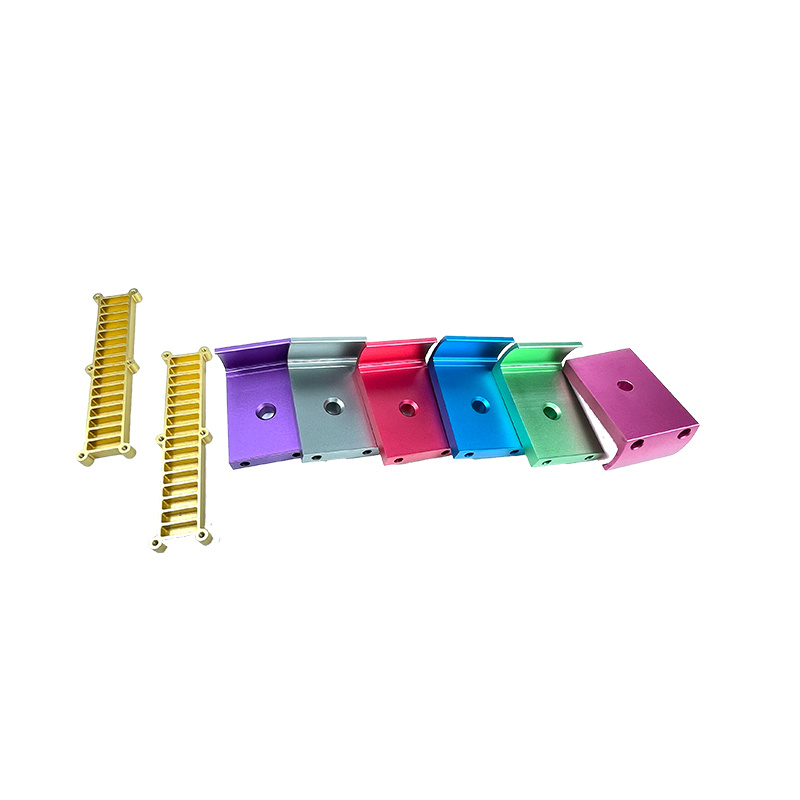
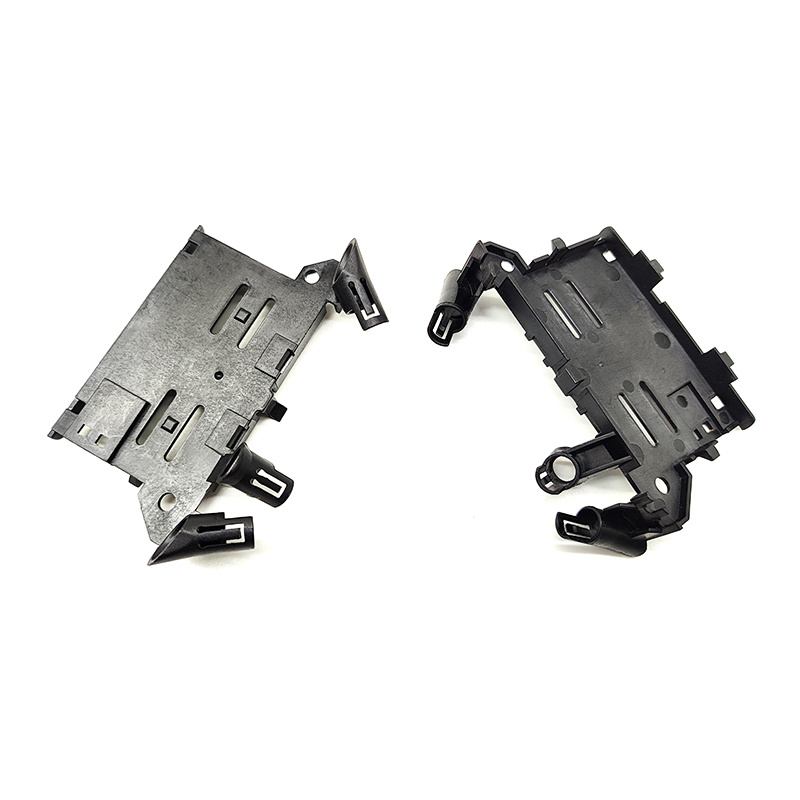
One of the standout features of rapid CNC machining is its versatility. It can work with a wide range of materials, including metals, plastics, and composites, making it suitable for diverse applications. From aerospace components to intricate medical devices, rapid CNC machining can produce high-quality, detailed parts that meet stringent standards. This adaptability is particularly beneficial for industries that require customized solutions or limited production runs.
Precision is another hallmark of rapid CNC machining. The technology allows for tight tolerances, ensuring that each part produced adheres to exact specifications. This level of accuracy is crucial in industries like automotive and aerospace, where even the smallest deviation can lead to significant issues down the line. With rapid CNC machining, manufacturers can achieve reproducibility in their products, reinforcing quality assurance and reducing the likelihood of defects.
Moreover, rapid CNC machining supports innovative design processes such as generative design and topology optimization. These advanced methods allow engineers to explore complex structures that were previously difficult or impossible to manufacture. By leveraging the capabilities of CNC machining, designers can push the boundaries of what is feasible, resulting in optimized performance and reduced material waste.
Furthermore, the integration of rapid CNC machining with other technologies, such as additive manufacturing and 3D printing, is on the rise. This combination enables the production of highly complex parts with enhanced functionality, catering to the demands of modern engineering challenges.
In conclusion, rapid CNC machining stands as a cornerstone of contemporary manufacturing, offering speed, precision, and versatility. As industries continue to evolve, embracing this technology will be essential for companies aiming to maintain a competitive edge. By understanding the capabilities and benefits of rapid CNC machining, professionals in the mechanical processing and hardware fabrication sectors can better navigate the future of manufacturing.
The essence of rapid CNC machining lies in its ability to reduce lead times significantly. Traditional manufacturing methods often require extensive tooling and setup time, which can slow down production. In contrast, rapid CNC machining utilizes digital designs and automated processes to streamline production, allowing manufacturers to create complex geometries quickly. This capability not only accelerates the prototyping phase but also enables shorter product development cycles, which is critical in industries where time-to-market plays a vital role.
One of the standout features of rapid CNC machining is its versatility. It can work with a wide range of materials, including metals, plastics, and composites, making it suitable for diverse applications. From aerospace components to intricate medical devices, rapid CNC machining can produce high-quality, detailed parts that meet stringent standards. This adaptability is particularly beneficial for industries that require customized solutions or limited production runs.
Precision is another hallmark of rapid CNC machining. The technology allows for tight tolerances, ensuring that each part produced adheres to exact specifications. This level of accuracy is crucial in industries like automotive and aerospace, where even the smallest deviation can lead to significant issues down the line. With rapid CNC machining, manufacturers can achieve reproducibility in their products, reinforcing quality assurance and reducing the likelihood of defects.
Moreover, rapid CNC machining supports innovative design processes such as generative design and topology optimization. These advanced methods allow engineers to explore complex structures that were previously difficult or impossible to manufacture. By leveraging the capabilities of CNC machining, designers can push the boundaries of what is feasible, resulting in optimized performance and reduced material waste.
Furthermore, the integration of rapid CNC machining with other technologies, such as additive manufacturing and 3D printing, is on the rise. This combination enables the production of highly complex parts with enhanced functionality, catering to the demands of modern engineering challenges.
In conclusion, rapid CNC machining stands as a cornerstone of contemporary manufacturing, offering speed, precision, and versatility. As industries continue to evolve, embracing this technology will be essential for companies aiming to maintain a competitive edge. By understanding the capabilities and benefits of rapid CNC machining, professionals in the mechanical processing and hardware fabrication sectors can better navigate the future of manufacturing.
rapid CNC machining
Related news

2024-11-15