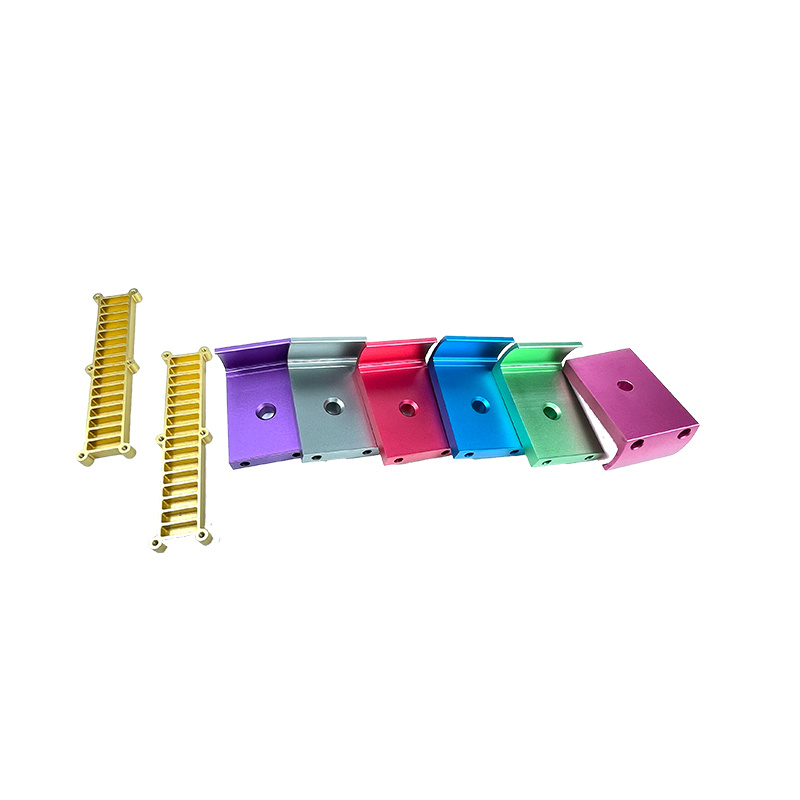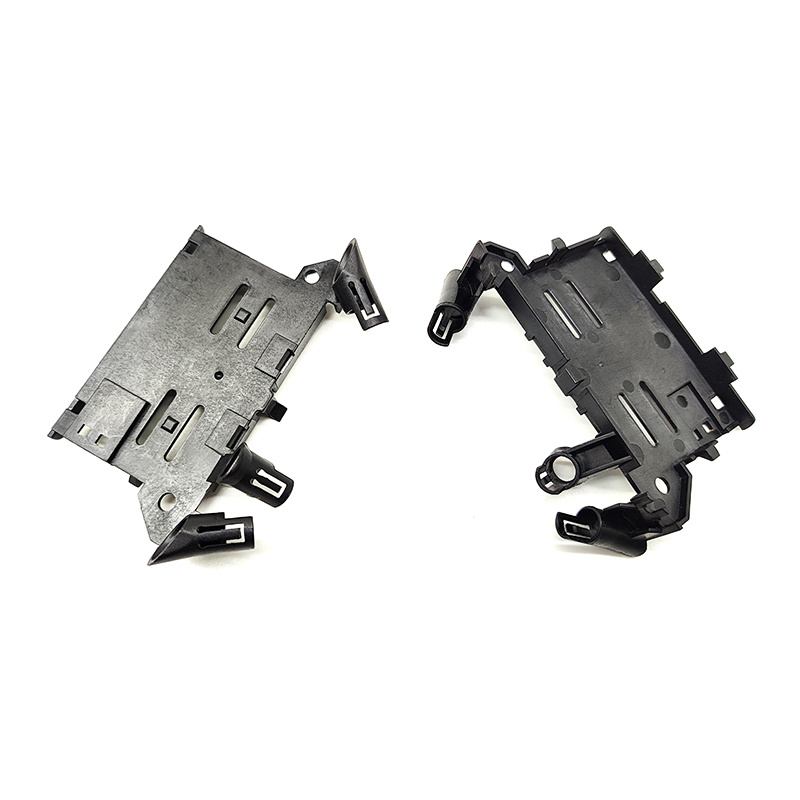

Unlocking Efficiency: The Benefits of Fast Injection Molding in Manufacturing
Time:
2025-02-12 12:00
Source:
Unlocking Efficiency: The Benefits of Fast Injection Molding in Manufacturing
Table of Contents
1. Understanding Fast Injection Molding
2. Key Benefits of Fast Injection Molding in Manufacturing
2.1 Increased Production Speed
2.2 Cost-Effectiveness
2.3 Enhanced Design Flexibility
2.4 Improved Product Quality
3. Applications of Fast Injection Molding
3.1 Automotive Industry
3.2 Consumer Goods
3.3 Medical Devices
4. The Fast Injection Molding Process Explained
4.1 Material Selection
4.2 Mold Design and Fabrication
4.3 Machine Setup
5. Challenges and Solutions in Fast Injection Molding
5.1 Overcoming Design Limitations
5.2 Managing Material Costs
5.3 Ensuring Consistency and Quality
6. Future Trends in Fast Injection Molding
7. Frequently Asked Questions (FAQs)
8. Conclusion
1. Understanding Fast Injection Molding
Fast injection molding is a manufacturing technique that streamlines the process of creating plastic components through the rapid injection of molten material into a mold. This method significantly reduces production times and enhances the overall efficiency of manufacturing operations. By utilizing advanced machinery and optimized processes, manufacturers can produce complex parts quickly and reliably.
2. Key Benefits of Fast Injection Molding in Manufacturing
The benefits of fast injection molding are numerous and impactful, making it a preferred choice for many industries.
2.1 Increased Production Speed
One of the most significant advantages of fast injection molding is the remarkable increase in production speed. Traditional molding methods can take hours or even days to produce a batch of parts. In contrast, fast injection molding can reduce this time to mere minutes, allowing manufacturers to meet tight deadlines and respond to market demands swiftly.
2.2 Cost-Effectiveness
With the rise of fast injection molding, manufacturers can achieve cost savings that directly impact their bottom line. The reduction in cycle times means less energy consumption and lower labor costs. Additionally, the ability to produce more parts in a shorter timeframe translates to increased revenue potential.
2.3 Enhanced Design Flexibility
Fast injection molding allows for greater design flexibility, enabling engineers to experiment with innovative shapes and complex geometries that may be difficult to achieve with traditional methods. This flexibility opens up new possibilities for product design and differentiation in competitive markets.
2.4 Improved Product Quality
The precision of fast injection molding technology ensures that each part produced maintains high quality and consistency. The controlled environment minimizes defects and variations, leading to enhanced product reliability and customer satisfaction.
3. Applications of Fast Injection Molding
Fast injection molding finds applications across various industries, each benefiting from its unique advantages.
3.1 Automotive Industry
In the automotive sector, fast injection molding facilitates the rapid production of components such as dashboard panels, interior trims, and housings. The lightweight and durable parts produced contribute to overall vehicle performance and efficiency.
3.2 Consumer Goods
Fast injection molding plays a crucial role in manufacturing consumer products, including packaging, toys, and home appliances. The ability to produce large volumes quickly allows companies to maintain inventory levels and meet consumer demand effectively.
3.3 Medical Devices
In the medical field, precision is paramount. Fast injection molding provides the accuracy and reliability required for medical devices such as syringes, surgical instruments, and diagnostic tools, ensuring that they meet stringent regulatory standards.
4. The Fast Injection Molding Process Explained
Understanding the fast injection molding process is essential for manufacturers looking to adopt this technology.
4.1 Material Selection
Choosing the right material is critical in fast injection molding. Options include thermoplastics, thermosetting plastics, and elastomers, each offering distinct properties for different applications. The selection impacts the performance, durability, and cost of the final product.
4.2 Mold Design and Fabrication
The design of molds used in fast injection molding is intricately linked to the speed and efficiency of the process. Advanced software and technologies allow for precise mold creation, reducing lead times and enabling rapid prototyping.
4.3 Machine Setup
Setting up the injection molding machine requires careful calibration to ensure optimal performance. Factors such as temperature, pressure, and cycle time must be meticulously monitored to achieve the desired results.
5. Challenges and Solutions in Fast Injection Molding
While fast injection molding offers numerous benefits, it is not without its challenges.
5.1 Overcoming Design Limitations
Complex designs can sometimes present challenges in mold creation. However, advancements in 3D printing and computer-aided design (CAD) tools are helping manufacturers overcome these limitations, allowing for more intricate designs without compromising speed.
5.2 Managing Material Costs
The cost of raw materials can fluctuate, impacting overall production expenses. Manufacturers must establish strategic partnerships with suppliers to secure favorable pricing while ensuring material quality.
5.3 Ensuring Consistency and Quality
Achieving consistency in production can be challenging, especially when scaling operations. Implementing rigorous quality control measures and automated monitoring systems can help maintain standards across batches.
6. Future Trends in Fast Injection Molding
The future of fast injection molding looks promising, with trends such as automation, sustainability, and advanced materials shaping the industry. Manufacturers are increasingly adopting smart technologies and eco-friendly practices to enhance efficiency and reduce environmental impact.
7. Frequently Asked Questions (FAQs)
What is fast injection molding?
Fast injection molding is a manufacturing process that rapidly injects molten plastic into a mold to produce parts quickly and efficiently.
What industries benefit most from fast injection molding?
Industries such as automotive, consumer goods, and medical devices significantly benefit from fast injection molding due to its speed and precision.
How does fast injection molding reduce production costs?
By decreasing cycle times and energy consumption, fast injection molding lowers labor and operational costs, resulting in overall cost savings.
Can fast injection molding accommodate complex designs?
Yes, advancements in mold design and fabrication technologies allow fast injection molding to handle complex shapes and geometries effectively.
What materials are typically used in fast injection molding?
Common materials include thermoplastics, thermosetting plastics, and elastomers, each chosen based on the specific application requirements.
8. Conclusion
Fast injection molding stands as a transformative technology within the manufacturing landscape, offering unparalleled benefits in speed, cost, and quality. As industries continue to evolve, embracing this innovative approach will be crucial for businesses aiming to enhance their competitive edge. By understanding and leveraging the advantages of fast injection molding, manufacturers can unlock a new level of efficiency, ultimately driving growth and success in an increasingly demanding marketplace.
fast injection molding
Related news
2024-11-15