
Accelerating Production: The Essentials of Rapid Tooling Injection Molding
Time:
2025-02-25 10:40
Source:
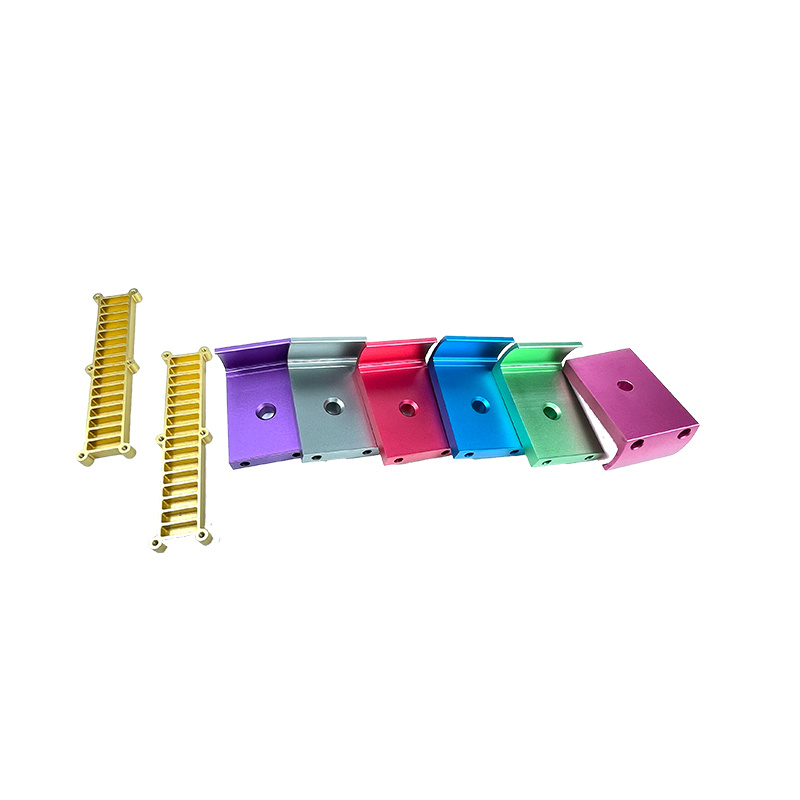
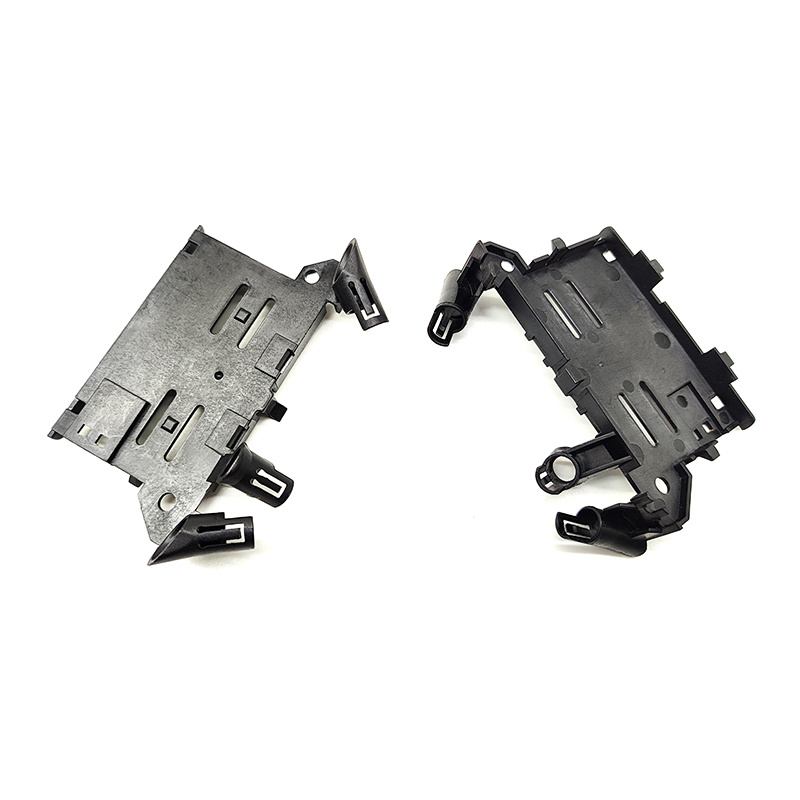
Rapid tooling injection molding is a pivotal innovation in the plastic manufacturing sector, particularly for industries focusing on efficient and cost-effective production methods. This technique involves the quick creation of molds used in the injection molding process, allowing manufacturers to produce high-quality plastic parts with reduced lead times. The essence of rapid tooling lies in its ability to streamline the mold-making process, which traditionally can be lengthy and costly.
One of the primary benefits of rapid tooling injection molding is its speed. By utilizing advanced technologies such as 3D printing and CNC machining, manufacturers can create molds in a fraction of the time it takes with conventional methods. This rapid production capability is particularly advantageous for businesses looking to bring products to market quickly, allowing for faster iterations and shorter product development cycles.
Moreover, rapid tooling is particularly beneficial for prototyping and small-batch production. It allows companies to test designs and materials efficiently before committing to full-scale production. This flexibility is crucial in today's fast-paced market where consumer preferences can change rapidly, and responsiveness can determine a product's success.
The quality of the parts produced through rapid tooling injection molding is another significant advantage. The precision of 3D printing and CNC machining techniques ensures that molds are created with high accuracy, resulting in consistently high-quality plastic components. This high level of quality control minimizes defects and reduces the need for costly rework or adjustments during the production process.
In addition to speed and quality, rapid tooling injection molding also offers cost savings. Traditional mold-making processes often require significant upfront investment in tooling, which can be a barrier for smaller manufacturers or startups. By reducing the time and materials required for mold production, rapid tooling allows for lower initial costs and makes it feasible for companies to experiment with new designs or products without substantial financial risk.
Furthermore, this method opens up possibilities for complex geometries and intricate designs that may be difficult to achieve with standard molds. The versatility of rapid tooling means that manufacturers can cater to a wider array of customer needs and preferences, allowing for customized solutions that enhance competitiveness in the market.
In summary, rapid tooling injection molding represents a transformative approach in the manufacturing of plastic parts, characterized by speed, quality, and cost-effectiveness. By leveraging modern technologies, businesses can enhance their production capabilities, reduce time to market, and better meet the demands of their customers. Embracing rapid tooling is not just a trend; it is a strategic move towards innovation and efficiency in the ever-evolving landscape of manufacturing.
One of the primary benefits of rapid tooling injection molding is its speed. By utilizing advanced technologies such as 3D printing and CNC machining, manufacturers can create molds in a fraction of the time it takes with conventional methods. This rapid production capability is particularly advantageous for businesses looking to bring products to market quickly, allowing for faster iterations and shorter product development cycles.
Moreover, rapid tooling is particularly beneficial for prototyping and small-batch production. It allows companies to test designs and materials efficiently before committing to full-scale production. This flexibility is crucial in today's fast-paced market where consumer preferences can change rapidly, and responsiveness can determine a product's success.
The quality of the parts produced through rapid tooling injection molding is another significant advantage. The precision of 3D printing and CNC machining techniques ensures that molds are created with high accuracy, resulting in consistently high-quality plastic components. This high level of quality control minimizes defects and reduces the need for costly rework or adjustments during the production process.
In addition to speed and quality, rapid tooling injection molding also offers cost savings. Traditional mold-making processes often require significant upfront investment in tooling, which can be a barrier for smaller manufacturers or startups. By reducing the time and materials required for mold production, rapid tooling allows for lower initial costs and makes it feasible for companies to experiment with new designs or products without substantial financial risk.
Furthermore, this method opens up possibilities for complex geometries and intricate designs that may be difficult to achieve with standard molds. The versatility of rapid tooling means that manufacturers can cater to a wider array of customer needs and preferences, allowing for customized solutions that enhance competitiveness in the market.
In summary, rapid tooling injection molding represents a transformative approach in the manufacturing of plastic parts, characterized by speed, quality, and cost-effectiveness. By leveraging modern technologies, businesses can enhance their production capabilities, reduce time to market, and better meet the demands of their customers. Embracing rapid tooling is not just a trend; it is a strategic move towards innovation and efficiency in the ever-evolving landscape of manufacturing.
rapid tooling injection molding
Related news
2024-11-15