Understanding Insert Molded Parts: A Comprehensive Guide for Professionals
Time:
2025-03-03 11:40
Source:
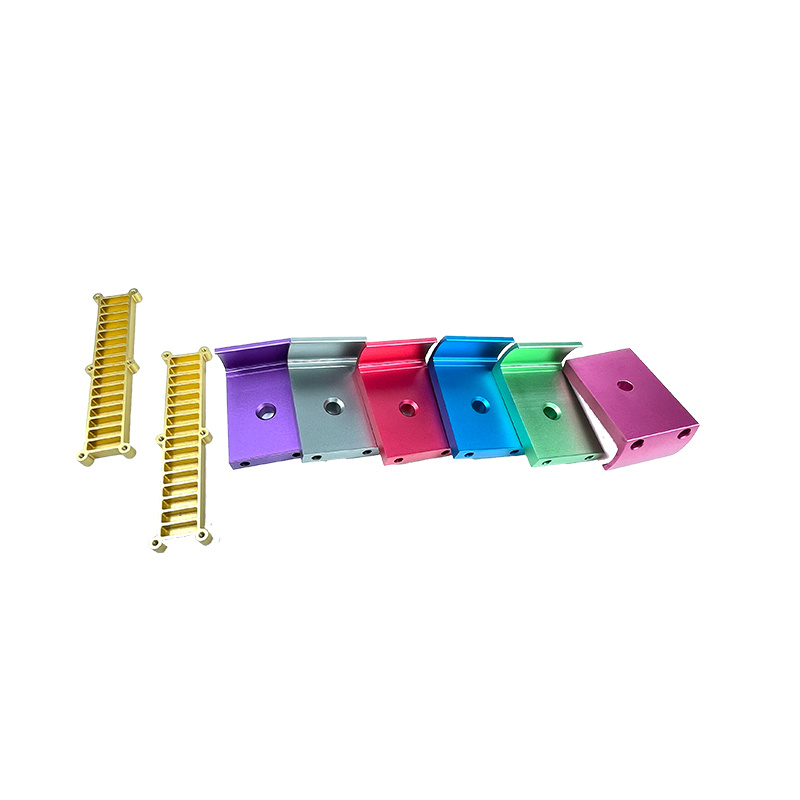
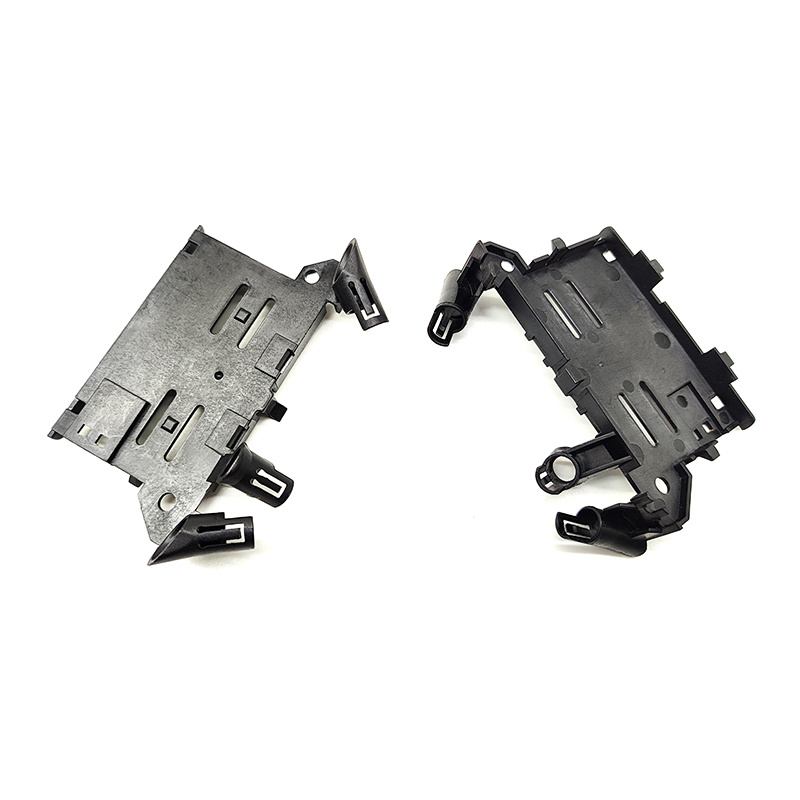
Insert molded parts combine the benefits of injection molding and the incorporation of additional components within a single manufacturing step. This process involves placing metal or other materials into a mold before injecting molten plastic around them. The result is a product that is not only structurally resilient but also optimally designed for functionality.
One significant advantage of insert molding is its ability to streamline production. By integrating multiple components into a single molded part, manufacturers can reduce assembly time and labor costs, leading to enhanced efficiency. This is particularly beneficial in industries where precision and quick turnaround times are essential. Additionally, the insert molding process minimizes the risk of defects associated with separate assembly, improving overall product quality.
The types of materials that can be used in insert molding are diverse, ranging from metals to various types of plastics. The choice of material often depends on the intended application of the molded part. For instance, in automotive or aerospace industries, where durability and heat resistance are crucial, metals such as aluminum or steel might be favored. Conversely, in consumer electronics, lightweight plastics can be advantageous.
Moreover, the design flexibility afforded by insert molded parts enhances their appeal. Manufacturers can create complex geometries and incorporate various functionalities within a single piece, ultimately leading to innovative product designs. This adaptability not only meets but often exceeds consumer expectations, allowing businesses to stand out in a competitive market.
However, there are considerations to keep in mind when opting for insert molding. Material compatibility is key; the chosen plastic must bond effectively with the insert material to ensure the integrity of the final product. Additionally, the mold design must accommodate the specific requirements of both the insert and the surrounding plastic, which may necessitate advanced engineering skills and expertise.
In conclusion, insert molded parts offer a unique and efficient solution for modern manufacturing challenges. By understanding the benefits and considerations associated with this technique, professionals can leverage insert molding to enhance product performance, reduce costs, and ultimately drive innovation within their industries. Embracing this approach not only positions manufacturing businesses for success but also fosters a culture of continuous improvement and adaptability in an ever-evolving market landscape.
One significant advantage of insert molding is its ability to streamline production. By integrating multiple components into a single molded part, manufacturers can reduce assembly time and labor costs, leading to enhanced efficiency. This is particularly beneficial in industries where precision and quick turnaround times are essential. Additionally, the insert molding process minimizes the risk of defects associated with separate assembly, improving overall product quality.
The types of materials that can be used in insert molding are diverse, ranging from metals to various types of plastics. The choice of material often depends on the intended application of the molded part. For instance, in automotive or aerospace industries, where durability and heat resistance are crucial, metals such as aluminum or steel might be favored. Conversely, in consumer electronics, lightweight plastics can be advantageous.
Moreover, the design flexibility afforded by insert molded parts enhances their appeal. Manufacturers can create complex geometries and incorporate various functionalities within a single piece, ultimately leading to innovative product designs. This adaptability not only meets but often exceeds consumer expectations, allowing businesses to stand out in a competitive market.
However, there are considerations to keep in mind when opting for insert molding. Material compatibility is key; the chosen plastic must bond effectively with the insert material to ensure the integrity of the final product. Additionally, the mold design must accommodate the specific requirements of both the insert and the surrounding plastic, which may necessitate advanced engineering skills and expertise.
In conclusion, insert molded parts offer a unique and efficient solution for modern manufacturing challenges. By understanding the benefits and considerations associated with this technique, professionals can leverage insert molding to enhance product performance, reduce costs, and ultimately drive innovation within their industries. Embracing this approach not only positions manufacturing businesses for success but also fosters a culture of continuous improvement and adaptability in an ever-evolving market landscape.
insert molded parts
Related news
2024-11-15