Understanding Low Volume Injection Molding: A Comprehensive Guide
Time:
2025-10-10 10:50
Source:
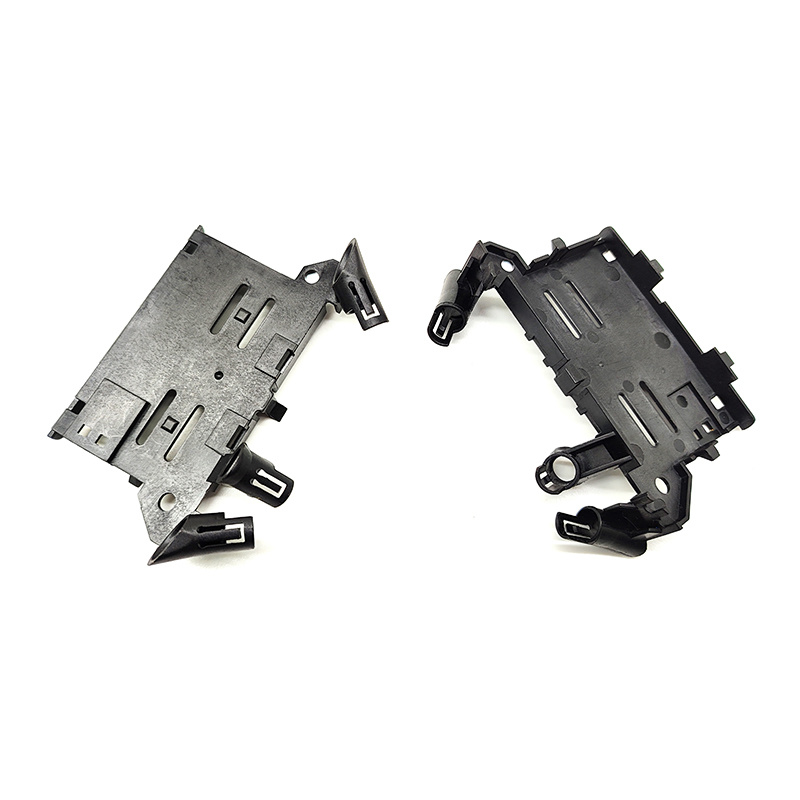
Low volume injection molding is a specialized manufacturing process designed for producing small quantities of plastic parts. Unlike traditional injection molding, which typically caters to large-scale production runs, low volume injection molding focuses on creating limited batches of parts, making it an ideal choice for various applications in the manufacturing sector.
One of the primary advantages of low volume injection molding is its cost-effectiveness for small production runs. Traditional injection molding requires significant upfront investment in tooling and setup, making it less feasible for projects that only require a limited quantity of products. With low volume injection molding, manufacturers can produce parts at a fraction of the cost, significantly reducing the financial burden for new product development or prototyping.
The process of low volume injection molding involves creating a mold, which is then used to inject molten plastic into the desired shapes. This technique allows for high precision and repeatability, ensuring that each part produced maintains consistent quality. Additionally, the molds used in low volume injection molding can be made from various materials, including aluminum and steel, which can further influence production costs and lead times.
Low volume injection molding is particularly beneficial for industries that require rapid prototyping or testing of new designs. For companies looking to launch new products, the ability to produce small batches can expedite the development cycle, allowing for quicker iterations based on feedback and testing. This flexibility is crucial in today’s fast-paced market, where consumer preferences can shift rapidly.
Moreover, this technique is suitable for various applications, including automotive components, medical devices, consumer goods, and electronics. Manufacturers can also explore different materials, such as thermoplastics and elastomers, to achieve specific performance characteristics tailored to their needs.
Another noteworthy aspect of low volume injection molding is its environmentally friendly potential. By producing only the necessary quantities of parts, manufacturers can minimize waste and reduce overproduction. Additionally, advancements in material technologies have led to the development of biodegradable plastics, enabling manufacturers to offer more sustainable product options.
In conclusion, low volume injection molding stands out as a versatile and economically viable solution for manufacturers looking to develop and produce small quantities of parts. Its advantages in cost, speed, and flexibility make it an excellent choice for various industries, facilitating innovation and adaptability in an ever-evolving market landscape. By understanding the ins and outs of this process, businesses can make informed decisions that align with their production goals and sustainability efforts.
low volume injection molding
Related news
2024-11-15