The Essentials of CNC Machining: A Comprehensive Guide for Manufacturers
Time:
2024-10-30 10:00
Source:
CNC machining, or Computer Numerical Control machining, has transformed the landscape of the manufacturing industry by enabling high-precision machining processes through automation. This technology utilizes computer systems to control machine tools, allowing for intricate designs and consistent quality across various applications. In this guide, we will explore the key aspects of CNC machining, its benefits, and its applications in the manufacturing sector.
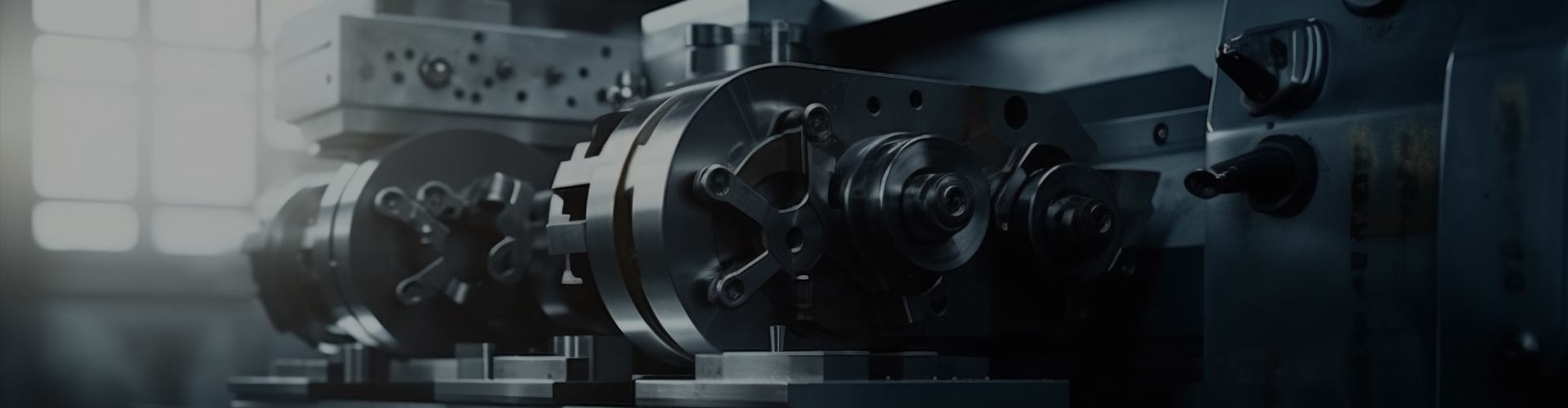
At its core, CNC machining involves the use of a computer to program and control the movement of machine tools such as lathes, mills, and routers. This not only increases the speed and accuracy of the machining process but also allows for the production of complex geometries that would be difficult or impossible to achieve with manual machining methods. The ability to produce high-quality parts consistently makes CNC machining an essential component in modern manufacturing.
One of the primary advantages of CNC machining is its precision. Traditional machining methods can introduce human error, leading to variations in part dimensions and quality. CNC machines, on the other hand, operate based on programmed instructions, which significantly reduces the likelihood of errors and ensures that each part meets stringent specifications. This precision is particularly crucial in industries where tolerance levels are critical, such as aerospace, automotive, and medical device manufacturing.
Additionally, CNC machining offers increased efficiency. With the ability to run unattended for extended periods, CNC machines can produce a high volume of parts without the need for constant operator supervision. This not only maximizes productivity but also allows manufacturers to allocate human resources to more strategic tasks, improving overall operational efficiency.
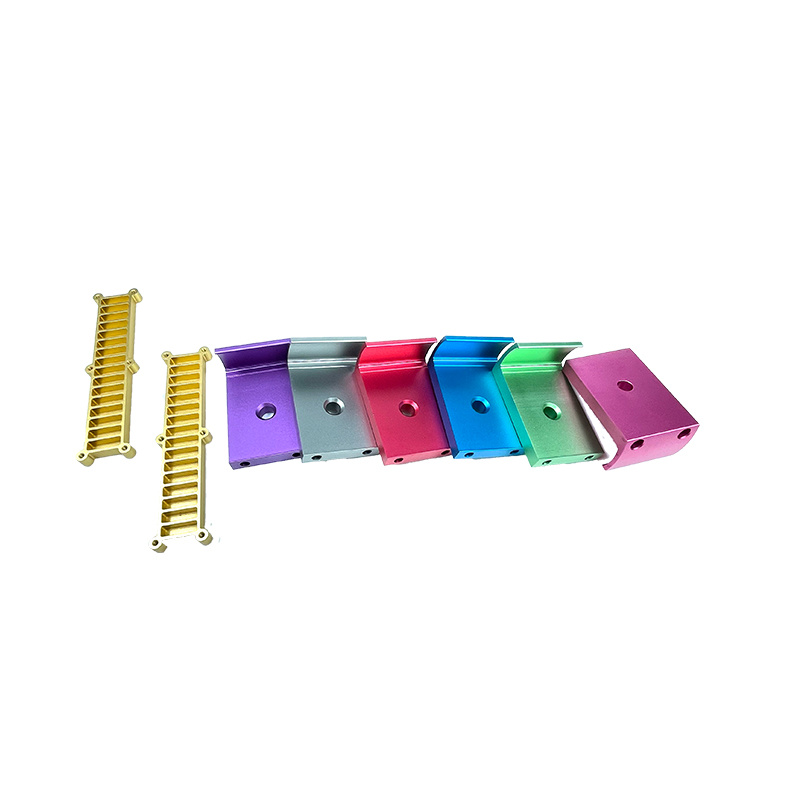
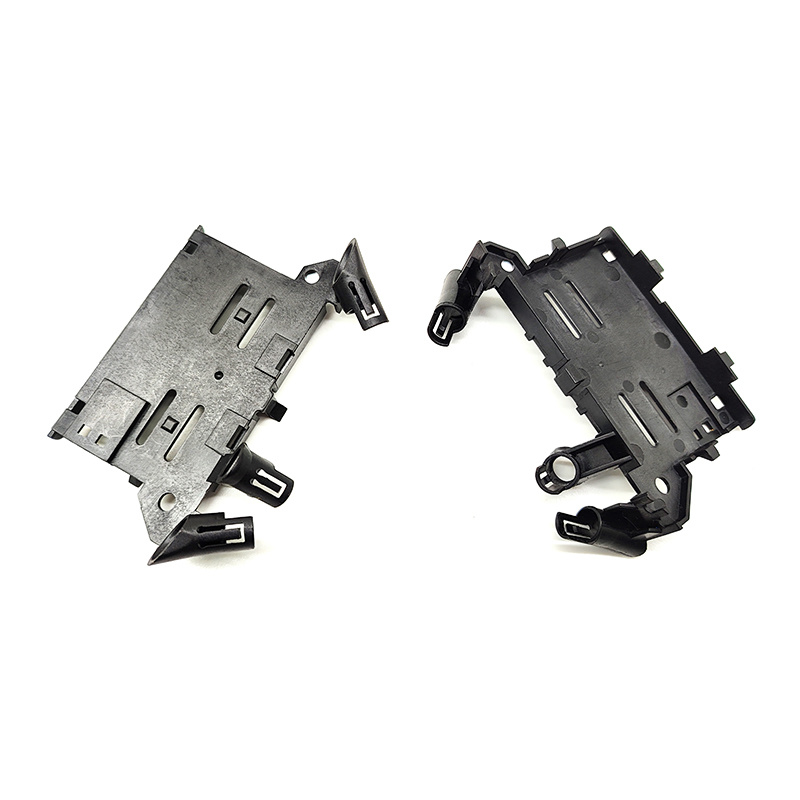
CNC machining is versatile and can work with various materials, including metals, plastics, and composites. This adaptability allows manufacturers to utilize CNC machining for diverse projects, from simple parts to complex assemblies. Industries often leverage CNC machining for prototyping, custom parts manufacturing, and even mass production, making it an invaluable tool in the manufacturing arsenal.
Moreover, CNC machining can significantly reduce waste material through precise cutting techniques. By optimizing the machining process and ensuring accurate material removal, manufacturers can save costs and minimize their environmental impact. This sustainability aspect is becoming increasingly important in today's manufacturing landscape, where efficiency and environmental responsibility go hand in hand.
In conclusion, CNC machining is a vital process in the manufacturing industry, providing unmatched precision, efficiency, and versatility. By embracing this technology, manufacturers can enhance their production capabilities, reduce waste, and meet the growing demands for high-quality components across various sectors. If you're considering implementing CNC machining into your operations, understanding its benefits and applications will be essential to leveraging its full potential.
CNC machining
Related news
2024-11-15