The Essential Guide to Die-Casting Parts in Manufacturing
Time:
2024-09-10 12:00
Source:
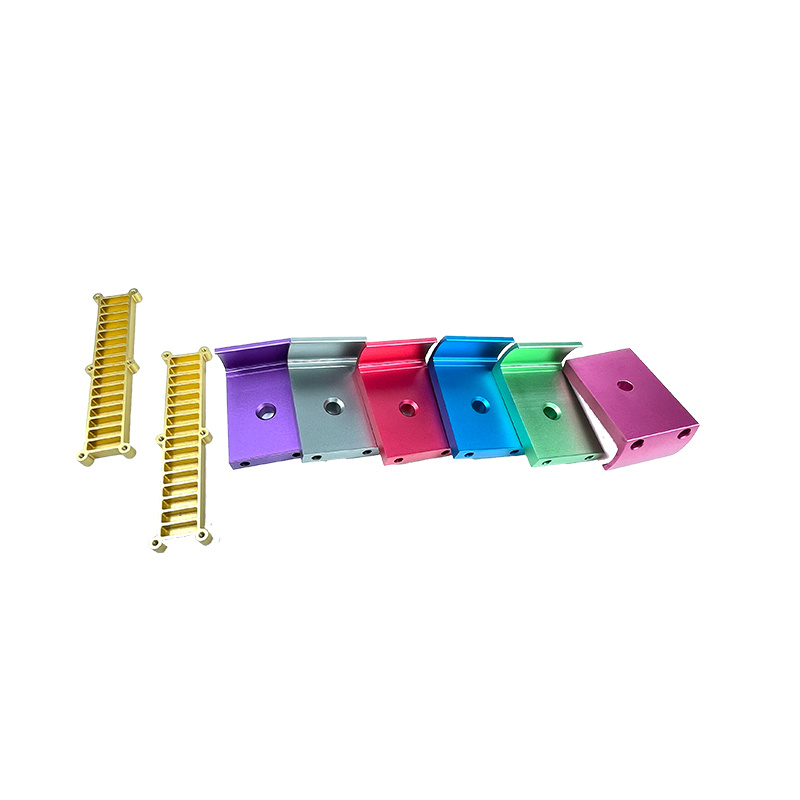
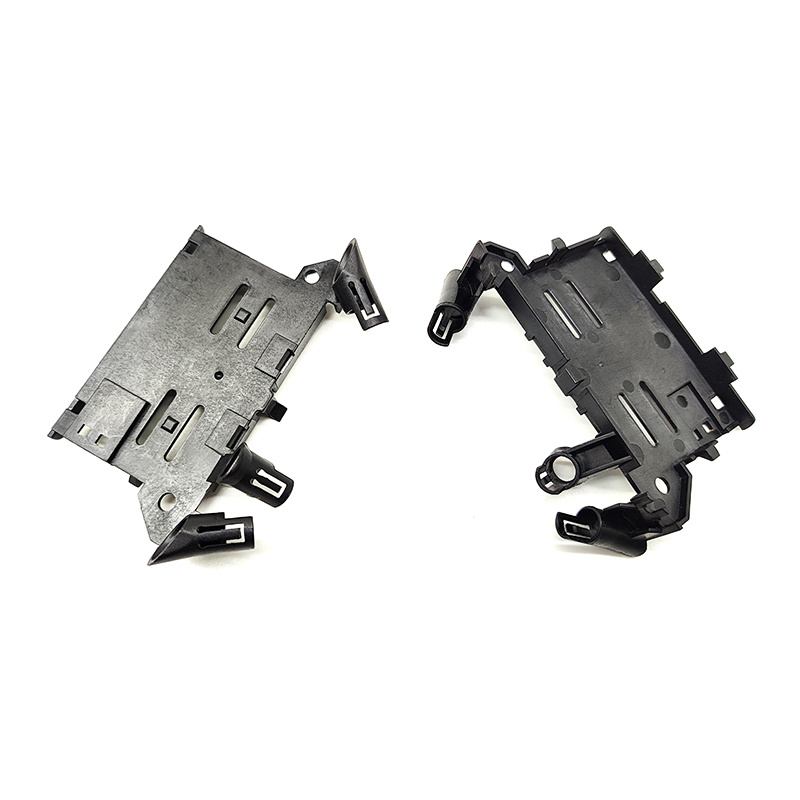
Die-casting is a highly efficient manufacturing process used to produce metal parts with intricate shapes and high dimensional accuracy. The die-casting process involves forcing molten metal into a mold cavity under high pressure, allowing for the creation of complex geometries that would be difficult or uneconomical to achieve using traditional machining methods. This technique is widely utilized in the production of a variety of die-casting parts, serving various industries, including automotive, aerospace, and consumer goods.
One of the primary advantages of die-casting parts is their excellent surface finish and dimensional stability. The high pressure applied during the die-casting process ensures that the molten metal fills the mold completely, resulting in a smooth surface that often requires little to no secondary finishing work. Furthermore, the precision of die-casting allows for tighter tolerances, which can enhance the overall quality and performance of the final product.
Die-casting parts can be manufactured from various metals, including aluminum, zinc, and magnesium. Each metal offers unique properties, making them suitable for different applications. For instance, aluminum die-casting parts are lightweight yet strong, making them ideal for automotive components. On the other hand, zinc die-casting parts are known for their excellent corrosion resistance and are often used in consumer electronics and household products.
The die-casting process is also highly efficient, enabling mass production of die-casting parts. Once the initial mold is created, it can be used to produce thousands of identical components in a short period. This scalability makes die-casting an attractive option for manufacturers looking to meet high-volume production demands.
In addition to the efficiency and precision of die-casting parts, the process also offers the advantage of design flexibility. Engineers can create complex designs that optimize the part's functionality while minimizing material usage. This capability not only reduces production costs but also contributes to sustainability by decreasing waste.
However, it is essential to consider the limitations of die-casting, such as the initial cost of mold creation and potential design restrictions based on the mold's geometry. Therefore, thorough planning and design optimization are crucial in determining whether die-casting is the right manufacturing process for a specific project.
In conclusion, die-casting parts play a vital role in the manufacturing and machining industry. With their combination of precision, efficiency, and design versatility, they represent an essential component in modern production processes. As industries continue to evolve and demand higher quality and more complex components, the relevance of die-casting parts is likely to grow, solidifying their place in the manufacturing landscape.
One of the primary advantages of die-casting parts is their excellent surface finish and dimensional stability. The high pressure applied during the die-casting process ensures that the molten metal fills the mold completely, resulting in a smooth surface that often requires little to no secondary finishing work. Furthermore, the precision of die-casting allows for tighter tolerances, which can enhance the overall quality and performance of the final product.
Die-casting parts can be manufactured from various metals, including aluminum, zinc, and magnesium. Each metal offers unique properties, making them suitable for different applications. For instance, aluminum die-casting parts are lightweight yet strong, making them ideal for automotive components. On the other hand, zinc die-casting parts are known for their excellent corrosion resistance and are often used in consumer electronics and household products.
The die-casting process is also highly efficient, enabling mass production of die-casting parts. Once the initial mold is created, it can be used to produce thousands of identical components in a short period. This scalability makes die-casting an attractive option for manufacturers looking to meet high-volume production demands.
In addition to the efficiency and precision of die-casting parts, the process also offers the advantage of design flexibility. Engineers can create complex designs that optimize the part's functionality while minimizing material usage. This capability not only reduces production costs but also contributes to sustainability by decreasing waste.
However, it is essential to consider the limitations of die-casting, such as the initial cost of mold creation and potential design restrictions based on the mold's geometry. Therefore, thorough planning and design optimization are crucial in determining whether die-casting is the right manufacturing process for a specific project.
In conclusion, die-casting parts play a vital role in the manufacturing and machining industry. With their combination of precision, efficiency, and design versatility, they represent an essential component in modern production processes. As industries continue to evolve and demand higher quality and more complex components, the relevance of die-casting parts is likely to grow, solidifying their place in the manufacturing landscape.
Die-casting-parts
Related news
2024-11-15