The Role of High-Volume Parts in Manufacturing
Time:
2024-09-07 11:00
Source:
In competitive landscape, the manufacturing industry is under constant pressure to improve efficiency while reducing costs. One significant approach to achieving these goals is through the use of **high-volume parts**. These components not only streamline production processes but also play a crucial role in enhancing overall productivity and quality. Understanding how high-volume parts can unlock efficiency is vital for manufacturers looking to optimize their operations.
Defining High-Volume Parts
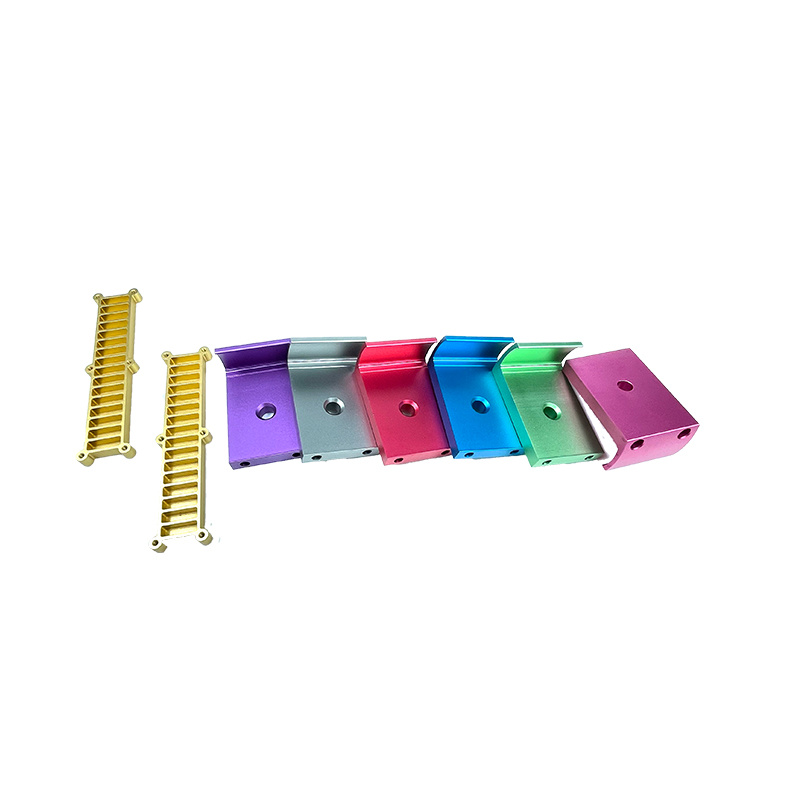
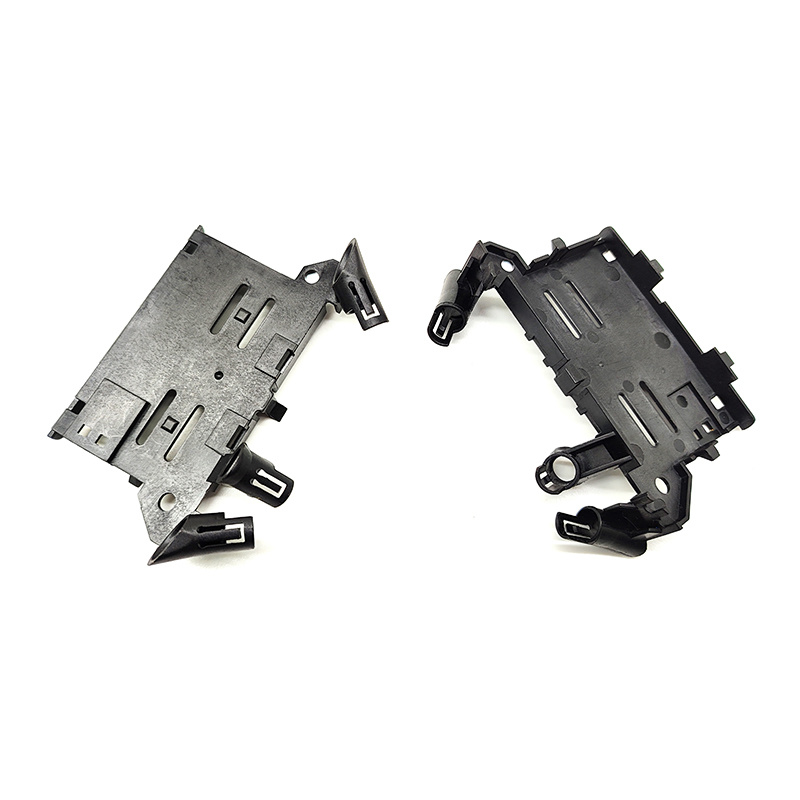
**High-volume parts** refer to components that are produced in large quantities, typically using automated manufacturing processes. These parts are characterized by their standardization, which allows for quick replication and assembly. Common examples include fasteners, brackets, and casing components used in various industries, from automotive to electronics. The focus on high-volume production enables manufacturers to meet market demands rapidly while maintaining consistency in quality.
The Importance of High-Volume Parts in Modern Manufacturing
The significance of high-volume parts in the manufacturing sector cannot be overstated. As industries evolve, the demand for rapid production cycles and customized solutions grows. High-volume parts serve as the backbone of many manufacturing processes, enabling companies to scale operations while meeting stringent quality standards and customer expectations.
Benefits of Utilizing High-Volume Parts
The integration of high-volume parts into manufacturing processes offers numerous advantages:
4.1 Cost Efficiency
By producing parts in large quantities, manufacturers can significantly reduce the cost per unit. This cost efficiency arises from economies of scale, where the fixed costs of production are spread over a larger number of units. Additionally, the use of automated machinery in high-volume production can further minimize labor costs.
4.2 Time Savings
High-volume parts can be produced faster than custom or low-volume components. The streamlined processes involved in high-volume manufacturing lead to shorter lead times and quicker turnaround for products. This acceleration is crucial in industries where time-to-market is a competitive factor.
4.3 Quality Assurance
Standardization in high-volume parts production allows for rigorous quality control measures. Since these components are manufactured under controlled conditions, the risk of defects is minimized. Consistent quality not only enhances product reliability but also fosters customer trust and satisfaction.
Challenges in Implementing High-Volume Parts
While the benefits of high-volume parts are significant, manufacturers may encounter challenges during their implementation.
5.1 Supply Chain Management
Effective management of the supply chain is crucial for ensuring a steady flow of materials and components required for high-volume production. Disruptions in the supply chain can lead to delays and increased costs. Manufacturers must establish strong relationships with suppliers and invest in supply chain technologies to mitigate these risks.
5.2 Equipment Limitations
Not all manufacturing facilities are equipped to handle high-volume production. The initial investment in specialized machinery and technology can be substantial. Manufacturers must carefully evaluate their equipment capabilities and, if necessary, upgrade or acquire new machinery to facilitate high-volume production.
Best Practices for Implementing High-Volume Parts
To harness the full potential of high-volume parts, manufacturers should adopt best practices:
6.1 Design and Engineering Considerations
Effective design plays a pivotal role in the successful production of high-volume parts. Engineers should focus on simplifying designs to reduce complexity and enhance manufacturability. Utilizing design for manufacturability (DFM) principles can lead to improved production efficiency and lower costs.
6.2 Collaboration with Suppliers
Collaboration with suppliers is essential for ensuring the availability of quality materials for high-volume parts. Establishing strong partnerships can lead to better pricing, consistent supply, and shared innovation in product development. Regular communication and feedback can help align goals and improve overall production processes.
Case Studies: Successful Implementation of High-Volume Parts
Examining real-world examples can provide valuable insights into the implementation of high-volume parts.
**Case Study 1: Automotive Industry**
An automotive manufacturer faced challenges with long lead times and high production costs. By shifting to high-volume parts for components like brackets and fasteners, they were able to reduce production time by 30% and cut costs by 20%. This transition not only improved profitability but also allowed for quicker responses to market demands.
**Case Study 2: Electronics Manufacturing**
A leading electronics firm revamped its production line to incorporate high-volume parts in assembling circuit boards. This change alleviated bottlenecks and reduced defects, resulting in a 25% increase in overall efficiency. The company also benefited from enhanced product quality, leading to higher customer satisfaction ratings.
Conclusion
The adoption of high-volume parts in manufacturing plays a transformative role in enhancing efficiency and productivity. By understanding the benefits, challenges, and best practices associated with high-volume production, manufacturers can unlock new levels of operational excellence. As industries continue to evolve, embracing high-volume parts will be crucial for staying competitive and meeting the dynamic demands of the market.
High-volume-parts
Related news
2024-11-15