Unleashing Innovation of Rapid Prototyping in CNC Machining
Time:
2024-09-04 13:00
Source:
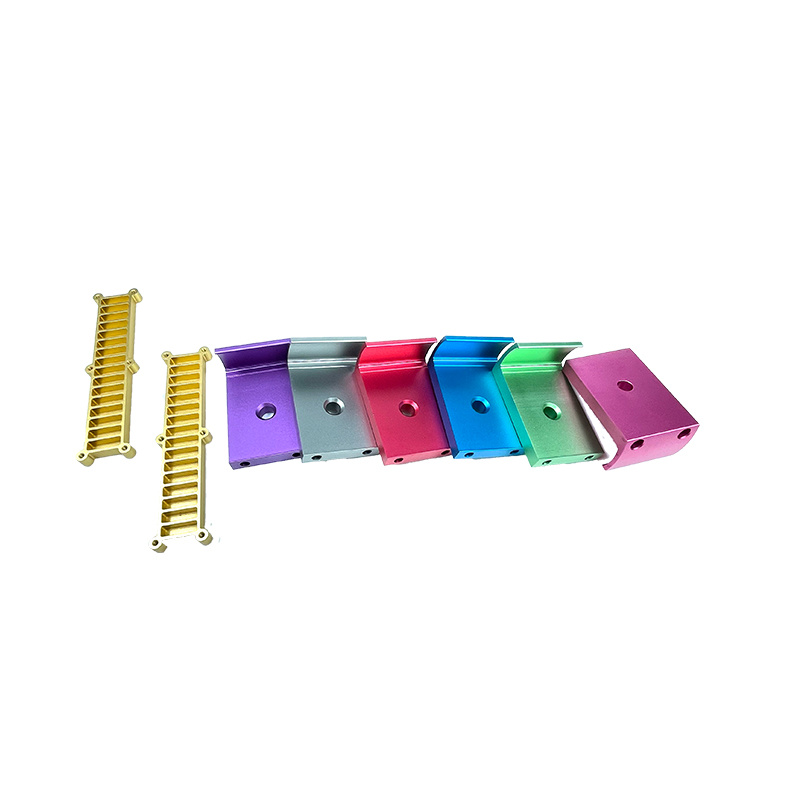
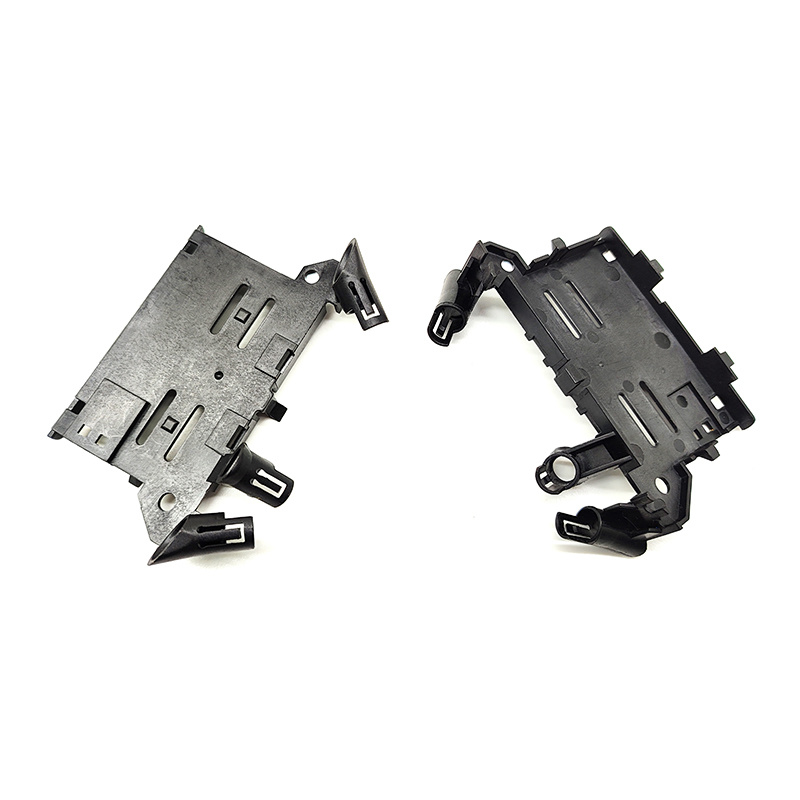
In the world of manufacturing, the ability to quickly and accurately create prototypes is paramount. Rapid prototyping CNC machining is a game-changer that allows manufacturers to develop and test their designs swiftly, reducing time-to-market and ensuring precision.
**What is Rapid Prototyping?**
Rapid prototyping refers to the fast fabrication of a physical part or assembly using 3D CAD (Computer-Aided Design) data. This technique enables manufacturers to create prototypes in a matter of hours or days, rather than weeks or months, which is often the case with traditional manufacturing methods. The CNC machining process plays a pivotal role in this innovation, as it allows for the high-precision cutting and shaping of materials based on digital designs.
**The CNC Machining Process**
CNC machining involves the use of computer-controlled machines to perform a variety of manufacturing operations. These machines can mill, turn, grind, and drill materials with incredible accuracy, which is essential for producing detailed prototypes. The process begins with a 3D model created in CAD software, which is then converted into a format that the CNC machine can read. The machine follows the programmed instructions to cut and shape the material into the desired form, ensuring a high level of consistency and repeatability.
**Benefits of Rapid Prototyping in CNC Machining**
1. **Speed**: One of the most significant advantages of rapid prototyping is the speed at which designs can be turned into tangible products. This accelerated timeline allows companies to iterate on designs quickly, making changes based on testing and feedback without the lengthy delays often associated with traditional methods.
2. **Cost-Effectiveness**: By reducing the time and resources required for prototyping, CNC machining can lead to significant cost savings. Manufacturers can produce small batches of prototypes without the high upfront costs typically associated with mass production.
3. **Precision and Detail**: CNC machining is known for its unparalleled accuracy. This precision means that prototypes can closely mimic the final product, allowing for more effective testing and validation of design concepts.
4. **Material Versatility**: CNC machines can work with a wide range of materials, including metals, plastics, and composites. This versatility allows manufacturers to choose the best material for their prototypes based on functional requirements and aesthetic appeal.
5. **Facilitation of Complex Designs**: The flexibility of CNC machining enables the production of intricate designs that may be challenging to achieve using traditional methods. This capability opens up new possibilities for innovation in product development.
In conclusion, rapid prototyping through CNC machining is revolutionizing the way manufacturers approach product development. By leveraging the speed, precision, and versatility of CNC technology, companies can enhance their innovation processes, respond to market demands more swiftly, and ultimately deliver higher-quality products to their customers. Embracing this advanced manufacturing approach is not just a trend; it is a strategic move towards efficiency and excellence in the competitive landscape of modern manufacturing.
rapid prototyping CNC machining
Previous Page
Related news
2024-11-15