Comparing Die Casting Parts with Other Manufacturing Methods: A Comprehensive Guide
Time:
2024-09-01 11:20
Source:
Understanding Die Casting and Its Applications
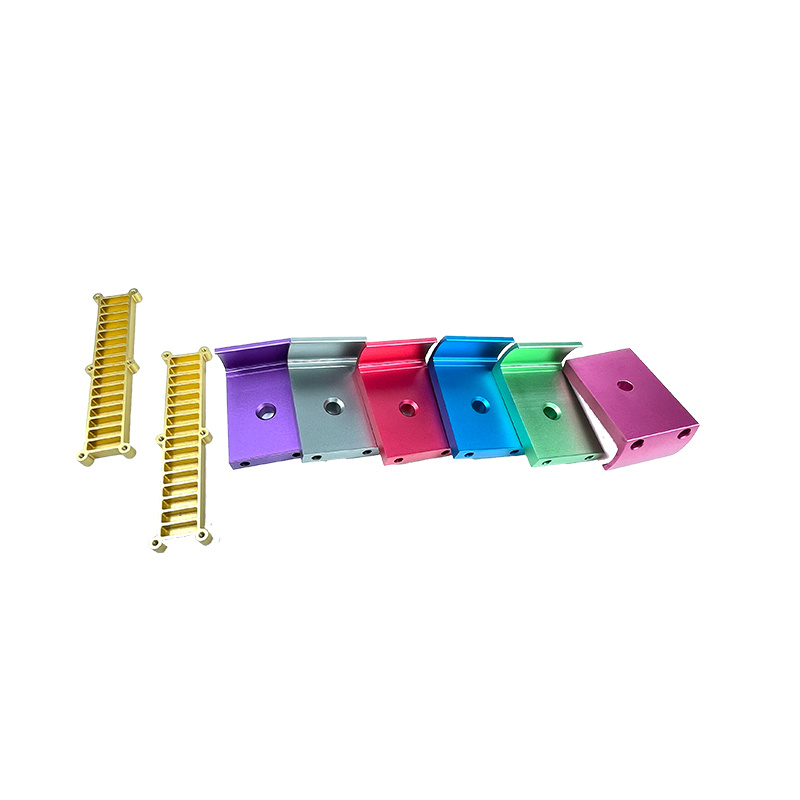
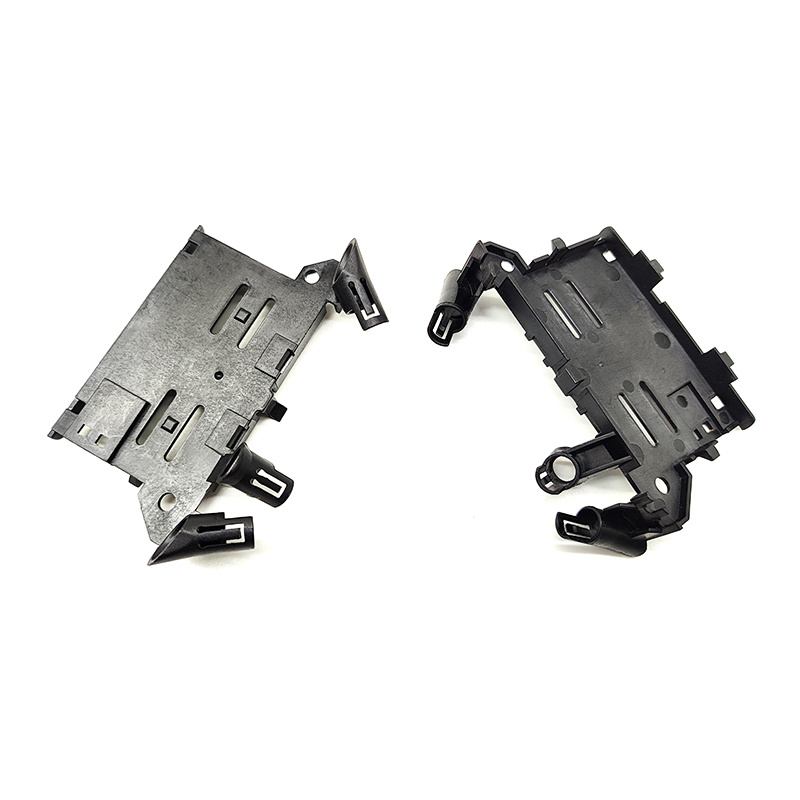
Die casting is a highly efficient manufacturing process that involves forcing molten metal into a mold under high pressure. This technique results in precision parts with excellent surface finishes and dimensional accuracy. Common materials used in die casting include aluminum, zinc, and magnesium.
Key Benefits of Die Casting
1. **High Precision and Accuracy**: Die casting produces parts with tight tolerances, making it ideal for applications requiring detailed specifications.
2. **Superior Surface Finish**: The process results in smooth surfaces, often requiring minimal machining post-production.
3. **Rapid Production Rates**: Die casting is capable of high-volume production, significantly reducing manufacturing lead times.
4. **Material Efficiency**: The method minimizes waste, making it a cost-effective choice for producing large quantities of parts.
Common Applications of Die Casting
Die casting is widely used across various industries, including automotive, aerospace, electronics, and consumer goods. Some common applications include:
- Engine components
- Housings for electronic devices
- Medical device parts
- Automotive parts like transmission cases and structural components
Exploring Other Manufacturing Methods
While die casting offers numerous advantages, other manufacturing methods also have their strengths. We will examine three key alternatives: machining, injection molding, and forging.
Machining: A Detailed Overview
**Machining** involves the removal of material from a solid block to create a desired shape. This process includes methods such as milling, turning, and grinding.
Advantages of Machining
- **Versatility**: Machining can work with a variety of materials and allows for intricate designs.
- **High Tolerance Levels**: It can achieve extremely tight tolerances, making it suitable for precision components.
Disadvantages of Machining
- **Higher Material Waste**: Unlike die casting, machining often leads to greater waste as material is removed.
- **Longer Lead Times**: The process can be slower, especially for complex parts, affecting overall production time.
Injection Molding: An Efficient Alternative
**Injection molding** is a manufacturing process where molten material, usually plastic, is injected into a mold.
Key Benefits of Injection Molding
- **Cost-Effectiveness for Large Volumes**: Once the mold is created, producing large quantities becomes economical.
- **Complex Geometries**: Injection molding allows for intricate designs that would be challenging with other methods.
Drawbacks of Injection Molding
- **Longer Setup Times**: The initial cost and time to create molds can be significant.
- **Material Limitations**: Primarily used for plastics, which may not be suitable for all applications.
Forging: A Traditional Method of Manufacturing
**Forging** involves shaping metal using compressive forces. This method can be performed hot or cold and is known for producing parts with enhanced mechanical properties.
Benefits of Forging
- **Strength and Durability**: Forged parts typically exhibit superior strength and fatigue resistance.
- **Material Efficiency**: Similar to die casting, forging reduces waste compared to machining.
Challenges Associated with Forging
- **Limited Complexity**: Forged parts may have design limitations, which can restrict certain applications.
- **Higher Initial Costs**: The machinery and setup can be more expensive compared to other methods.
The Comparison of Die Casting with Other Methods
To draw a comparative analysis, let’s evaluate die casting alongside machining, injection molding, and forging based on several critical factors.
1. Production Speed
Die casting excels in speed, particularly for large production runs. Machining can be time-consuming, especially for complex designs, while injection molding is efficient but slower in mold creation. Forging can vary based on the complexity of the part but generally offers good production speeds.
2. Cost Analysis
- **Die Casting**: Initial tooling costs can be high, but the cost per unit decreases significantly with volume.
- **Machining**: Higher costs associated with material waste and longer processing times.
- **Injection Molding**: Economically viable for large runs, but costly upfront for mold creation.
- **Forging**: Higher initial setup costs, but excellent cost efficiency in high-volume production.
3. Material Compatibility
Die casting is suitable for non-ferrous metals, while machining can work with a broader range of materials, including metals and plastics. Injection molding is primarily for plastics, and forging is generally limited to metals, particularly steels and alloys.
4. Tolerances and Surface Finish
Die casting offers superior surface finish and tight tolerances, often requiring little to no post-processing. Machining can achieve even tighter tolerances but at the cost of a rougher surface that may require additional finishing. Injection molding produces good surface finishes but may face challenges in achieving certain tolerances. Forged parts can have excellent mechanical properties but may require further machining for fine finishes.
Choosing the Right Method for Your Application
When deciding between die casting and other manufacturing methods, consider the following factors:
1. Production Volume
If you require high-volume production with consistent quality, die casting is a strong candidate. For smaller batches or custom parts, machining may be more appropriate.
2. Complexity of Design
For intricate and complex designs, injection molding or machining may provide the necessary flexibility. For simpler designs, die casting or forging could be suitable.
3. Material Considerations
Select the method based on the material requirements of your project. If you need non-ferrous metals, die casting is ideal, while forging is best for ferrous materials.
4. Budget Constraints
Consider your budget for both initial setup and ongoing production costs. If upfront costs are a concern, machining or injection molding for lower volumes could be beneficial.
FAQs About Die Casting and Other Manufacturing Methods
1. What are the main advantages of die casting over other methods?
Die casting offers high precision, excellent surface finishes, rapid production rates, and material efficiency, making it suitable for high-volume applications.
2. Can die casting be used for ferrous materials?
Die casting is primarily used for non-ferrous metals like aluminum and zinc. For ferrous materials, forging or machining is typically recommended.
3. How does die casting compare in terms of environmental impact?
Die casting is generally more material-efficient, resulting in less waste compared to machining, but the environmental impact can vary based on the processes used and materials involved.
4. What factors influence the cost of die casting?
The cost of die casting is influenced by factors such as mold design, material choice, production volume, and any required post-processing.
5. Is die casting suitable for prototyping?
Die casting is typically not used for prototyping due to the high costs associated with mold creation. Other methods, such as 3D printing or machining, may be more suitable for prototyping.
Conclusion
In conclusion, selecting the right manufacturing method is crucial for the success of any project. Die casting stands out for its precision, cost-effectiveness in high-volume production, and superior surface finishes. However, understanding the strengths and limitations of alternative methods like machining, injection molding, and forging is vital for making an informed decision. By evaluating factors such as production volume, material compatibility, and budget, manufacturers can choose the best process that aligns with their specific needs and project requirements.
Die casting parts
Related news
2024-11-15