Understanding CNC Machining Parts: A Comprehensive Guide for the Manufacturing Industry
Time:
2024-08-29 11:21
Source:
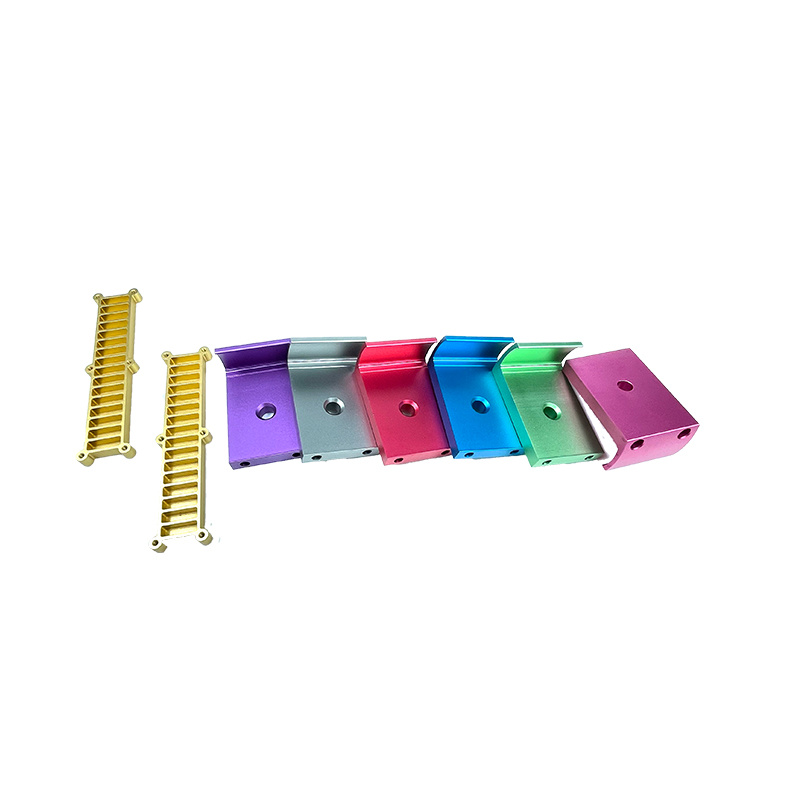
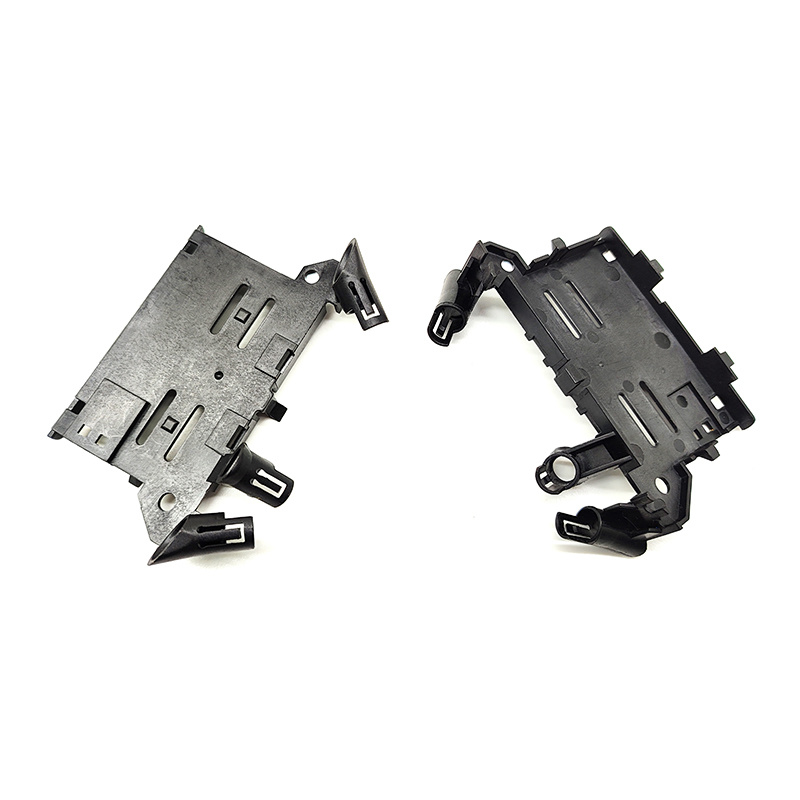
CNC machining parts are a vital component in the manufacturing industry, particularly in the field of mechanical hardware processing and component fabrication. This advanced technology utilizes computer systems to control machine tools, allowing for the creation of highly precise and intricate parts from various materials, including metals, plastics, and composites.
One of the primary advantages of CNC machining parts is their ability to produce complex shapes and designs that would be nearly impossible to achieve through traditional machining methods. The process involves a programmed sequence of operations that dictate the movement of the machine tools, ensuring accuracy to tolerances as tight as a few microns. This level of precision is essential in industries such as aerospace, automotive, and medical devices, where even the smallest deviation can lead to significant issues.
CNC machining is also highly efficient. Unlike manual machining, where an operator must continuously monitor and adjust the machine, CNC machines can operate autonomously, reducing the likelihood of human error and increasing productivity. Once the initial setup is complete, multiple parts can be produced with minimal supervision, allowing for large-scale production without compromising quality.
Moreover, CNC machining parts are customizable. This flexibility enables manufacturers to produce a wide array of components tailored to specific requirements. Whether it's a prototype or a large batch for mass production, CNC machining can accommodate varying quantities and design modifications with relative ease. This adaptability makes it an attractive option for businesses looking to optimize their production processes.
In addition to precision and efficiency, CNC machining offers enhanced repeatability. Once a design is programmed into the CNC machine, it can reproduce the same part countless times without variation. This consistency is particularly beneficial for industries where parts need to meet strict regulatory standards or where uniformity is crucial for assembly.
The materials used in CNC machining parts are diverse. Machine operators can work with various metals, such as aluminum, stainless steel, and titanium, as well as plastics and composites. Each material has its unique properties, which can affect the machining process and the final product's characteristics. Understanding these materials is essential for selecting the right one for a specific application.
In conclusion, CNC machining parts play a critical role in modern manufacturing. Their precision, efficiency, and adaptability make them indispensable in producing high-quality components across various industries. As technology continues to evolve, the capabilities of CNC machining are expected to expand further, opening new possibilities for innovation in mechanical hardware processing and component manufacturing. Embracing CNC technology can lead to significant advancements in production practices, ensuring businesses stay competitive in a rapidly changing market.
CNC machining parts
Related news
2024-11-15