Understanding the Advantages of Injection-Molded Parts in Modern Manufacturing
Time:
2024-08-26 14:00
Source:
Understanding the Advantages of Injection-Molded Parts in Modern Manufacturing
Table of Contents
- 1. Introduction to Injection Molding
- 2. Key Benefits of Injection-Molded Parts
- 2.1 Cost-Effectiveness in Production
- 2.2 Precision and Consistency
- 2.3 Design Flexibility and Complexity
- 2.4 Diverse Material Choices
- 2.5 Environmental Sustainability
- 3. Applications of Injection-Molded Parts
- 4. The Injection Molding Process Explained
- 5. Challenges and Considerations in Injection Molding
- 6. The Future of Injection Molded Parts in Manufacturing
- 7. Frequently Asked Questions (FAQs)
- 8. Conclusion
1. Introduction to Injection Molding
Injection molding is a manufacturing process that involves the creation of parts by injecting molten material into a mold. This process is highly efficient and allows for the production of complex shapes with excellent precision. It has become a cornerstone of modern manufacturing, particularly in industries where high-volume production and tight tolerances are essential. The ability to produce intricate designs while maintaining consistency makes injection molding a favored choice among manufacturers.
2. Key Benefits of Injection-Molded Parts
2.1 Cost-Effectiveness in Production
One of the most significant advantages of injection-molded parts is **cost-effectiveness**. The initial setup costs for molds can be high; however, the cost per unit decreases dramatically with high-volume production. As manufacturers produce thousands or millions of parts, the cost of each individual piece becomes negligible. Furthermore, the efficiency of the injection molding process often leads to reduced labor costs and faster production times compared to other methods.
2.2 Precision and Consistency
**Precision** is crucial in manufacturing, particularly in applications requiring strict tolerances. Injection molding allows for incredibly **consistent** parts, with variations often kept within ±0.01mm. This level of accuracy ensures that parts fit together seamlessly, which is especially vital in industries like automotive and aerospace. The repeatability of the injection molding process guarantees that every part produced meets the same high standards, reducing waste and the need for extensive quality control measures.
2.3 Design Flexibility and Complexity
The design freedom offered by injection molding is remarkable. **Design flexibility** allows engineers to create complex geometries that would be impossible to achieve with other manufacturing techniques. Features like undercuts, intricate patterns, and even multi-component assemblies can be integrated into a single injection-molded part, dramatically simplifying assembly processes and reducing material waste.
2.4 Diverse Material Choices
Injection molding supports a **wide variety of materials**, including thermoplastics, thermosetting plastics, elastomers, and metals. This diversity enables manufacturers to select the most suitable material for their specific application, balancing factors like strength, weight, and cost. The ability to choose from such a broad range of materials enhances the performance and durability of the final products, making injection-molded parts ideal for many sectors.
2.5 Environmental Sustainability
In an era where sustainability is paramount, injection molding stands out as an environmentally friendly manufacturing option. The process generates less waste compared to traditional methods, as excess material can often be recycled back into the production cycle. Additionally, many injection-molded materials are recyclable themselves, making it easier for companies to meet green manufacturing goals and reduce their carbon footprint.
3. Applications of Injection-Molded Parts
Injection-molded parts find applications across a variety of industries. Their versatility and cost-effectiveness make them a preferred choice in many manufacturing scenarios.
3.1 Automotive Industry
In the automotive sector, injection-molded components are used in everything from dashboards to fuel tanks. They contribute to lighter vehicle designs, enhancing fuel efficiency without compromising safety or performance. With the rise of electric vehicles, the demand for customized, lightweight parts continues to grow, further solidifying injection molding's role in the industry.
3.2 Electronics Manufacturing
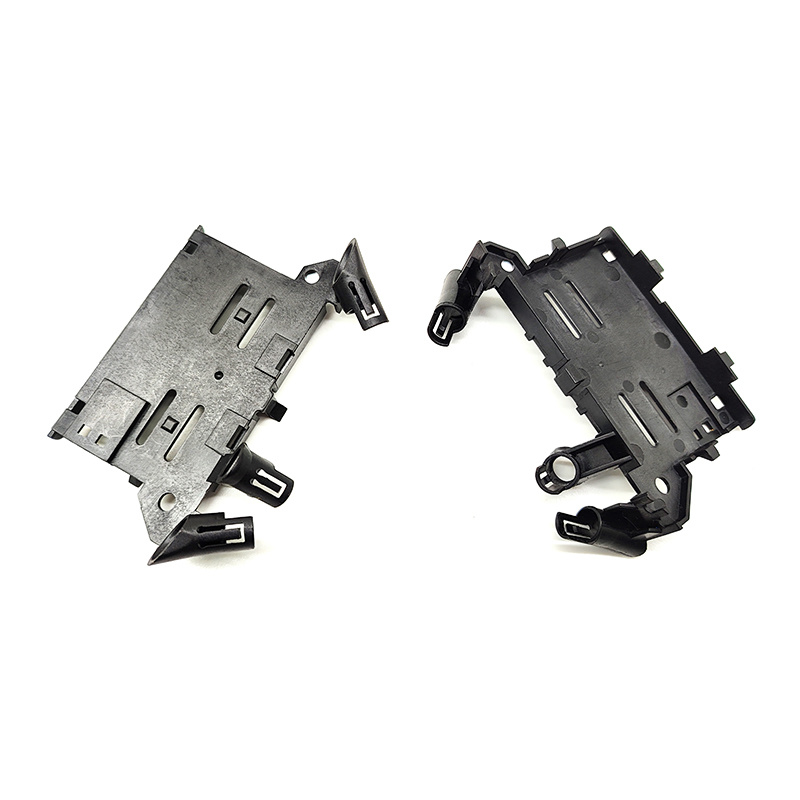
The electronics industry relies heavily on injection-molded parts for housings, connectors, and casings. The need for **compact design** and **aesthetic appeal** makes injection molding an ideal choice. The precision offered by injection molding ensures that electronic components fit perfectly, leading to improved performance and reliability.
3.3 Medical Devices
Injection molding plays a crucial role in the production of medical devices. From syringes to surgical instruments, the need for hygiene, precision, and consistency in these products is paramount. Injection-molded parts are designed to meet stringent regulatory standards, ensuring safety and efficacy in medical applications.
3.4 Consumer Products
Consumer goods, ranging from kitchen utensils to toys, benefit greatly from injection molding. The ability to produce high-quality, aesthetically pleasing products at scale is a significant advantage. Moreover, manufacturers can quickly adapt designs to meet changing consumer preferences, further enhancing their market competitiveness.
4. The Injection Molding Process Explained
The injection molding process consists of several key steps:
1. **Material Preparation**: The raw material, typically in pellet form, is fed into a heated barrel where it is melted to a liquid state.
2. **Injection**: The molten material is injected into a mold cavity under high pressure.
3. **Cooling**: The material is allowed to cool and solidify within the mold, taking its shape.
4. **Ejection**: Once cooled, the mold opens, and the finished part is ejected.
5. **Finishing**: Depending on the application, parts may undergo additional finishing processes such as trimming, coating, or assembly.
This process allows for rapid production cycles, with some machines capable of producing parts in mere seconds.
5. Challenges and Considerations in Injection Molding
While injection molding offers many benefits, there are also challenges that manufacturers must consider:
- **Initial Setup Costs**: The cost of creating molds can be substantial, making injection molding less viable for small production runs.
- **Material Limitations**: Not all materials can be easily processed by injection molding, which may restrict design choices.
- **Production Time for Molds**: The time required to design and manufacture molds can delay the production timeline.
Despite these challenges, the advantages often outweigh the drawbacks, especially for high-volume production.
6. The Future of Injection Molded Parts in Manufacturing
As technology advances, the future of injection molding looks promising. Innovations such as **3D printing** and **smart materials** are beginning to merge with traditional injection molding processes. These developments could lead to even greater efficiencies, reduced production times, and enhanced design capabilities. Additionally, as industries increasingly focus on sustainability, the push for more environmentally friendly materials and processes will likely shape the future of injection molding.
7. Frequently Asked Questions (FAQs)
What is injection molding?
Injection molding is a manufacturing process that involves injecting molten material into a mold to create parts with precise shapes and dimensions.
What materials are commonly used in injection molding?
Common materials include thermoplastics, thermosetting plastics, and elastomers, with varying properties suitable for different applications.
What are the main advantages of injection molding?
Key advantages include cost-effectiveness, precision, design flexibility, diverse material choices, and environmental sustainability.
How long does it take to produce an injection-molded part?
The production cycle can vary, but some parts can be produced in just a few seconds once the mold is created.
What are the limitations of injection molding?
Limitations include high initial mold costs, material restrictions, and the time required to produce molds.
8. Conclusion
Injection-molded parts have become an integral component of modern manufacturing, offering a range of benefits that enhance production efficiency, precision, and design flexibility. As industries continue to evolve, the importance of injection molding in producing high-quality parts will only grow. By understanding the advantages and applications of injection-molded components, manufacturers can leverage this technology to improve their processes and stay competitive in a rapidly changing market.
Injection-mold
Related news
2024-11-15