Unleashing Innovation: Advanced Techniques in Plastic Parts Production
Time:
2024-07-15 08:00
Source:
The Evolution of Plastic Parts Production
Plastic parts production has come a long way since its inception. From traditional injection molding to 3D printing, the industry has seen significant advancements in technology and techniques. Companies are now able to produce complex shapes, intricate designs, and custom parts with precision and speed, thanks to these innovations.
Injection Molding
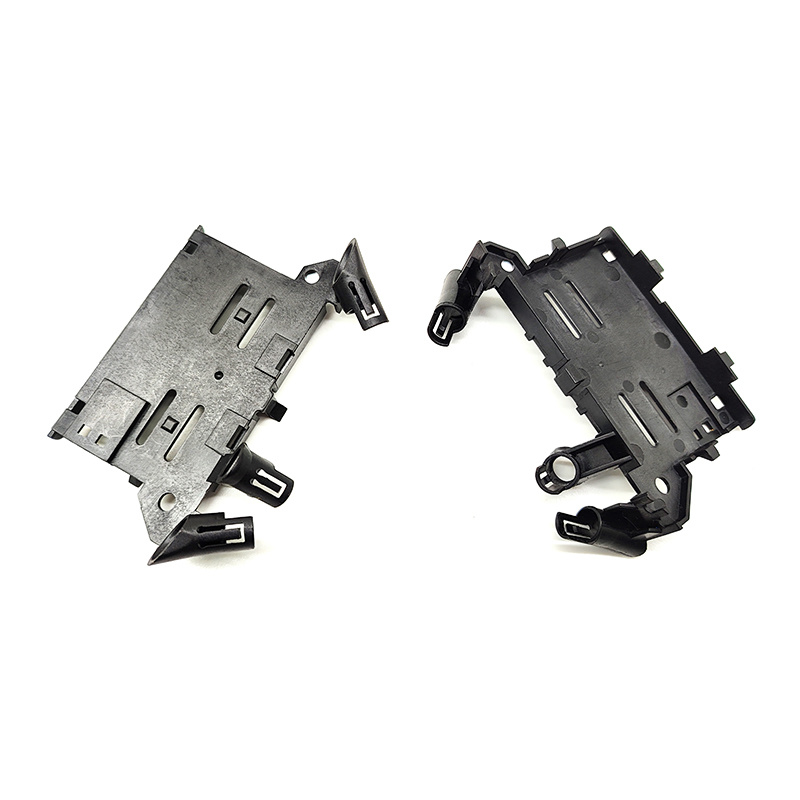
Injection molding is one of the most common methods used in plastic parts production. This process involves injecting molten plastic into a mold cavity, where it cools and solidifies to form the desired shape. With advancements in mold design, material selection, and automation, companies can now produce high-quality plastic parts in large volumes with minimal waste.
Additive Manufacturing (3D Printing)
Additive manufacturing, commonly known as 3D printing, is another revolutionary technique in plastic parts production. This process involves building up layers of material to create a three-dimensional object. 3D printing allows for rapid prototyping, customization, and intricate designs that would be difficult or impossible to achieve with traditional manufacturing methods.
Sustainable Materials and Processes
As environmental concerns continue to rise, the plastic parts production industry is shifting towards more sustainable materials and processes. Companies are exploring biodegradable plastics, recycled materials, and energy-efficient manufacturing practices to reduce their carbon footprint and minimize waste. By adopting these sustainable practices, manufacturers can meet consumer demands for eco-friendly products while also reducing costs and improving efficiency.
Emerging Technologies in Plastic Parts Production
In addition to traditional techniques, several emerging technologies are shaping the future of plastic parts production. These technologies are pushing the boundaries of what is possible in terms of design, performance, and efficiency.
Robotics and Automation
Robotics and automation are revolutionizing the manufacturing industry, including plastic parts production. Automated systems can perform repetitive tasks with precision and speed, resulting in higher productivity and lower costs. By integrating robotics into their production processes, companies can streamline operations, improve quality control, and increase output.
Advanced Materials and Composites
Advancements in materials science are opening up new possibilities for plastic parts production. Companies are now able to create high-performance plastics, composites, and hybrid materials that offer superior strength, durability, and resistance to heat and chemicals. These advanced materials are revolutionizing industries such as aerospace, automotive, and medical devices, where precision and reliability are paramount.
Digital Twin Technology
Digital twin technology is a cutting-edge tool that is revolutionizing the way products are designed, tested, and manufactured. By creating a virtual replica of a physical product or process, companies can simulate and optimize production workflows, identify potential issues, and make informed decisions before manufacturing begins. Digital twin technology is helping manufacturers reduce time to market, improve product quality, and enhance overall efficiency.
Conclusion
The world of plastic-parts production is evolving rapidly, thanks to advancements in technology, materials, and processes. Companies that embrace innovation and adopt advanced techniques are setting themselves apart in the competitive market and positioning themselves for long-term success. By staying ahead of the curve and continuously exploring new possibilities, manufacturers can unleash their full potential and lead the way in the ever-changing landscape of plastic parts production.
Plastic-parts
Related news
2024-11-15