
Understanding Rapid Tooling: Revolutionizing Manufacturing Processes
Time:
2024-09-20 12:20
Source:
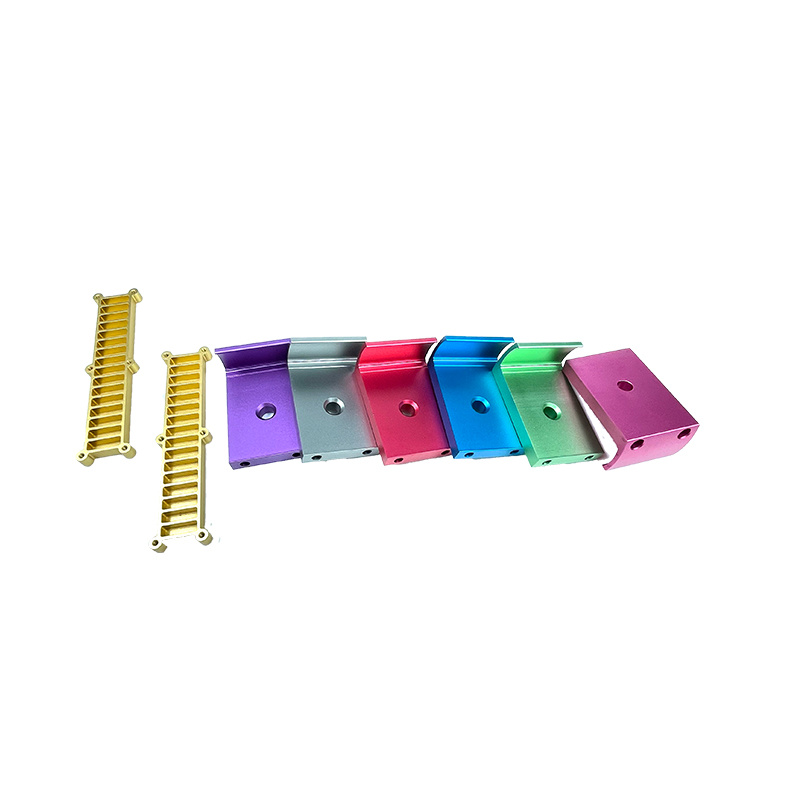
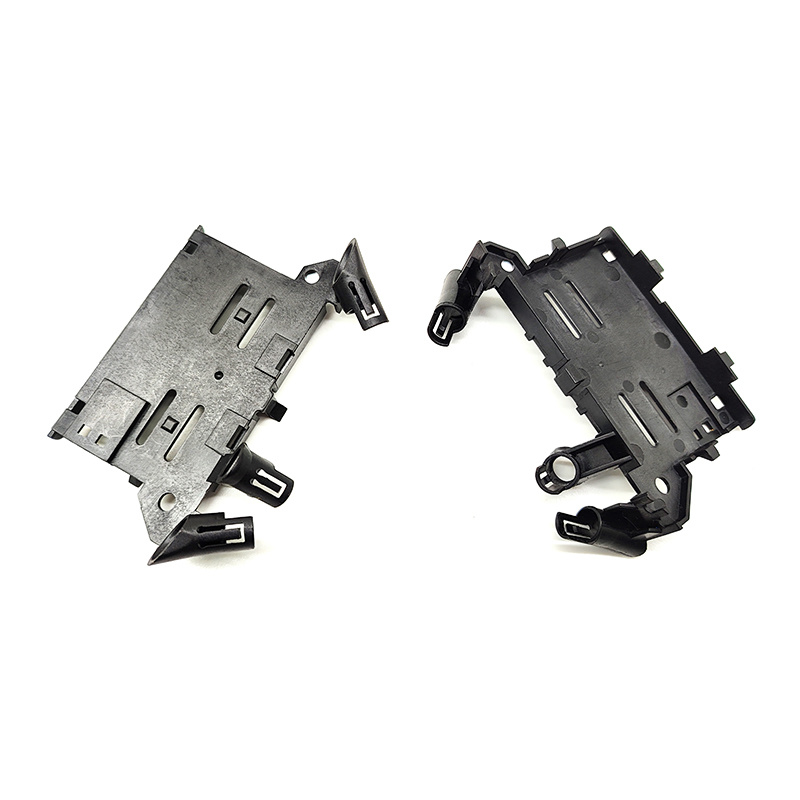
Rapid tooling refers to the accelerated process of creating tooling components through advanced manufacturing techniques. In the realm of mechanical hardware processing and mold fabrication, rapid tooling has emerged as a game-changer, significantly reducing lead times and enhancing overall production efficiency. Unlike traditional tooling methods, which can be time-consuming and costly, rapid tooling leverages technologies like 3D printing, CNC machining, and other innovative approaches to quickly produce molds and dies that meet specific design parameters.
One of the primary advantages of rapid tooling is its ability to shorten the design-to-production timeline. In industries where time-to-market is crucial, the ability to quickly prototype and refine tooling can provide a significant competitive edge. By utilizing rapid tooling, manufacturers can quickly iterate on designs, making necessary adjustments based on testing and feedback. This iterative process not only speeds up development but also leads to higher-quality end products, as any potential design flaws can be addressed early on.
Another key benefit of rapid tooling is its versatility. It can be employed for a wide range of applications, from producing intricate molds for plastic injection to creating specialized tooling for machining processes. As a result, businesses can tailor their tooling solutions to meet the specific demands of various projects, making rapid tooling an essential component of modern manufacturing strategies.
Moreover, the cost-effectiveness of rapid tooling cannot be overlooked. Traditional tooling often requires substantial investment in materials and labor, particularly when producing complex designs. In contrast, rapid tooling minimizes these costs by reducing material waste and optimizing production processes. This efficiency can lead to significant savings, allowing companies to allocate resources more effectively.
Rapid tooling also supports customization in manufacturing. As consumer demands shift towards personalized products, having the capability to rapidly produce customized tooling allows manufacturers to cater to niche markets without extensive retooling or delays. This adaptability not only enhances customer satisfaction but also positions companies to respond quickly to market trends.
In conclusion, rapid tooling is revolutionizing the manufacturing and mold processing landscapes by offering faster, more cost-effective, and adaptable solutions. By embracing rapid tooling techniques, businesses in the mechanical hardware processing sector can enhance their operational efficiency, reduce time to market, and ultimately improve product quality. As technology continues to evolve, the importance of rapid tooling in maintaining a competitive edge will only grow.
Rapid tooling
Related news
2024-11-15