
Unlocking Efficiency: The Advantages of Rapid Mould Technology in Plastic Manufacturing
Time:
2024-09-21 11:00
Source:
Unlocking Efficiency: The Advantages of Rapid Mould Technology in Plastic Manufacturing
Table of Contents
- Introduction to Rapid Mould Technology
- Importance of Efficiency in Plastic Manufacturing
- What is Rapid Mould Technology?
- Benefits of Rapid Mould Technology in Plastic Manufacturing
- Time-Saving Advantages
- Cost Reduction and Financial Impact
- Quality Improvement through Precision
- Enhanced Design Flexibility
- Sustainability and Environmental Benefits
- Applications of Rapid Mould Technology
- Challenges and Considerations in Implementing Rapid Mould
- The Future of Rapid Mould Technology in Plastic Manufacturing
- Conclusion
- Frequently Asked Questions
Introduction to Rapid Mould Technology
In the fast-paced world of plastic manufacturing, efficiency is a critical factor that drives competitiveness. As manufacturers aim to meet the growing demand for innovative and high-quality products, **rapid mould technology** has emerged as a game-changing solution. This technology facilitates quicker turnaround times, fosters creativity in design, and significantly reduces production costs, making it essential for companies looking to enhance their operational efficiency.
Importance of Efficiency in Plastic Manufacturing
Efficiency in plastic manufacturing is not just about faster production times; it encompasses a holistic approach that includes **cost management**, **quality control**, and **sustainability**. As businesses face increasing pressure to deliver high-quality products while minimizing expenses, the role of advanced technologies like rapid moulding becomes even more paramount. By understanding the vital importance of efficiency, manufacturers can better align their strategies with market demands.
What is Rapid Mould Technology?
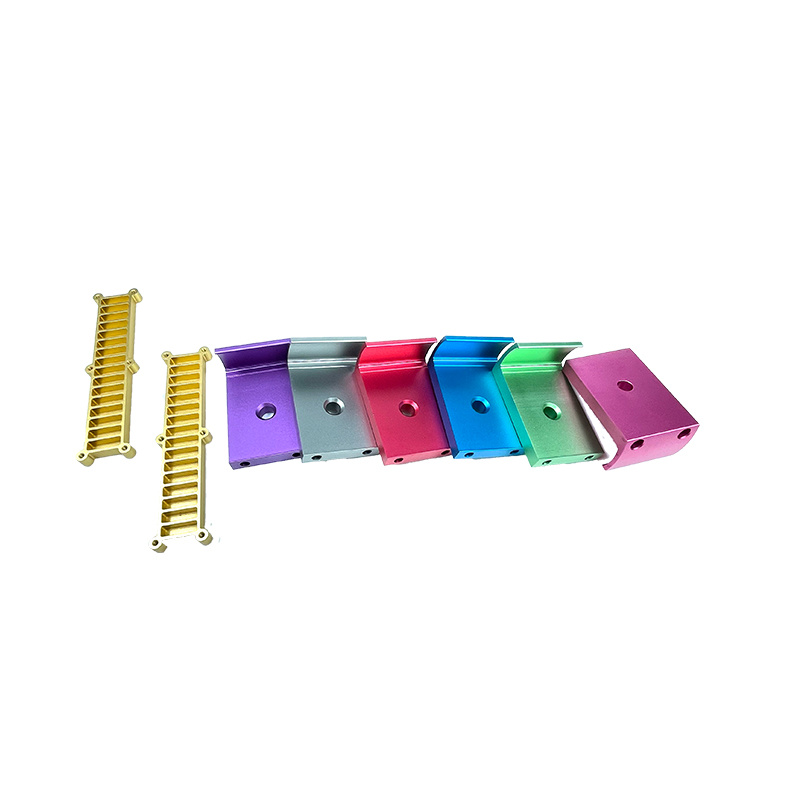
Rapid mould technology refers to a set of techniques designed to expedite the production of molds for plastic manufacturing. This process often utilizes advanced materials, such as **3D printing** or **CNC machining**, to create molds quickly and effectively. Unlike traditional mould manufacturing, which can take weeks or even months, rapid mould technology can produce prototypes and final products in significantly less time, allowing manufacturers to adapt swiftly to changing market needs.
Benefits of Rapid Mould Technology in Plastic Manufacturing
The adoption of rapid mould technology brings forth a myriad of advantages that can significantly impact the manufacturing process. Below are some of the key benefits:
Time-Saving Advantages
One of the most compelling benefits of rapid mould technology is its ability to drastically reduce the time required for mold production. Traditional methods often involve lengthy design and manufacturing processes, while rapid moulding can produce functional prototypes in days. This speed enables manufacturers to bring products to market faster, giving them a competitive edge.
Cost Reduction and Financial Impact
In addition to saving time, rapid mould technology can reduce costs associated with the production of molds. By minimizing the need for extensive manual labor and reducing material waste, manufacturers can achieve significant cost savings. These financial benefits can then be passed on to consumers, making products more affordable and increasing market reach.
Quality Improvement through Precision
Precision is critical in plastic manufacturing, and rapid mould technology excels in this area. By utilizing advanced 3D printing and CNC techniques, manufacturers can create molds that meet exact specifications. This level of precision results in improved product quality, reducing defects and enhancing customer satisfaction.
Enhanced Design Flexibility
Rapid mould technology allows for greater flexibility in design. Manufacturers can experiment with complex geometries and innovative designs without the fear of excessive costs or lengthy production times. This flexibility encourages creativity and innovation, leading to unique products that stand out in the marketplace.
Sustainability and Environmental Benefits
As consumers and regulatory bodies place greater emphasis on sustainability, rapid mould technology offers eco-friendly solutions. This technology often results in less material waste and lower energy consumption compared to traditional mould manufacturing methods. Furthermore, the ability to quickly iterate designs means that environmentally friendly options can be explored and implemented more rapidly.
Applications of Rapid Mould Technology
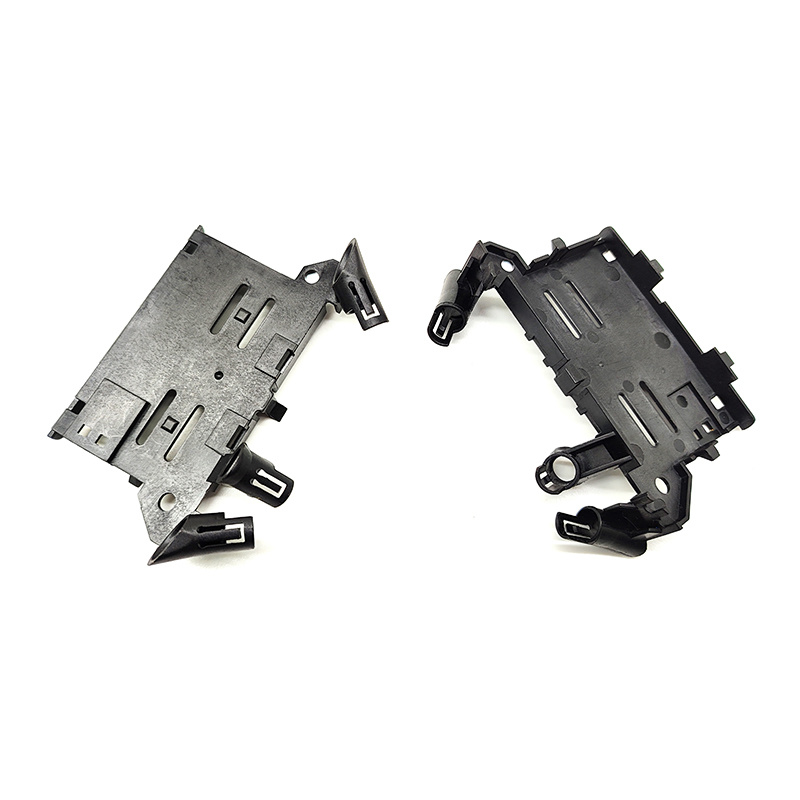
The applications of rapid mould technology in plastic manufacturing are vast and varied. Industries ranging from automotive to consumer products are leveraging this technology to improve their production processes. For example, in the automotive sector, manufacturers can quickly produce lightweight components that enhance fuel efficiency. In consumer goods, rapid moulding enables the fast production of customized products, catering to specific consumer preferences.
Challenges and Considerations in Implementing Rapid Mould
While rapid mould technology offers numerous advantages, there are challenges to its implementation. Manufacturers must consider the initial investment in technology and training. There may also be a learning curve associated with new processes, requiring ongoing support and development. Understanding these challenges is essential for companies looking to fully harness the benefits of rapid moulding.
The Future of Rapid Mould Technology in Plastic Manufacturing
Looking ahead, rapid mould technology is poised to play an even more crucial role in the future of plastic manufacturing. Innovations in materials, such as biodegradable plastics and advanced composites, will enhance the capabilities of rapid moulding. Furthermore, as industries continue to prioritize sustainability and efficiency, the demand for rapid mould solutions is expected to grow, driving further innovation and development within the sector.
Conclusion
In conclusion, rapid mould technology is revolutionizing the plastic manufacturing industry by unlocking efficiency and fostering innovation. With its time-saving advantages, cost reductions, precision quality improvements, design flexibility, and commitment to sustainability, it is clear that this technology is not just a trend but a pivotal component of modern manufacturing strategies. As companies adapt to the demands of the market, embracing rapid mould technology will be essential for maintaining competitiveness and meeting customer expectations.
Frequently Asked Questions
1. What is the main advantage of rapid mould technology in plastic manufacturing?
The primary advantage is the significant reduction in production time, allowing manufacturers to bring products to market faster and respond to consumer demands effectively.
2. How does rapid mould technology impact production costs?
Rapid mould technology reduces costs by minimizing labor requirements and material waste, leading to savings that can benefit both manufacturers and consumers.
3. Can rapid mould technology improve product quality?
Yes, by using precise techniques such as 3D printing and CNC machining, rapid mould technology enhances the accuracy of molds, resulting in higher-quality products with fewer defects.
4. What industries benefit from rapid mould technology?
Numerous industries benefit, including automotive, consumer goods, medical devices, and electronics, all of which require efficient and innovative production processes.
5. Are there any challenges associated with implementing rapid mould technology?
Challenges include the initial investment in new technology, potential training requirements for staff, and navigating the learning curve associated with new processes.
Rapid mould
Related news
2024-11-15