
Understanding CNC Machining: A Comprehensive Guide to Precision Manufacturing
Time:
2024-09-22 11:40
Source:
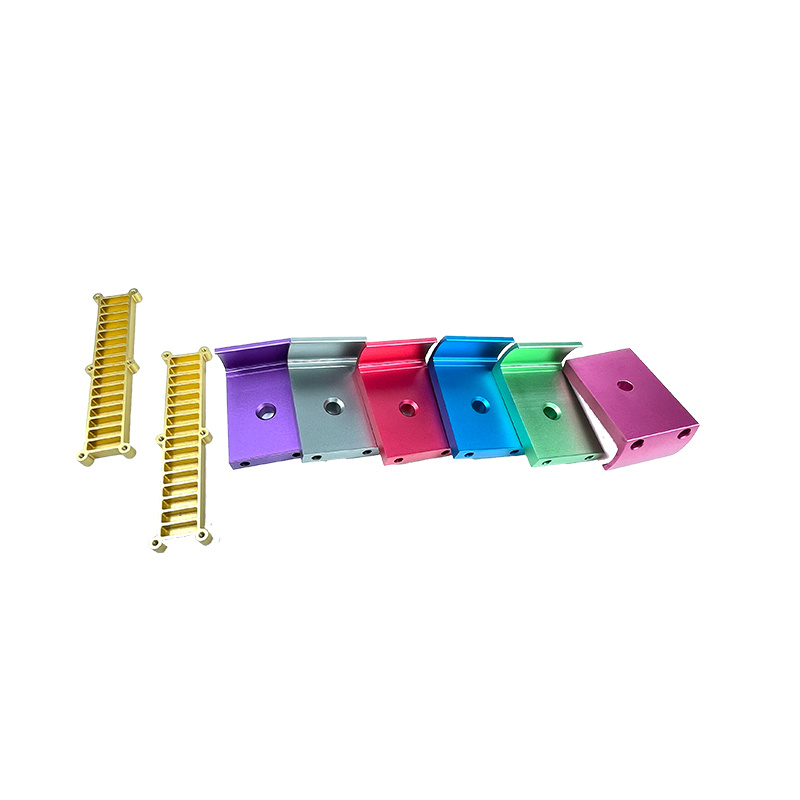
CNC machining, which stands for Computer Numerical Control machining, refers to the process of using computer software to control machine tools. This technology is pivotal in the manufacturing sector, particularly for creating intricate parts and components with high precision. By converting designs into numerical data, CNC machines can produce complex geometries that would be nearly impossible to achieve through manual machining.
One of the primary advantages of CNC machining is its ability to maintain consistency and accuracy across large production runs. Once a design has been programmed into the CNC machine, it can produce identical parts with minimal variation. This level of consistency is crucial for industries that require components to fit together perfectly, such as in automotive and aerospace manufacturing.
The process begins with a Computer-Aided Design (CAD) model, which is created by engineers and designers. This model is then converted into a Computer-Aided Manufacturing (CAM) program that the CNC machine can interpret. The machine follows the instructions from the CAM program to cut, mill, drill, or shape materials like metal, plastic, or wood. This level of automation reduces the risk of human error and improves overall efficiency.
CNC machining is highly versatile and can be applied to a wide range of materials, making it suitable for various industries, including medical, electronics, and automotive. Different types of CNC machines, such as CNC lathes, CNC mills, and CNC routers, are used depending on the specific requirements of the task at hand. Each type of machine excels in different applications, allowing manufacturers to choose the equipment that best suits their needs.
Furthermore, CNC machining allows for rapid prototyping, enabling businesses to create prototypes quickly and efficiently. This speed is essential for testing concepts and designs before moving into large-scale production. It also facilitates adjustments and modifications on the fly, which can significantly reduce time to market.
In conclusion, CNC machining is a transformative technology that has become a cornerstone of modern manufacturing. Its ability to produce complex parts with high precision and efficiency makes it invaluable across various industries. By understanding the fundamentals of CNC machining, businesses can better leverage this technology to improve their manufacturing processes and stay competitive in an ever-evolving market. Embracing CNC machining not only enhances product quality but also opens the door to innovation and efficiency in manufacturing operations.
One of the primary advantages of CNC machining is its ability to maintain consistency and accuracy across large production runs. Once a design has been programmed into the CNC machine, it can produce identical parts with minimal variation. This level of consistency is crucial for industries that require components to fit together perfectly, such as in automotive and aerospace manufacturing.
The process begins with a Computer-Aided Design (CAD) model, which is created by engineers and designers. This model is then converted into a Computer-Aided Manufacturing (CAM) program that the CNC machine can interpret. The machine follows the instructions from the CAM program to cut, mill, drill, or shape materials like metal, plastic, or wood. This level of automation reduces the risk of human error and improves overall efficiency.
CNC machining is highly versatile and can be applied to a wide range of materials, making it suitable for various industries, including medical, electronics, and automotive. Different types of CNC machines, such as CNC lathes, CNC mills, and CNC routers, are used depending on the specific requirements of the task at hand. Each type of machine excels in different applications, allowing manufacturers to choose the equipment that best suits their needs.
Furthermore, CNC machining allows for rapid prototyping, enabling businesses to create prototypes quickly and efficiently. This speed is essential for testing concepts and designs before moving into large-scale production. It also facilitates adjustments and modifications on the fly, which can significantly reduce time to market.
In conclusion, CNC machining is a transformative technology that has become a cornerstone of modern manufacturing. Its ability to produce complex parts with high precision and efficiency makes it invaluable across various industries. By understanding the fundamentals of CNC machining, businesses can better leverage this technology to improve their manufacturing processes and stay competitive in an ever-evolving market. Embracing CNC machining not only enhances product quality but also opens the door to innovation and efficiency in manufacturing operations.
CNC machining
Related news

2024-11-15