Unlocking Innovation: The Role of Prototype Tooling in Modern Manufacturing
Time:
2024-09-23 10:40
Source:
Unlocking Innovation: The Role of Prototype Tooling in Modern Manufacturing
Table of Contents
- 1. Introduction to Prototype Tooling in Manufacturing
- 2. What is Prototype Tooling?
- 3. The Importance of Prototype Tooling in Modern Manufacturing
- 4. Key Benefits of Prototype Tooling
- 5. The Prototype Tooling Process Explained
- 6. Innovative Applications of Prototype Tooling
- 7. Challenges in Prototype Tooling
- 8. The Future of Prototype Tooling in Manufacturing
- 9. FAQs about Prototype Tooling
- 10. Conclusion
1. Introduction to Prototype Tooling in Manufacturing
In the continuously evolving landscape of manufacturing, **prototype tooling** emerges as a pivotal element facilitating innovation and efficiency. This method allows manufacturers to create and test prototypes before full-scale production, which significantly mitigates risk and enhances product development cycles. As industries strive for rapid advancement, understanding the role of prototype tooling is vital to unlocking new levels of creativity and efficiency.
2. What is Prototype Tooling?
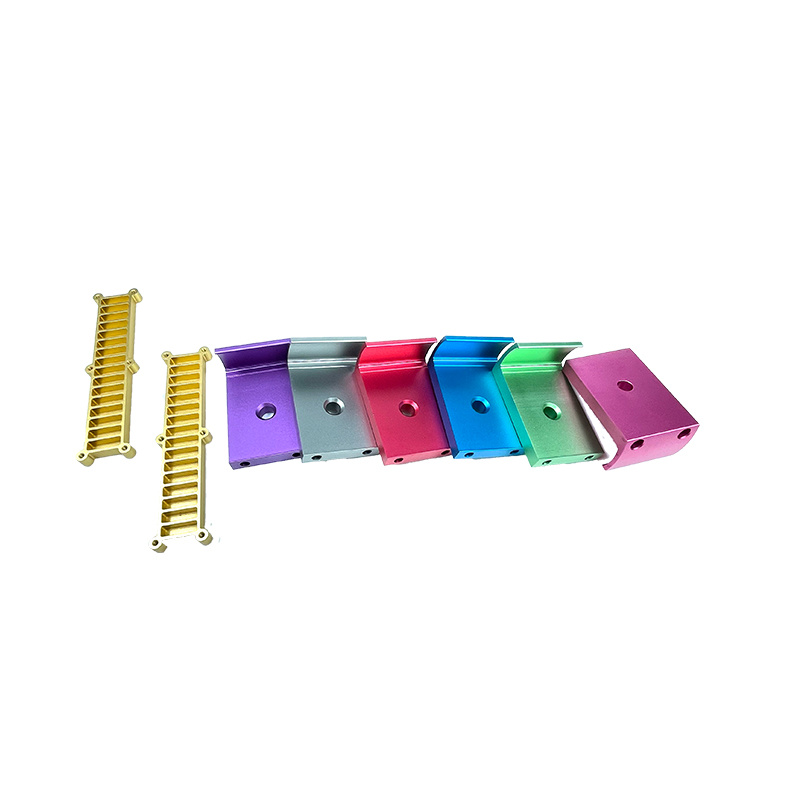
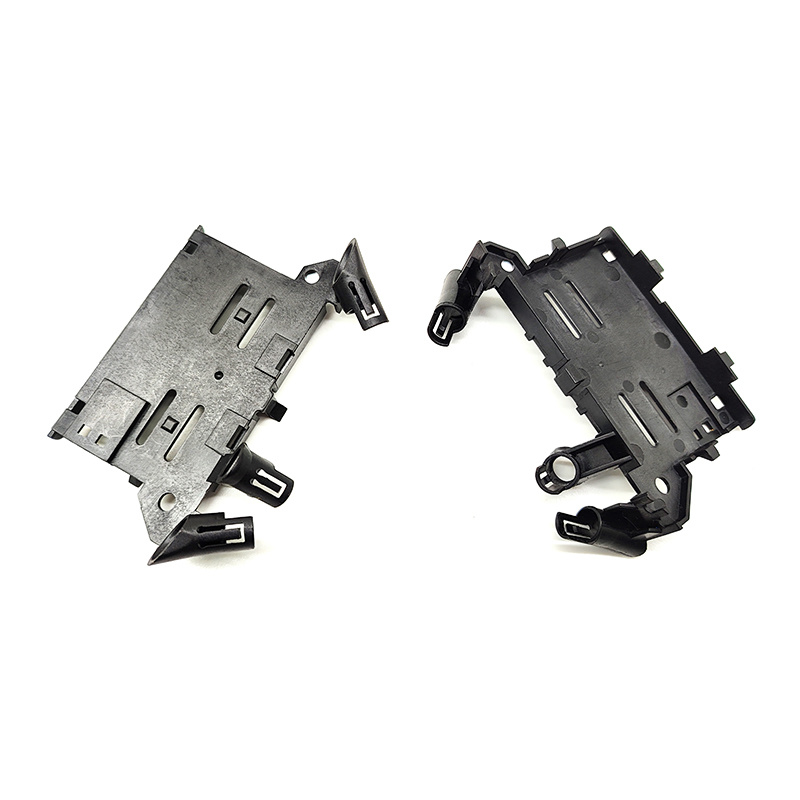
Prototype tooling refers to the process of creating tooling systems designed specifically for the development of prototypes. This may include molds, dies, jigs, and fixtures used to produce prototype parts. The essence of prototype tooling lies in its ability to allow designers and engineers to validate concepts, assess form and functionality, and identify potential issues early in the development process.
2.1 Types of Prototype Tooling
Prototype tooling can be categorized into various types, including:
- **Rapid Prototyping**: This method uses additive manufacturing techniques to create prototypes quickly and affordably.
- **Soft Tooling**: Utilizes flexible materials for short-run production, ideal for initial testing and market validation.
- **Hard Tooling**: Involves creating robust tools for more substantial production runs, offering durability and precision.
3. The Importance of Prototype Tooling in Modern Manufacturing
The significance of prototype tooling in modern manufacturing cannot be overstated. It serves as a bridge between design and production, ensuring that products meet quality and functionality standards. By utilizing prototype tooling, manufacturers can:
- **Reduce Time to Market**: Accelerate the design process through rapid iterations and testing.
- **Enhance Product Quality**: Identify flaws and optimize designs before mass production.
- **Lower Production Costs**: Minimize waste and resource expenditure through effective testing.
4. Key Benefits of Prototype Tooling
Prototype tooling offers numerous advantages that contribute to the overall success of manufacturing operations.
4.1 Improved Communication
Using tangible prototypes facilitates clearer communication among stakeholders, including designers, engineers, and clients. Visual representation of concepts aids in aligning visions and expectations.
4.2 Increased Design Flexibility
Prototype tooling allows for significant design modifications without the financial burden of retooling for mass production. This flexibility enables companies to adapt quickly to market feedback.
4.3 Enhanced Market Competitiveness
Companies that can rapidly prototype and iterate products often gain a first-mover advantage. Agile responses to changing market demands position manufacturers ahead of competitors.
5. The Prototype Tooling Process Explained
The prototype tooling process involves several critical steps that ensure the successful development of prototypes.
5.1 Concept Development
Initial design concepts are created, focusing on functionality and aesthetics. This stage often involves brainstorming sessions and initial sketches.
5.2 Design Validation
Using computer-aided design (CAD) software, engineers create detailed digital models. These models are crucial for simulating functionality and identifying design flaws.
5.3 Tooling Fabrication
Once the design is validated, the actual fabrication of tools begins. This may involve CNC machining, 3D printing, or traditional methods depending on the requirements.
5.4 Prototype Testing
Creating prototypes allows for functional testing. Manufacturers evaluate the prototypes for performance, durability, and overall quality.
5.5 Iteration and Finalization
Based on testing results, designs may be modified. This iterative process continues until the final product meets all specifications.
6. Innovative Applications of Prototype Tooling
Prototype tooling is employed across various industries, showcasing its versatility and adaptability.
6.1 Automotive Industry
In the automotive sector, prototype tooling facilitates the rapid development of components, allowing for extensive testing before vehicles hit the market.
6.2 Consumer Electronics
Manufacturers of consumer electronics utilize prototype tooling to streamline the development of intricate designs, ensuring that products are user-friendly and functional.
6.3 Medical Devices
Prototype tooling is critical in the medical device industry, where precision and compliance with regulatory standards are paramount. Prototyping ensures that devices function safely and effectively.
7. Challenges in Prototype Tooling
While prototype tooling is beneficial, manufacturers face several challenges in its application.
7.1 Cost Management
The initial investment in prototype tooling can be substantial, particularly for hard tooling. Manufacturers must balance costs with quality and speed.
7.2 Technical Expertise
Effective prototype tooling requires skilled personnel. Lack of expertise can lead to subpar prototypes that do not meet necessary specifications.
7.3 Time Constraints
While prototype tooling aims to expedite the design process, tight deadlines can lead to rushed prototypes that may not accurately represent the final product.
8. The Future of Prototype Tooling in Manufacturing
The future of prototype tooling looks promising, driven by advancements in technology such as **3D printing**, **AI**, and **material science**. These innovations will continue to enhance the speed and efficiency of prototype development, enabling manufacturers to push the boundaries of creativity and innovation.
9. FAQs about Prototype Tooling
9.1 What materials are commonly used in prototype tooling?
Common materials include plastics, metals, and composites. The choice of material depends on the intended application and required durability.
9.2 How long does the prototype tooling process take?
The timeline varies based on complexity but can range from days to weeks for rapid prototyping and several months for hard tooling.
9.3 Can prototype tooling be used for large-scale production?
While primarily designed for prototyping, some prototype tools can be adapted for limited production runs, particularly soft tooling.
9.4 What industries benefit most from prototype tooling?
Industries like automotive, aerospace, consumer electronics, and medical devices heavily rely on prototype tooling for product development.
9.5 How does prototype tooling impact product quality?
By allowing extensive testing and iterations, prototype tooling significantly enhances product quality, ensuring that flaws are addressed before mass production.
10. Conclusion
Prototype tooling plays a crucial role in modern manufacturing, driving innovation, reducing costs, and improving product quality. As industries continue to evolve, the importance of rapid prototyping and effective tooling strategies will only grow. Embracing these methodologies allows manufacturers to not only keep pace with market demands but also to lead the charge in technological advancement. By understanding and implementing effective prototype tooling processes, manufacturers can unlock new levels of efficiency and creativity, ensuring their success in a competitive landscape.
Prototype tooling
Related news
2024-11-15