
Understanding Low Volume Production in Machining and Manufacturing
Time:
2024-09-24 10:40
Source:
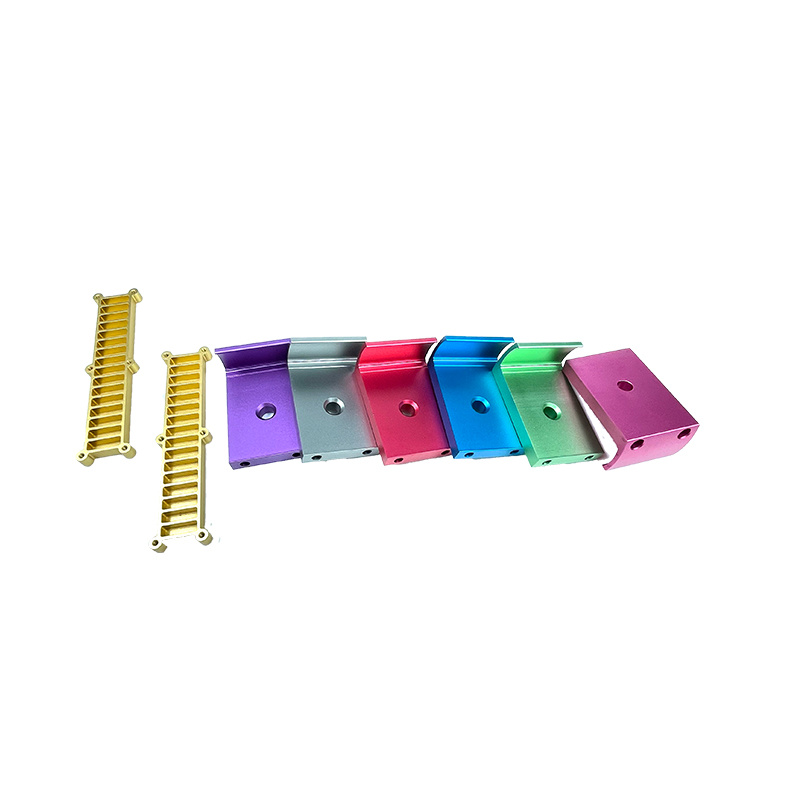
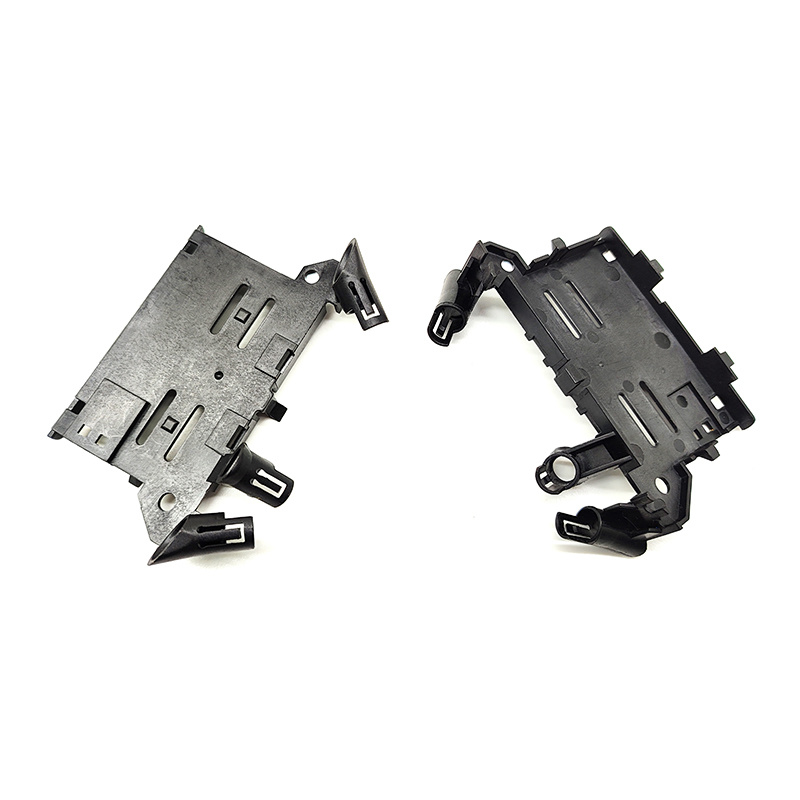
Low volume production refers to the manufacturing process of producing a small number of parts or products, typically ranging from a few dozen to a few thousand units. This approach contrasts sharply with high volume production, where large quantities of items are produced, often resulting in economies of scale. Low volume production is particularly advantageous in the machining and manufacturing sectors, where precision and customization are paramount.
One of the primary benefits of low volume production is the flexibility it offers. Manufacturers can quickly adapt to changes in demand, allowing them to cater to niche markets or specific customer requirements. This adaptability is crucial in today's fast-paced industrial landscape, where innovation and customer preferences are continually evolving. For businesses that require prototype development or small batch runs, low volume production enables them to test new designs or products without committing to large-scale manufacturing.
In the realm of machining, low volume production allows for a higher degree of customization. Clients often have unique specifications for their components, and low volume production processes enable manufacturers to tailor each part to meet these demands. This customization can include alterations in material choice, dimensions, and finishing processes, ensuring that the final product aligns perfectly with customer expectations.
Moreover, low volume production can lead to reduced waste and cost savings. In high volume manufacturing, processes often result in excess material usage or overproduction, which can significantly inflate costs. By focusing on smaller production runs, manufacturers can optimize resource usage and minimize waste, contributing to more sustainable production practices.
However, it's important to note that low volume production typically requires advanced machining techniques and equipment capable of producing high-quality results consistently. Investing in modern technologies such as CNC machining, 3D printing, and other precision manufacturing processes can enhance the efficiency and effectiveness of low volume production. These technologies not only improve the quality of the parts produced but also reduce lead times, making it possible to fulfill customer orders more quickly.
In conclusion, low volume production is a strategic approach that offers numerous advantages in the machining and manufacturing sectors. By embracing this method, businesses can achieve greater flexibility, ensure high levels of customization, and promote sustainable practices while maintaining cost efficiency. Whether you're developing prototypes or fulfilling specialized orders, understanding the principles of low volume production can empower your company to thrive in a competitive market.
low Volume production
Related news
2024-11-15