Understanding Low-Volume Parts in the Machinery Industry
Time:
2024-09-30 12:00
Source:
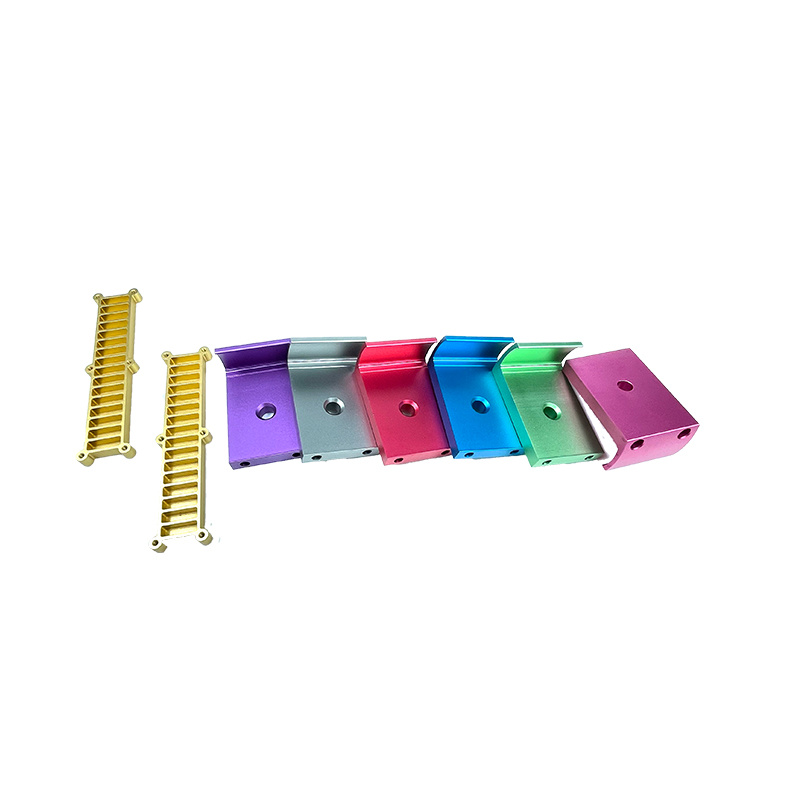
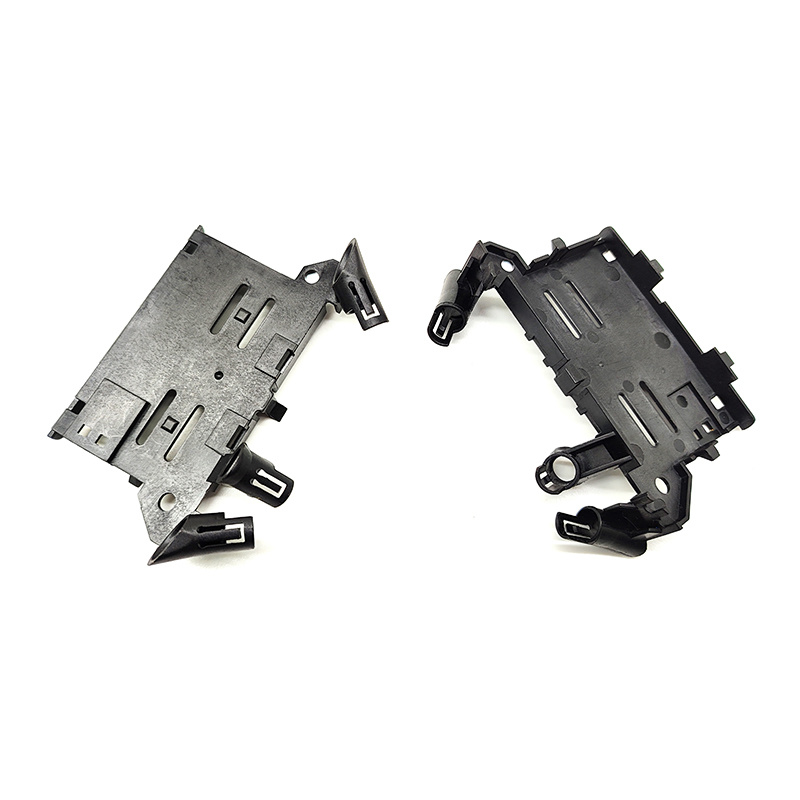
In the machinery and hardware industry, the term “low-volume parts” refers to components manufactured in smaller quantities compared to mass-produced items. This approach is particularly valuable for businesses that require specialized parts or prototypes for various applications. Low-volume production allows companies to respond quickly to market demands without the financial burden associated with large-scale manufacturing.
One of the key benefits of low-volume parts is their adaptability. In industries where customization is essential, such as aerospace, automotive, and medical equipment, low-volume manufacturing enables engineers to create components tailored to specific requirements. This flexibility is crucial in a landscape where innovation and rapid prototyping are necessary to stay competitive.
Low-volume parts are typically produced using several methods, including CNC machining, 3D printing, and injection molding. CNC machining allows for high precision and can accommodate complex geometries, making it a preferred option for many engineers. On the other hand, 3D printing has revolutionized the production of low-volume parts, offering fast turnaround times and the ability to create intricate designs that traditional manufacturing techniques may struggle with.
Another important aspect of low-volume parts is their role in testing and validation. Before committing to large production runs, businesses can produce a limited number of parts to evaluate their performance, fit, and functionality. This minimizes the risk of costly errors and helps in refining the design based on real-world feedback.
Moreover, low-volume production can lead to significant cost savings. While the per-unit cost may be higher than mass production, the overall investment is lower, as there is no need for extensive tooling or long lead times. This is particularly beneficial for startups and small businesses that require quick turnarounds without the overhead of maintaining large inventories.
In addition, low-volume parts can be instrumental in enhancing sustainability efforts within the machinery industry. By producing only what is needed, companies can reduce waste and minimize their environmental impact. This aligns with the growing trend toward sustainable manufacturing practices, where efficiency and conservation are becoming paramount.
In conclusion, low-volume parts play a vital role in the machinery and hardware industry by offering flexibility, cost efficiency, and the ability to innovate rapidly. As the landscape of manufacturing continues to evolve, understanding the importance and applications of low-volume parts will be crucial for professionals looking to enhance their operational capabilities and meet the changing demands of the market.
Low-volume parts
Related news

2024-11-15