How Injection Molding Revolutionizes Plastic Production Efficiency
Time:
2024-09-29 10:20
Source:
How Injection Molding Revolutionizes Plastic Production Efficiency
Table of Contents
- Introduction to Injection Molding
- Understanding the Injection Molding Process
- Key Benefits of Injection Molding in Production
- Diverse Applications of Injection Molding
- Challenges and Solutions in Injection Molding
- The Future of Injection Molding Technology
- Sustainability and Environmental Impact of Injection Molding
- Conclusion
- Frequently Asked Questions
Introduction to Injection Molding
Injection molding is a highly efficient and versatile manufacturing process that has profoundly transformed the production of plastic products. This technology allows for the mass production of complex shapes and forms with remarkable speed and accuracy. As industries increasingly demand high-quality plastic components, understanding the mechanisms and advantages of injection molding is essential for manufacturers seeking to enhance their production efficiency.
Understanding the Injection Molding Process
The injection molding process involves melting plastic pellets and injecting the molten material into a mold cavity. The key steps in this intricate process include:
Raw Material Selection
The first step in injection molding is selecting the appropriate plastic material based on its properties, such as strength, flexibility, and temperature resistance. Commonly used materials include polyethylene, polypropylene, and polyvinyl chloride (PVC).
Heating and Melting
Once the raw materials are selected, they are fed into a heated barrel where they are melted. This stage requires precise temperature control to ensure that the plastic reaches a sufficiently fluid state for injection.
Molding
The molten plastic is injected into a mold under high pressure. The design of the mold is critical, as it determines the final shape and dimensions of the product. Customized molds can be created for specific applications, enhancing production efficiency.
Cooling and Solidification
After the molten plastic is injected into the mold, it is cooled to solidify. The cooling time varies depending on the material and the thickness of the molded part. Efficient cooling systems are vital to reduce cycle times and enhance overall production efficiency.
Mold Opening and Part Ejection
Once the plastic has cooled and solidified, the mold is opened, and the finished part is ejected. This automation reduces labor costs and accelerates the production process.
Key Benefits of Injection Molding in Production
Injection molding offers a plethora of advantages that significantly enhance production efficiency:
1. High Production Speed
Injection molding can produce thousands of parts in a short time, making it ideal for high-volume production runs. The automation of the process enables manufacturers to achieve quicker turnaround times.
2. Design Flexibility
The ability to create intricate designs and complex shapes with precision is a noteworthy benefit of injection molding. This flexibility allows for innovative product designs that can meet specific consumer needs.
3. Material Efficiency
The process minimizes waste, as excess material can often be reused. This not only reduces production costs but also contributes to more sustainable manufacturing practices.
4. Consistency and Quality
Injection molding produces highly consistent parts with tight tolerances. This uniformity is crucial for industries that require high-quality components, such as automotive and medical applications.
5. Reduced Labor Costs
With the automation of the injection molding process, labor costs can be significantly reduced. Fewer operators are needed, and the reliance on manual labor is diminished.
Diverse Applications of Injection Molding
Injection molding is utilized across a wide range of industries due to its efficiency and versatility. Some key applications include:
1. Automotive Industry
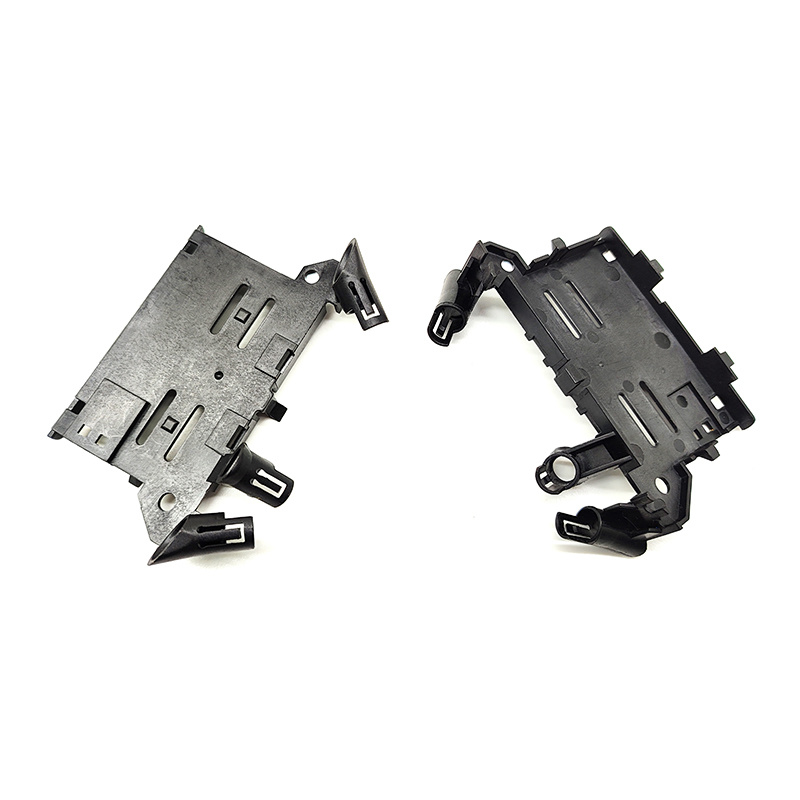
In the automotive sector, injection molding is used to produce essential components such as dashboards, door panels, and bumpers. The lightweight nature of plastic helps improve fuel efficiency.
2. Consumer Goods
From plastic bottles to household appliances, injection molding is crucial in producing everyday consumer products. The ability to create complex shapes makes it suitable for diverse applications.
3. Medical Devices
The medical industry relies on injection molding for the production of syringes, surgical instruments, and other critical components. The precision and quality of injection-molded parts are vital for patient safety.
4. Electronics
Injection molding plays a significant role in the electronics industry, where it is used to manufacture casings, connectors, and various components. The technology supports the intricate designs required in modern electronics.
Challenges and Solutions in Injection Molding
Despite its numerous advantages, injection molding is not without challenges. Addressing these challenges is vital for maintaining production efficiency.
1. High Initial Costs
The setup costs for injection molding can be substantial, especially for creating custom molds. However, these costs are often offset by the long-term savings achieved through high production volumes.
2. Cycle Time Optimization
Finding the perfect balance between injection time, cooling time, and mold opening time can be challenging. Continuous process optimization and advanced cooling techniques can help mitigate this issue.
3. Material Limitations
Certain materials may not be suitable for injection molding due to their properties. Ongoing research in material science is expanding the range of usable plastics, providing manufacturers with more options.
The Future of Injection Molding Technology
As technology evolves, so does the potential for injection molding. The future holds exciting developments that promise to enhance production efficiency further:
1. Advanced Automation
The integration of robotics and AI in the injection molding process is set to improve efficiency and precision. Automated systems can monitor production, optimize cycle times, and reduce human error.
2. Biodegradable Plastics
The shift towards sustainable manufacturing will drive the development of biodegradable plastics. Injection molding technology will adapt to incorporate these materials, aligning with environmental goals.
3. 3D Printing Integration
Combining injection molding with 3D printing opens up opportunities for rapid prototyping and small-batch production. This synergy allows manufacturers to innovate more quickly while maintaining cost-effectiveness.
Sustainability and Environmental Impact of Injection Molding
The plastic industry faces increasing scrutiny regarding its environmental impact. Injection molding can align with sustainability goals through several approaches:
1. Recycling Capabilities
Injection molding supports recycling efforts through the use of recycled plastics in production. This practice reduces the demand for virgin materials and minimizes waste.
2. Energy Efficiency
Modern injection molding machines are designed to be energy-efficient, consuming less power while maintaining high output rates. This approach reduces the carbon footprint of manufacturing operations.
3. Sustainable Material Development
Investments in research and development are leading to the creation of sustainable materials that can be processed through injection molding. This trend is pivotal for the industry's long-term viability.
Conclusion
Injection molding has undeniably transformed plastic production efficiency, offering a range of benefits that empower manufacturers to meet the demands of various industries. From high production speeds and design flexibility to sustainability efforts, the advantages of this technology are extensive. As we look to the future, innovations in automation, materials, and sustainable practices will continue to shape the landscape of injection molding, ensuring its relevance in the ever-evolving manufacturing environment.
Frequently Asked Questions
1. What is injection molding?
Injection molding is a manufacturing process that involves melting plastic and injecting it into a mold to create specific shapes and designs.
2. What materials can be used in injection molding?
Common materials include thermoplastics like polyethylene, polypropylene, and PVC, as well as thermosetting plastics.
3. How does injection molding improve efficiency?
By enabling high-speed production, reducing material waste, and ensuring consistent quality, injection molding significantly enhances manufacturing efficiency.
4. What industries benefit from injection molding?
Industries such as automotive, consumer goods, medical devices, and electronics utilize injection molding for producing various components.
5. What challenges does injection molding face?
Challenges include high setup costs, cycle time optimization, and material limitations, which can be addressed through technological advancements and process improvements.
Injection mold
Previous Page
Next page
Previous Page
Next page
Related news
2024-11-15