What is Prototype CNC Machining
Time:
2024-09-28 12:20
Source:
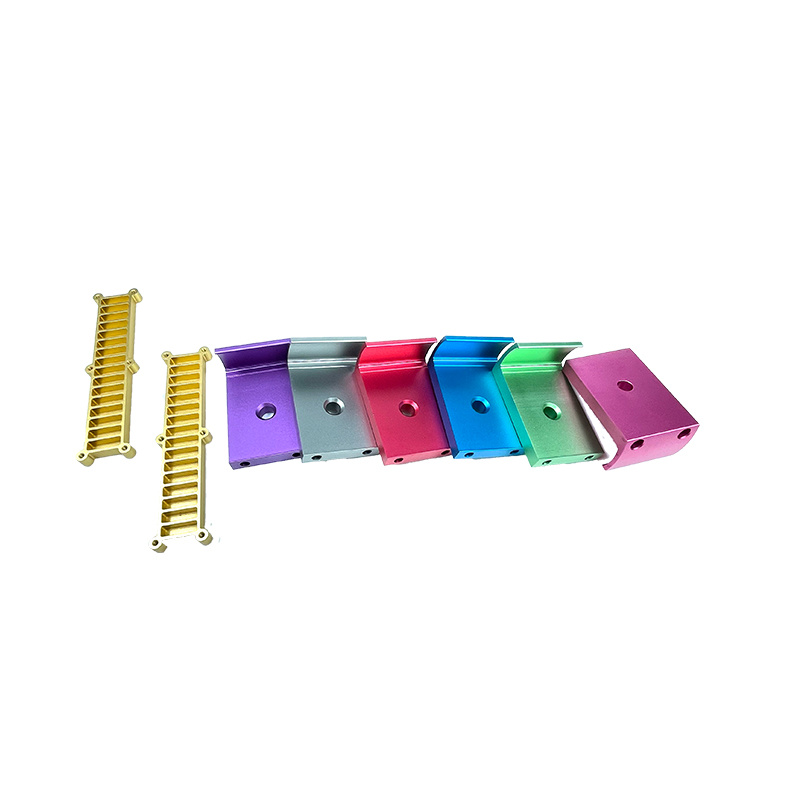
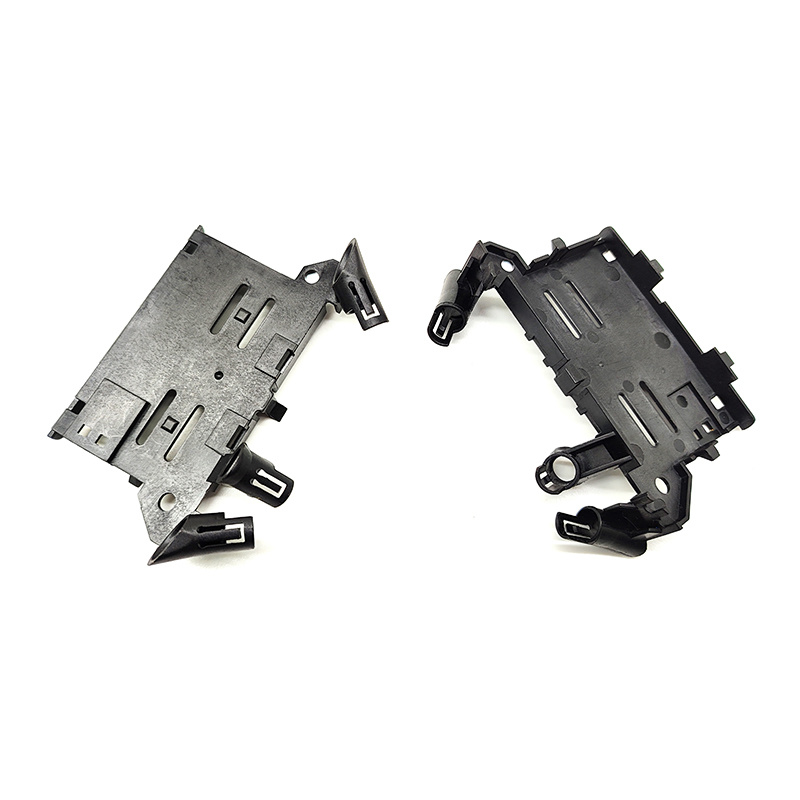
Prototype CNC machining is an essential method in the field of manufacturing, specifically in the realm of mechanical and hardware processing. This technique involves the use of Computer Numerical Control (CNC) machines to create prototypes of parts and components with a high degree of accuracy and repeatability. Whether you are designing a new product or refining an existing one, prototype CNC machining serves as a pivotal step in the development process.
One of the primary advantages of prototype CNC machining is its ability to translate complex designs into tangible products quickly. Traditional machining methods can be time-consuming and may not offer the same level of precision. With CNC machining, designers can input their specifications directly into the machine’s computer, allowing for rapid production of prototypes that reflect the exact dimensions and features of the intended final product.
In addition to speed and accuracy, prototype CNC machining provides significant flexibility in the design process. Engineers and designers can easily make adjustments and alterations to their models based on performance tests without incurring the high costs typically associated with custom tooling or traditional machining. This iterative approach not only streamlines the development cycle but also fosters innovation, as teams can experiment with various designs and materials.
Moreover, prototype CNC machining supports a wide range of materials, including metals, plastics, and composites. This versatility allows manufacturers to test different material properties and select the best options for their final products, ensuring optimal performance and durability. By utilizing prototype CNC machining, companies can identify potential issues early in the design process, leading to improved quality control and reduced production costs.
Another critical aspect of prototype CNC machining is its role in facilitating communication between designers and manufacturers. High-quality prototypes serve as physical representations of design concepts, making it easier for teams to collaborate and convey ideas. This clarity can significantly reduce misunderstandings and ensure that everyone involved in the project is on the same page.
In conclusion, prototype CNC machining is a powerful tool in the arsenal of modern manufacturing. Its precision, efficiency, and ability to accommodate rapid design changes make it an invaluable process for producing prototypes of mechanical components and parts. By leveraging this technology, businesses can enhance their product development cycle, leading to innovative solutions and improved market competitiveness. Embracing prototype CNC machining could be the key to unlocking new possibilities in the manufacturing landscape.
prototype CNC machining
Related news
2024-11-15