
The Advantages and Applications of Rapid Tooling in Manufacturing
Time:
2024-10-02 11:20
Source:
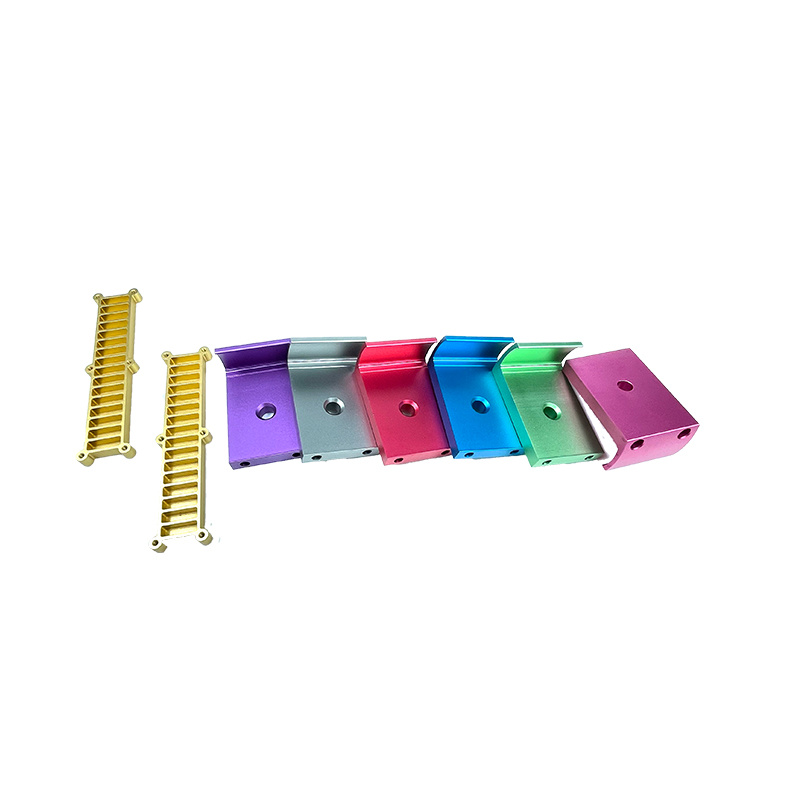
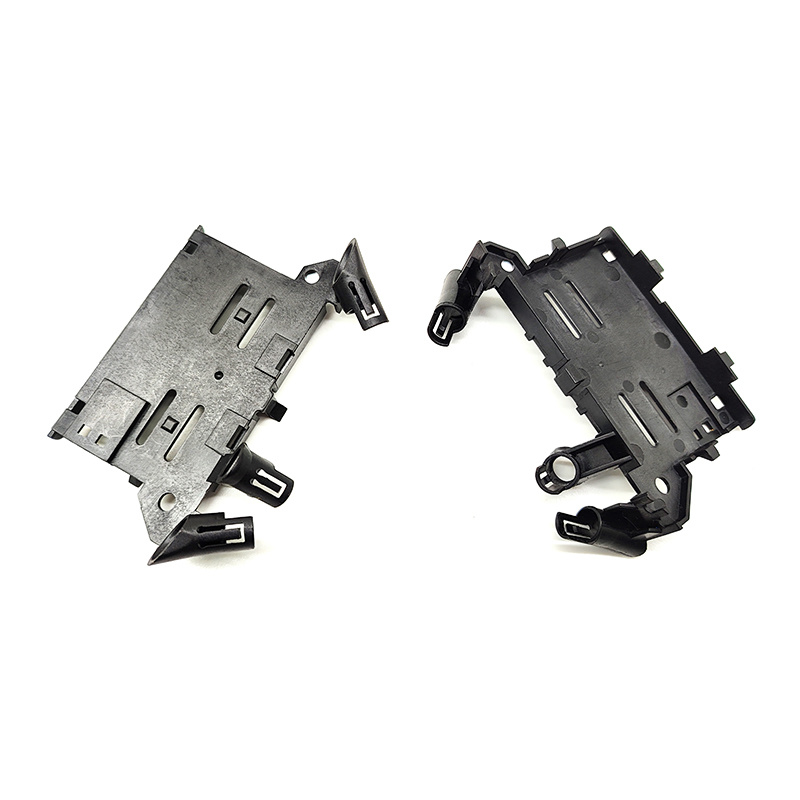
Rapid tooling is an innovative manufacturing technique that has gained traction in the field of machining and mold production. This method involves the quick fabrication of tools, molds, and dies using advanced technologies such as 3D printing, CNC machining, and additive manufacturing. The primary goal of rapid tooling is to reduce lead times and costs associated with traditional tooling methods, ultimately improving the efficiency of the manufacturing process.
One of the key advantages of rapid tooling is its ability to produce prototypes and parts in a fraction of the time compared to conventional methods. This is particularly beneficial in industries where speed to market is crucial. By utilizing rapid tooling, manufacturers can create high-quality molds and tooling components quickly, allowing for faster iteration and design modifications. This adaptability is essential for staying competitive in today's fast-paced manufacturing environment.
In addition to speed, rapid tooling also offers enhanced flexibility in design. Traditional tooling often requires significant investments in specialized equipment and materials, which can limit design possibilities. Conversely, rapid tooling allows engineers and designers to experiment with complex geometries and intricate designs without the constraints typically imposed by conventional tooling techniques. This opens up new avenues for innovation and creativity, enabling manufacturers to meet the diverse needs of their customers.
Moreover, rapid tooling can significantly reduce material waste. Since the process often involves additive manufacturing techniques, materials are added layer by layer, minimizing excess material usage. This not only leads to cost savings but also aligns with sustainable manufacturing practices, which are becoming increasingly important in today's eco-conscious market.
Another aspect worth considering is the potential for improved performance and precision. Rapid tooling techniques can achieve tight tolerances and high surface finishes, making them suitable for applications that require extreme precision. This is particularly relevant in industries such as automotive, aerospace, and medical device manufacturing, where the quality and reliability of components are paramount.
Furthermore, rapid tooling can facilitate better collaboration between design and engineering teams. The ability to quickly produce functional prototypes allows for real-time feedback and adjustments, ensuring that the final product meets the desired specifications. This collaborative approach can lead to better end products and ultimately enhance customer satisfaction.
In conclusion, rapid tooling is a game-changer in the manufacturing sector, offering numerous benefits, including reduced lead times, increased design flexibility, lower material waste, improved precision, and enhanced collaboration. As technology continues to advance, the applications of rapid tooling are expected to expand further, making it an essential component of modern manufacturing strategies. For professionals in the machining and mold production industry, embracing rapid tooling can lead to significant competitive advantages and innovative solutions tailored to meet evolving market demands.
Rapid tooling
Related news
2024-11-15