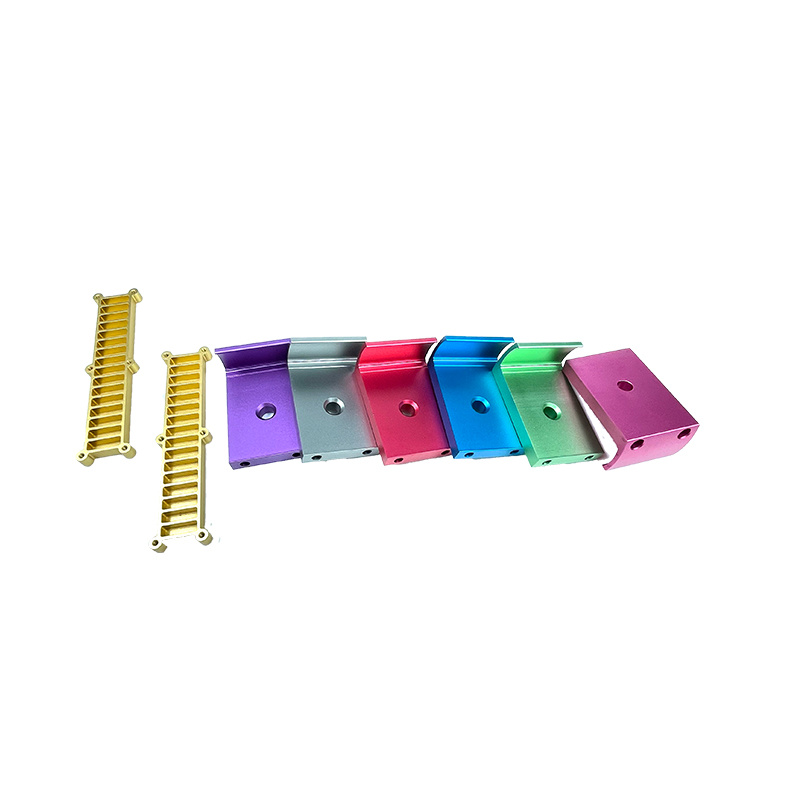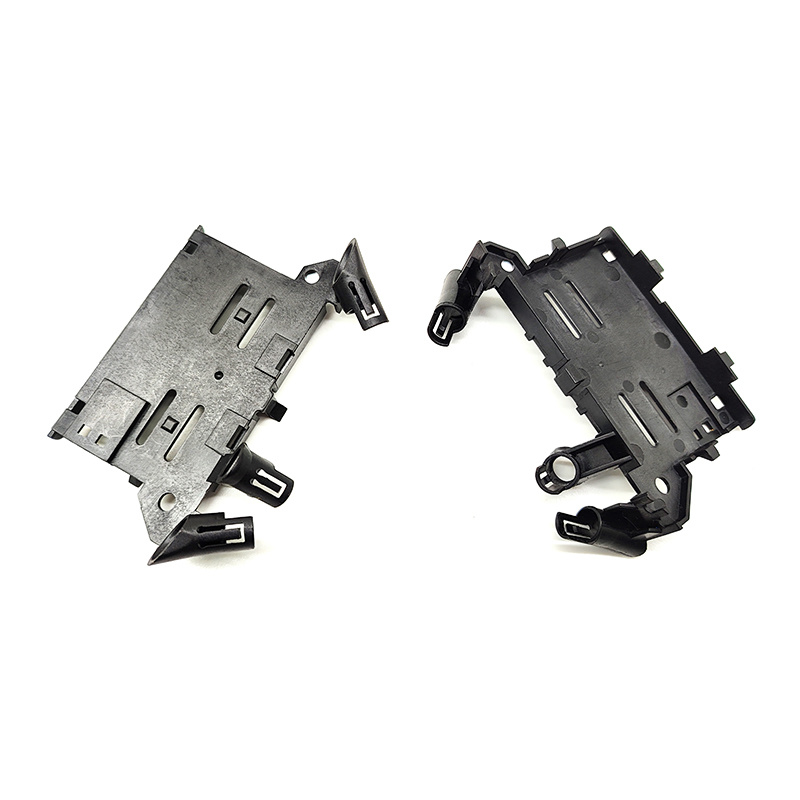

From Concept to Creation: How Rapid Moulding Revolutionizes Prototype Development
Time:
2024-10-03 11:00
Source:
From Concept to Creation: How Rapid Moulding Revolutionizes Prototype Development
Table of Contents
- 1. Introduction to Rapid Moulding
- 2. The Significance of Rapid Moulding in Manufacturing
- 3. The Rapid Moulding Process Explained
- 4. Materials Used in Rapid Moulding
- 5. Applications of Rapid Moulding in Industries
- 6. Advantages of Rapid Moulding Over Traditional Methods
- 7. Challenges and Limitations of Rapid Moulding
- 8. The Future of Rapid Moulding in Prototype Development
- 9. Frequently Asked Questions
- 10. Conclusion
1. Introduction to Rapid Moulding
In today's fast-evolving manufacturing landscape, the need for speed and precision has never been more critical. **Rapid moulding**, a cutting-edge technique, is at the forefront, allowing designers and engineers to transform concepts into tangible products with remarkable efficiency. This article delves into how rapid moulding streamlines the prototype development process, making it a game-changer for industries reliant on timely and cost-effective production.
2. The Significance of Rapid Moulding in Manufacturing
Rapid moulding serves as a catalyst for innovation, significantly enhancing the prototype development cycle. It enables manufacturers to reduce lead times, allowing products to reach the market faster than ever before. Furthermore, rapid moulding improves collaboration between design and engineering teams, as they can quickly iterate on designs based on real-world feedback. This agility is crucial in a competitive landscape where consumer demands shift rapidly.
2.1 Bridging the Gap Between Ideation and Production
Traditionally, the process of moving from idea to production was laden with delays and costs associated with tooling and setup. Rapid moulding bridges this gap by providing a streamlined approach, allowing for quicker transitions from concept sketches to functional prototypes. By minimizing these time-consuming steps, companies can test their products in real-world scenarios sooner, leading to better-informed design decisions.
3. The Rapid Moulding Process Explained
The rapid moulding process typically involves three key stages: **design**, **mould creation**, and **product testing**. Each phase is critical to ensuring the final product meets the intended specifications and performance standards.
3.1 Design Phase
This initial stage focuses on creating detailed digital models using Computer-Aided Design (CAD) software. The design must be optimized for moulding, considering factors like wall thickness, geometry, and material properties. Collaborative tools allow for real-time feedback and adjustments, which helps streamline the process.
3.2 Mould Creation
Once the design is finalized, the mould is created using techniques like **3D printing** or **CNC machining**. These methods allow for high precision and rapid production of moulds, which can significantly reduce time and costs compared to traditional methods.
3.3 Product Testing
After mould creation, the prototype is produced and thoroughly tested. This phase is crucial as it provides insights into how the product performs under various conditions, allowing for further refinement before mass production.
4. Materials Used in Rapid Moulding
The choice of materials in rapid moulding significantly affects the quality and functionality of the final product. Common materials include:
4.1 Thermoplastics
Thermoplastics are widely used due to their versatility, durability, and ease of processing. They can be melted and reshaped multiple times, making them ideal for prototyping.
4.2 Silicone Rubber
Silicone rubber offers excellent flexibility and resistance to temperature extremes. It is often used for prototypes that require a specific tactile feel or flexibility.
4.3 Composites
Composite materials combine various materials to achieve superior properties. They are increasingly popular in industries where lightweight and strength are critical, such as aerospace and automotive.
5. Applications of Rapid Moulding in Industries
Rapid moulding finds applications across a myriad of industries, showcasing its adaptability and effectiveness.
5.1 Automotive Industry
In the automotive sector, rapid moulding accelerates the development of various components, from interior parts to complex engine covers. This speed is crucial as manufacturers strive to meet consumer demands for new models.
5.2 Medical Devices
The medical industry benefits significantly from rapid moulding, enabling the swift production of prototypes for devices such as surgical instruments and diagnostic tools. This is essential for meeting regulatory requirements while ensuring patient safety.
5.3 Consumer Electronics
The fast-paced consumer electronics market relies on rapid moulding to produce prototypes for devices such as smartphones and laptops. Quick iteration allows companies to stay ahead in innovation and meet consumer expectations.
6. Advantages of Rapid Moulding Over Traditional Methods
Rapid moulding presents numerous advantages compared to conventional moulding techniques.
6.1 Reduced Lead Time
One of the most significant benefits is the **reduction in lead times**. Traditional moulding can take weeks or even months, while rapid moulding can produce prototypes in days.
6.2 Cost Efficiency
Rapid moulding reduces costs associated with tooling and material waste. The ability to iterate designs quickly also minimizes the expenses linked to errors in the manufacturing process.
6.3 Enhanced Design Iteration
With rapid moulding, designers can create and test multiple iterations of a product quickly. This flexibility leads to better overall design outcomes and a more refined final product.
7. Challenges and Limitations of Rapid Moulding
Despite its numerous advantages, rapid moulding is not without challenges.
7.1 Material Limitations
While many materials are suitable for rapid moulding, some high-performance materials may not be available, limiting the applications of this technique.
7.2 Scale Limitations
Rapid moulding is often best suited for small batch productions. Scaling up to mass production can require additional processes, which may negate some of the speed benefits.
8. The Future of Rapid Moulding in Prototype Development
The future of rapid moulding looks bright, with ongoing advancements in technology and materials science. As the industry continues to evolve, we can expect to see more sophisticated methods that enhance precision and expand the range of materials available.
8.1 Integration with Additive Manufacturing
The integration of rapid moulding with **additive manufacturing techniques** is set to revolutionize prototype development further. This synergy will enable even more complex designs and faster production times.
8.2 Sustainable Practices
With increasing emphasis on sustainability, future developments in rapid moulding will likely focus on using eco-friendly materials and reducing waste, aligning with global efforts toward sustainable manufacturing practices.
9. Frequently Asked Questions
**Q1: What industries benefit most from rapid moulding?**
A1: Industries such as automotive, medical devices, and consumer electronics benefit significantly from rapid moulding due to the need for fast prototyping and iteration.
**Q2: How does rapid moulding reduce costs?**
A2: Rapid moulding lowers costs by minimizing tooling expenses, reducing material waste, and allowing for quicker design iterations, which decreases the likelihood of costly errors.
**Q3: Can rapid moulding be used for mass production?**
A3: While rapid moulding excels at small batch production and prototyping, scaling up for mass production may require additional processes that could impact cost and time efficiencies.
**Q4: What types of materials are commonly used in rapid moulding?**
A4: Common materials include thermoplastics, silicone rubber, and composites, each chosen based on the specific requirements of the prototype.
**Q5: How quickly can a prototype be produced using rapid moulding?**
A5: Rapid moulding can produce prototypes in a matter of days, significantly faster than traditional moulding methods, which can take weeks or months.
10. Conclusion
Rapid moulding has emerged as a revolutionary technique in prototype development, offering manufacturers unprecedented speed and flexibility. This innovative approach not only streamlines the production process but also fosters collaboration and creativity in product design. As technology continues to advance, the impact of rapid moulding on various industries will only grow, paving the way for more efficient and sustainable manufacturing practices. By embracing rapid moulding, companies can stay competitive, meet consumer demands, and foster innovation in their product offerings.
Rapid mould
Related news
2024-11-15