Unlocking the Potential of CNC Machining in Modern Manufacturing
Time:
2024-10-04 11:01
Source:
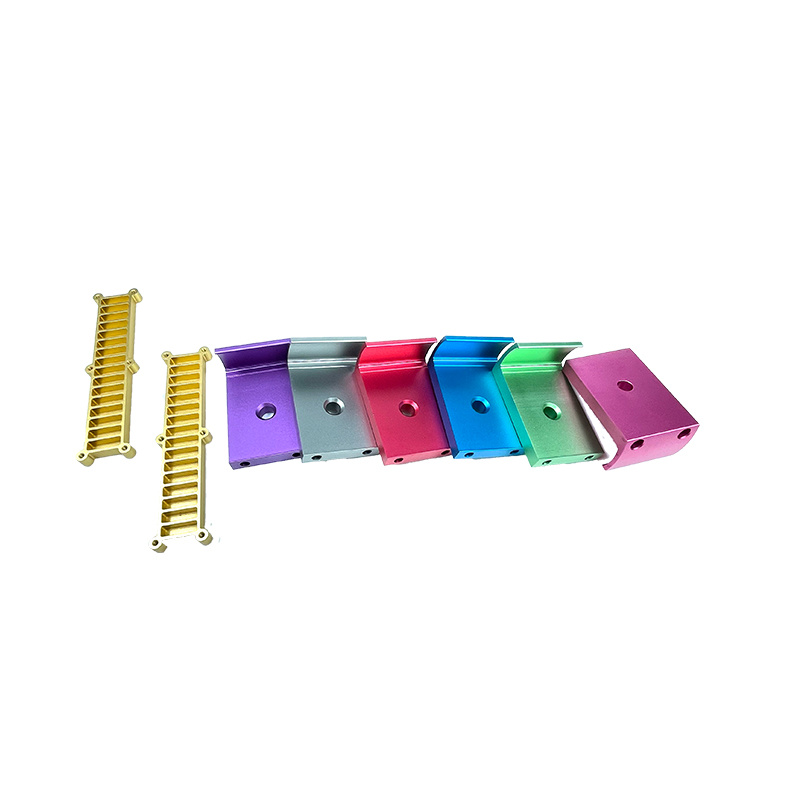
CNC machining, or Computer Numerical Control machining, is a manufacturing process that utilizes computer software to control machine tools. This technology is pivotal in transforming raw materials into precise components, making it indispensable in the manufacturing sector. The method is widely recognized for its efficiency, accuracy, and ability to produce complex shapes that would be challenging to achieve through traditional machining techniques.
One of the primary benefits of CNC machining is its remarkable precision. The process allows for the creation of intricate parts that meet strict tolerances, which is essential in industries such as aerospace, automotive, and medical devices. By using a computer to dictate the movements of machinery, CNC machining minimizes human error and ensures consistent quality across production runs.
Additionally, CNC machining offers significant advantages in terms of efficiency. Traditional machining often requires manual labor at various stages, which can slow down production and increase the risk of errors. In contrast, CNC machines can operate continuously, reducing the time it takes to produce parts. This increased efficiency not only shortens lead times but also enables manufacturers to respond more flexibly to changing market demands.
The versatility of CNC machining is another notable aspect. It can work with a wide range of materials, including metals, plastics, and composites. This adaptability allows manufacturers to use CNC machining for various applications, from creating prototypes to producing large batches of components. The ability to quickly switch between different projects without significant downtime is crucial in maintaining competitiveness in the fast-paced manufacturing environment.
Furthermore, CNC machining supports advanced design capabilities. Modern CNC machines are often equipped with advanced software that allows for intricate designs and complicated geometries to be produced with ease. This capability encourages innovation in product design, as engineers and designers can explore new ideas without being constrained by the limitations of manual machining.
In summary, CNC machining is a transformative technology in the manufacturing world. Its precision, efficiency, and versatility make it an invaluable tool for producing high-quality components across various industries. As the demand for sophisticated and accurate manufacturing continues to rise, CNC machining is poised to play an even more critical role in shaping the future of production. Embracing this technology is essential for manufacturers looking to thrive in an increasingly competitive landscape.
CNC machining
Related news
2024-11-15