Why Prototype Tooling is Essential for Reducing Production Time in Manufacturing
Time:
2024-10-05 10:40
Source:
1. Introduction to Prototype Tooling
In the fast-paced world of manufacturing, **speed** and **efficiency** are paramount. As companies strive to deliver superior products while remaining competitive, the significance of **good price and quality prototype tooling** becomes increasingly evident. This article delves into the fundamental aspects of prototype tooling and examines its essential role in reducing production time.
2. What Is Good Price and Quality Prototype Tooling?
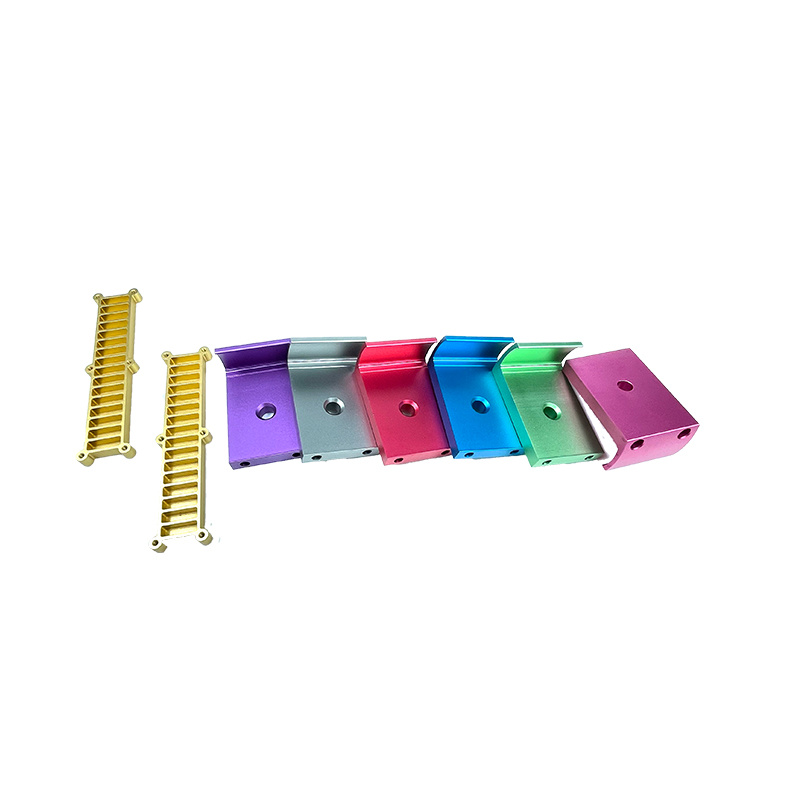
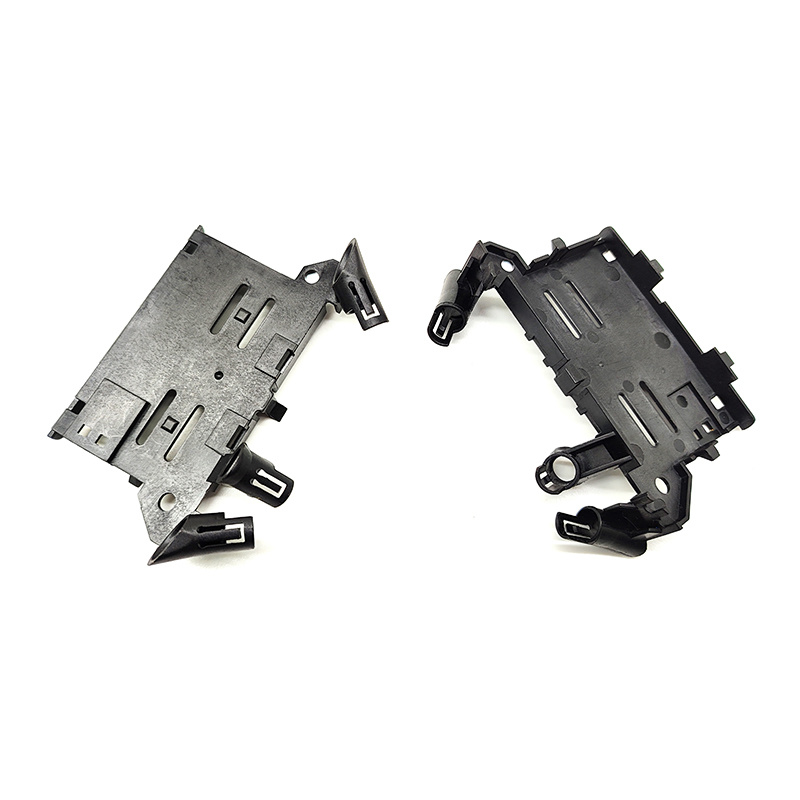
**Prototype tooling** refers to the creation of preliminary tool designs utilized in the manufacturing process. These tools are integral for testing concepts and designs before launching full-scale production. By utilizing prototype tooling, manufacturers can evaluate the functionality and performance of their products early in the development cycle, which ultimately leads to a more refined final output.
3. The Importance of Prototype Tooling in Manufacturing
Prototype tooling is not just a trend; it's a necessity in modern manufacturing. Understanding its importance can aid companies in realizing significant time and cost savings.
3.1 The Role of Prototype Tooling in Production Efficiency
Good price and quality Prototype tooling plays a critical role in streamlining production processes. By developing prototypes, manufacturers can identify potential issues and obstacles before they escalate into costly mistakes during full-scale production. This preemptive approach minimizes **downtime**, ensuring that production runs smoothly.
3.2 Cost-Effectiveness of Prototype Tooling
Investing in prototype tooling can lead to substantial savings. By resolving design flaws and production issues early on, companies can avoid expensive reworks and production delays. Moreover, the ability to create high-quality prototypes allows for better material utilization and reduces waste significantly.
4. How Prototype Tooling Reduces Production Time
The core benefit of prototype tooling is its ability to significantly reduce production time. This efficiency stems from several key factors.
4.1 Streamlining Design and Development Processes
With prototype tooling, manufacturers can quickly iterate designs based on feedback from prototype testing. This iterative process allows for rapid modifications and enhancements, ensuring that the final product meets all performance and quality expectations without unnecessary delays.
4.2 Early Testing and Validation
Prototype tooling facilitates early testing and validation of product designs. By simulating real-world conditions, manufacturers can assess functionality and identify potential problems, allowing for timely adjustments. This proactive approach reduces the risk of defects and accelerates the approval process for the transition into full production.
5. Case Studies: Successful Implementation of Prototype Tooling
Examining real-world examples provides insight into the transformative power of prototype tooling. Companies that have successfully harnessed this approach often report improved production timelines and enhanced product quality.
One notable case is a leading automotive manufacturer that integrated prototype tooling into their development process. By employing rapid prototyping techniques, they reduced their vehicle development cycle time by **30%**, enabling them to launch new models faster than their competitors.
Similarly, a consumer electronics company utilized prototype tooling to refine their product designs. This resulted in a 25% decrease in production time, allowing them to stay ahead in a rapidly evolving market.
6. Challenges in Prototype Tooling
Despite its advantages, prototype tooling is not without challenges. Companies may face hurdles such as high initial investment costs, the need for skilled personnel, and the potential for delays in the prototyping phase. Understanding these challenges enables manufacturers to develop strategies that mitigate risks and ensure successful implementation.
7. Emerging Trends in Prototype Tooling
The landscape of good price and quality prototype tooling is constantly evolving. Emerging technologies such as **3D printing**, **computer-aided design (CAD)**, and **digital twin** simulations are shaping the future of prototype tooling in significant ways. These innovations enhance the speed and accuracy of prototype development, providing manufacturers with even greater efficiency and flexibility.
8. Conclusion
Good price and quality prototype tooling is essential in today's manufacturing environment, serving as a catalyst for reducing production time and enhancing product quality. By embracing prototype tooling, companies can streamline their processes, mitigate risks, and ultimately achieve significant cost savings. As the industry continues to evolve, staying abreast of emerging trends and technologies will be crucial for maintaining a competitive edge.
Prototype tooling
Related news
2024-11-15