
Understanding Low Volume Production in Precision Machining
Time:
2024-10-06 12:00
Source:
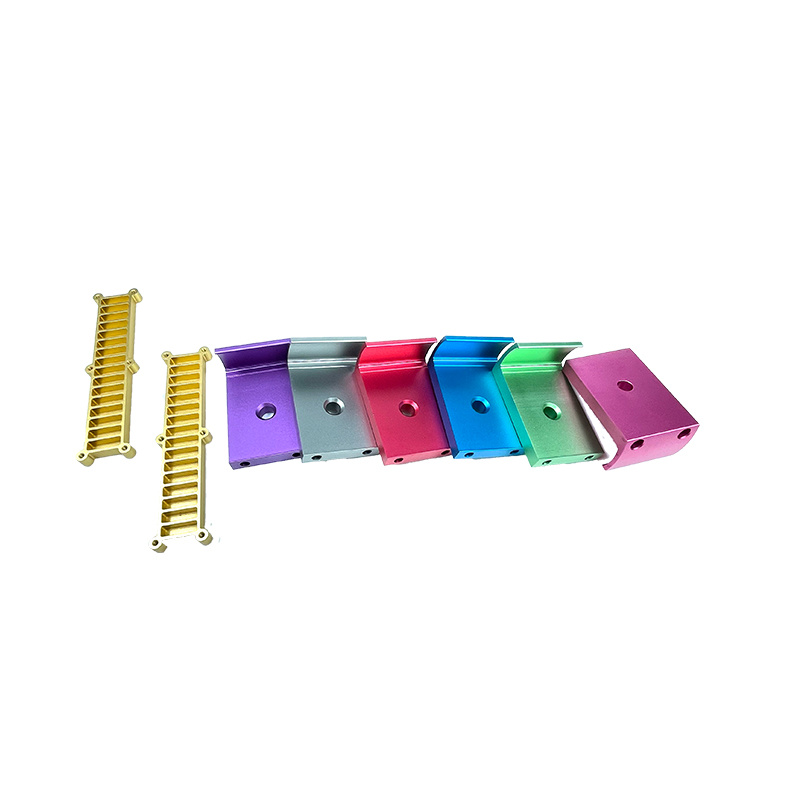
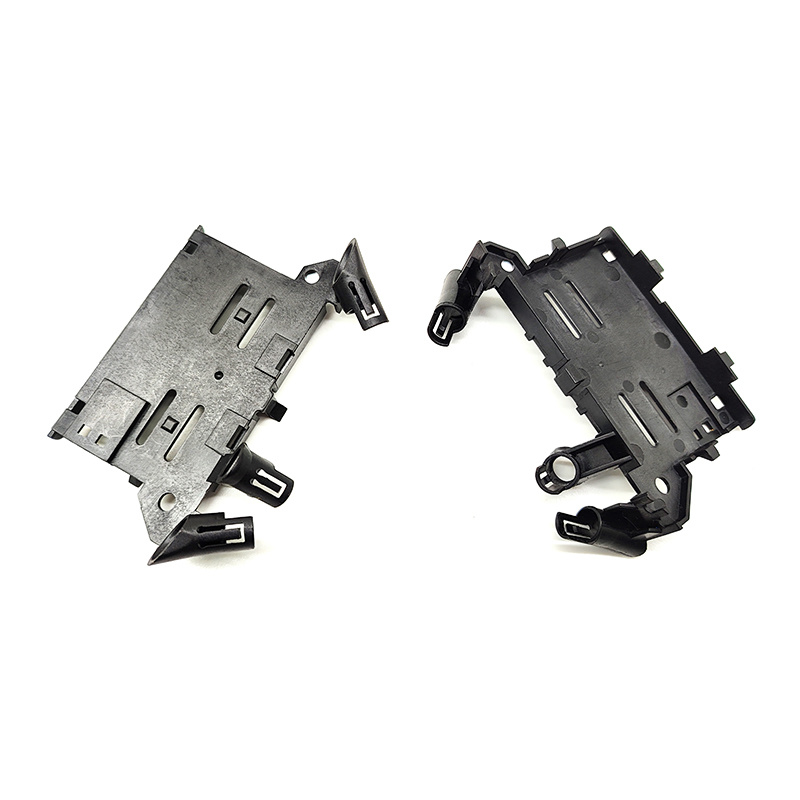
Low volume production refers to the manufacturing of components or products in smaller quantities, typically ranging from a few units to several hundred. This method is particularly relevant in the precision machining sector, where intricate and high-quality parts are often required for specific applications. In this article, we will delve into the key features of low volume production, its advantages, and ideal scenarios for implementation within the machining and hardware processing industry.
One of the primary benefits of low volume production is its ability to cater to specialized needs. Many industries require custom parts that are not feasible to produce in large quantities. Low volume production allows companies to focus on achieving high precision and quality without the pressure of meeting high-volume demands. This flexibility is crucial for sectors such as aerospace, automotive, and medical devices, where specifications can vary greatly from project to project.
Moreover, low volume production can significantly reduce lead times. When manufacturers are not tied to the constraints of mass production, they can quickly respond to customer needs and adapt to changes in design or specifications. This adaptability can lead to faster prototyping and product development cycles, allowing businesses to bring their innovations to market more swiftly.
Another important aspect of low volume production is cost-effectiveness. While the unit price may be higher than mass-produced items, the overall costs can be lower when considering the reduced waste and the ability to produce only what is needed. This means companies can avoid the financial strain of overproduction and excessive inventory, which is particularly beneficial for startups and small businesses that may have limited resources.
In the realm of machining, various technologies are available to facilitate low volume production. Techniques such as CNC machining, additive manufacturing, and precision casting allow for the creation of complex geometries and high tolerances, which are often required in precision parts. By leveraging these technologies, manufacturers can ensure that they deliver high-quality products tailored to their clients’ exact needs.
Furthermore, low volume production can support sustainable practices. By producing only what is necessary and minimizing waste, companies can reduce their environmental impact. This aligns with the growing emphasis on sustainability in manufacturing, making low volume production an appealing choice for environmentally-conscious organizations.
In conclusion, low volume production plays a significant role in the precision machining industry. It offers a pathway for businesses to produce high-quality, customized parts while maintaining flexibility and cost-effectiveness. By understanding and implementing low volume production strategies, companies can enhance their manufacturing capabilities and meet the unique demands of their clients efficiently.
low Volume production
Related news
2024-11-15