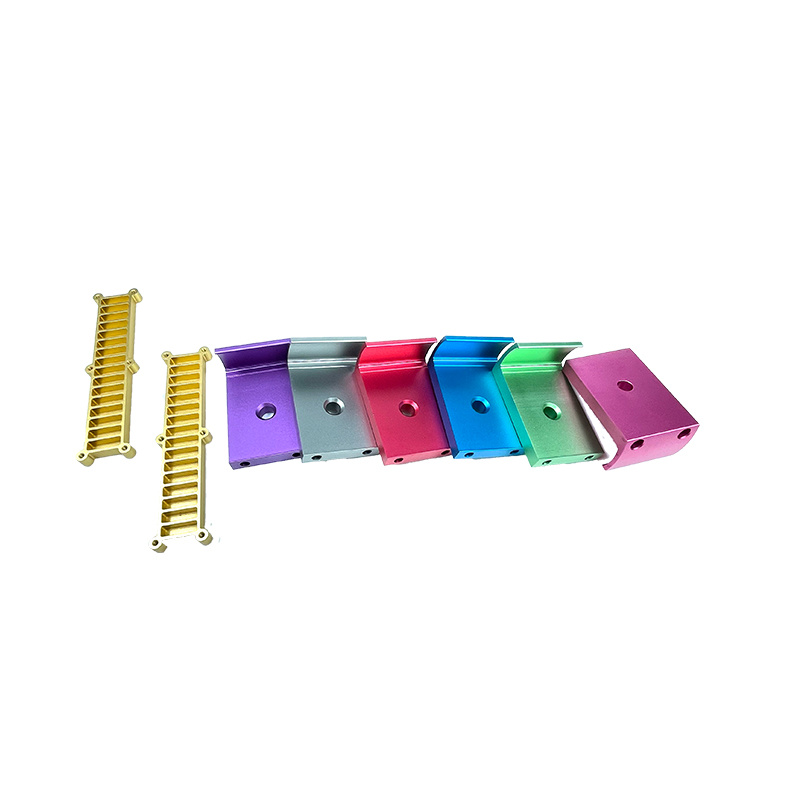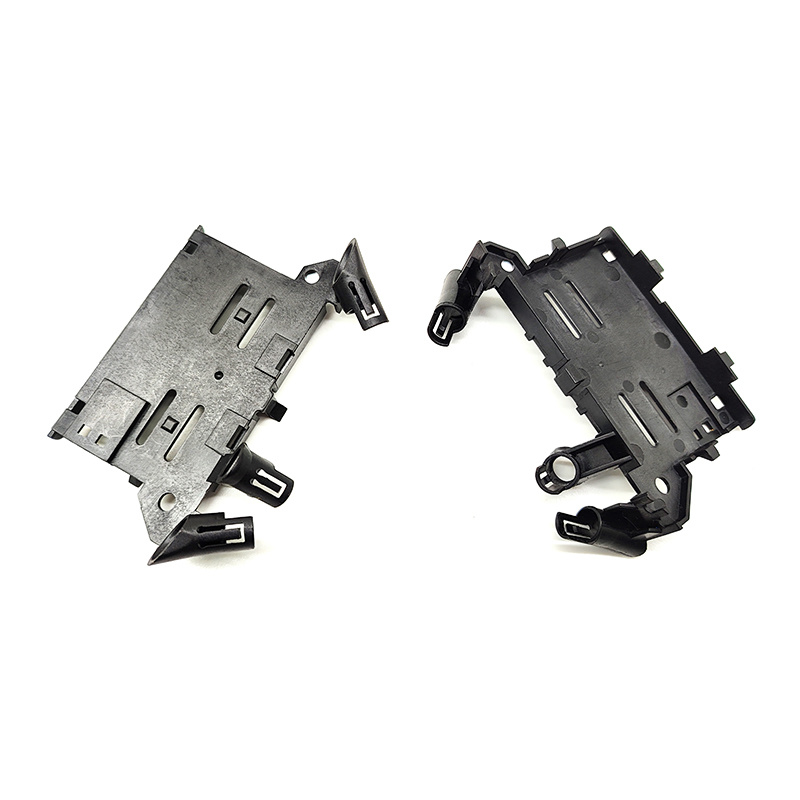

Why Manufacturers Are Turning to Rapid Injection Molding Techniques: Transforming Production Efficiency
Time:
2024-10-07 11:00
Source:
Rapid injection molding is a process that combines the speed of 3D printing with the efficiency of traditional injection molding. It allows manufacturers to produce high-quality plastic parts quickly and at a reduced cost. This technique is particularly beneficial for creating prototypes, low-volume production runs, or custom parts.
The Process of Rapid Injection Molding
The rapid injection molding process involves several steps:
1. Design Phase: The process begins with creating a CAD (Computer-Aided Design) model of the part. This model serves as the blueprint for production.
2. 3D Printing of Molds: Using advanced 3D printing technologies, manufacturers create molds that can be used for injection molding. This step significantly reduces lead times compared to traditional machining methods.
3. Injection Molding: The printed molds are then used to inject molten plastic into the cavities, forming the desired parts.
4. Quality Control: After production, parts undergo rigorous quality checks to ensure they meet the required specifications.
Types of Materials Used in Rapid Injection Molding
The materials used in rapid injection molding vary, but they typically include:
- Thermoplastics: These are the most common materials, known for their durability and flexibility. Examples include ABS, polycarbonate, and nylon.
- Thermosetting Plastics: These materials harden permanently after being molded, making them ideal for specific applications.
- Elastomers: These rubber-like materials are used for parts requiring flexibility and resilience.
Benefits of Rapid Injection Molding Techniques
The adoption of rapid injection molding techniques offers numerous advantages for manufacturers:
1. Reduced Lead Times
One of the biggest selling points of rapid injection molding is its ability to significantly reduce lead times. Traditional injection molding often requires weeks or even months to produce molds. In contrast, rapid injection molding can reduce this time to just days, allowing manufacturers to respond quickly to market demands.
2. Cost Efficiency
By minimizing the time and resources needed for mold production, rapid injection molding reduces overall costs. This is especially beneficial for low-volume production runs, where traditional methods can be prohibitively expensive.
3. Flexibility and Customization
Rapid injection molding allows manufacturers to easily make design changes without incurring significant costs. This is particularly advantageous in industries where customer preferences can shift rapidly.
4. Improved Product Quality
Thanks to advanced manufacturing technologies, parts produced through rapid injection molding often exhibit superior quality compared to those made through conventional methods. The precision of 3D printing ensures that molds are accurate, resulting in high-quality finished products.
5. Enhanced Testing and Prototyping
The speed of rapid injection molding makes it an excellent choice for prototyping. Manufacturers can quickly iterate on designs, test functionality, and make improvements without lengthy delays.
Applications of Rapid Injection Molding Techniques
Rapid injection molding is applicable across a wide range of industries, including:
1. Automotive Industry
In the automotive sector, manufacturers use rapid injection molding to produce various components, such as interior parts, housings, and prototypes. The ability to create parts quickly allows for more efficient design and testing cycles.
2. Medical Devices
The medical industry benefits from rapid injection molding by enabling the production of precise and complex medical devices. This technique allows for quick adjustments based on regulatory requirements and market feedback.
3. Consumer Electronics
With the fast-paced nature of consumer electronics, rapid injection molding helps companies launch new products faster. This technique allows for the quick production of housings, knobs, and other components.
4. Aerospace
The aerospace industry relies on rapid injection molding for the production of lightweight and durable parts. This method supports the rigorous standards required for safety and performance in aviation.
5. Packaging
Rapid injection molding is also widely used in packaging applications, enabling the production of custom packaging solutions that can accommodate unique product shapes and sizes.
Challenges of Rapid Injection Molding Techniques
While rapid injection molding offers numerous benefits, there are some challenges to consider:
1. Initial Investment
Although costs per unit may decrease with rapid injection molding, the initial investment in 3D printing technology and materials can be significant. Manufacturers must weigh these costs against potential long-term savings.
2. Material Limitations
Not all materials are suitable for rapid injection molding. Manufacturers need to carefully select materials that can withstand the injection process while meeting their specific performance requirements.
3. Limited Production Volume
Rapid injection molding is most effective for low to medium production volumes. For high-volume production runs, traditional methods may still be more cost-effective.
Future Trends in Rapid Injection Molding
As technology continues to advance, rapid injection molding is expected to evolve further. Some future trends include:
1. Advanced Materials
The development of new materials compatible with rapid injection molding will enhance the range of applications and improve performance characteristics.
2. Automation and Smart Manufacturing
Integrating automation technologies within rapid injection molding processes will increase efficiency, reduce costs, and minimize human error.
3. Sustainability Initiatives
Manufacturers are increasingly focusing on sustainability. Rapid injection molding can contribute to this goal by reducing waste and allowing for the use of recycled materials.
The shift towards rapid injection molding techniques marks a pivotal moment in the manufacturing industry. As companies seek ways to enhance efficiency, reduce costs, and improve product quality, rapid injection molding emerges as a powerful solution. Its ability to minimize lead times, provide flexibility, and support innovation positions it as a key player in the future of manufacturing. Manufacturers who embrace this technology will not only meet today’s demands but also prepare for the challenges of tomorrow.
rapid injection molding
Related news
2024-11-15