Unlocking the Benefits of Prototype CNC Machining for Advanced Manufacturing
Time:
2024-10-14 10:00
Source:
In the realm of manufacturing, especially within the mechanical hardware and component processing industry, prototype CNC machining has emerged as a pivotal technique. This advanced method offers manufacturers the ability to create precise and high-quality prototypes, which can significantly reduce development time and improve overall product reliability.
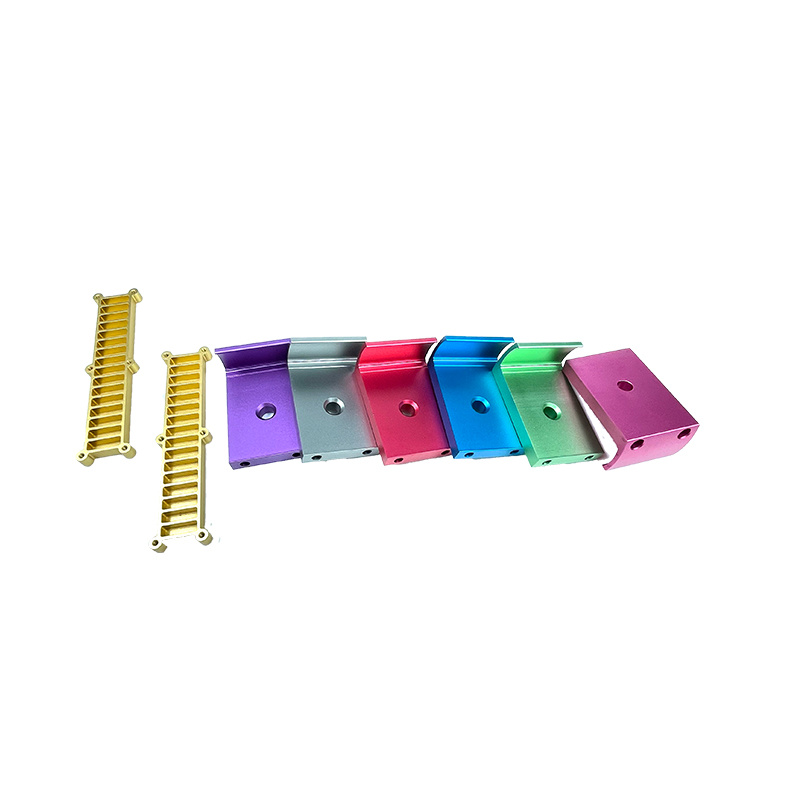
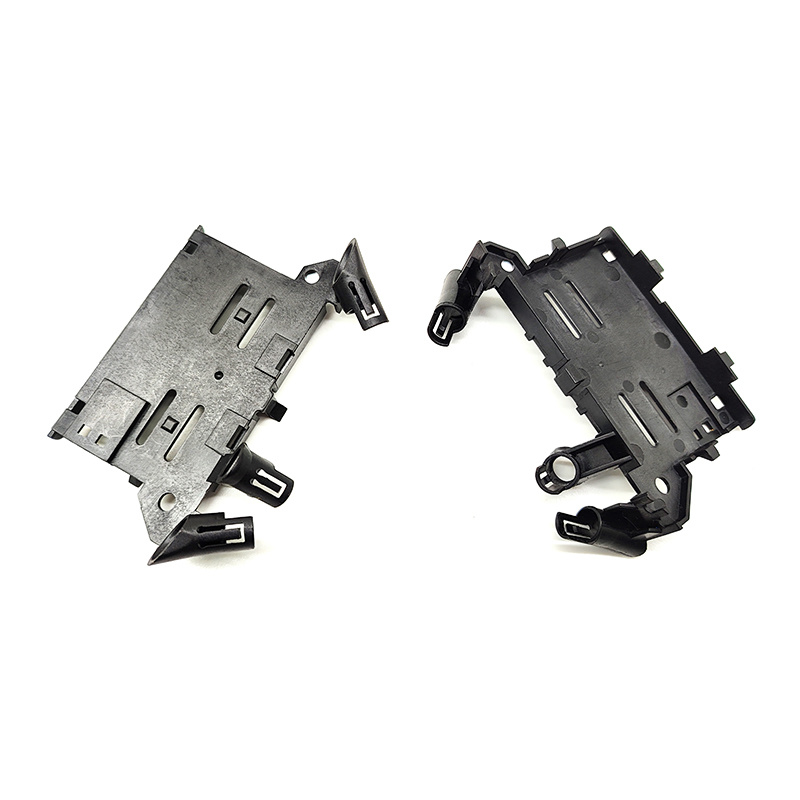
Prototype CNC machining utilizes computer numerical control (CNC) technology to automate the machining process, allowing for exceptional precision and repeatability. One of the key benefits of this approach is its ability to produce intricate designs that may be challenging or impossible to achieve using traditional machining methods. This is particularly useful when developing components that require tight tolerances and complex geometries.
Moreover, the speed at which prototypes can be developed using CNC machining is another significant advantage. Unlike conventional machining processes that may involve lengthy manual setups and adjustments, CNC machines can quickly switch from one design to another through programmed instructions. This rapid turnaround is critical when time-to-market is a priority, enabling manufacturers to test and iterate on designs more efficiently.
In addition to speed, prototype CNC machining also enhances the ability to test and validate designs before committing to full-scale production. By creating prototypes, manufacturers can identify potential design flaws, performance issues, or manufacturing challenges early in the development process. This proactive approach not only saves time and resources later on but also fosters innovation by allowing engineers to experiment with different materials and configurations without the risk associated with larger production runs.
Another important aspect is the versatility of materials available for prototype CNC machining. Manufacturers can work with a wide range of materials, including metals, plastics, and composites, providing the flexibility to choose the best options for their specific applications. This material diversity allows for more robust and functional prototypes that can better mimic the final product.
In conclusion, prototype CNC machining is a transformative process for the manufacturing industry, particularly in mechanical hardware and component processing. By leveraging its precision, speed, and material versatility, manufacturers can create high-quality prototypes that facilitate better design validation and reduce time-to-market. Embracing this technology can lead to more successful product launches and a competitive edge in the ever-evolving landscape of manufacturing.
prototype CNC machining
Related news
2024-11-15