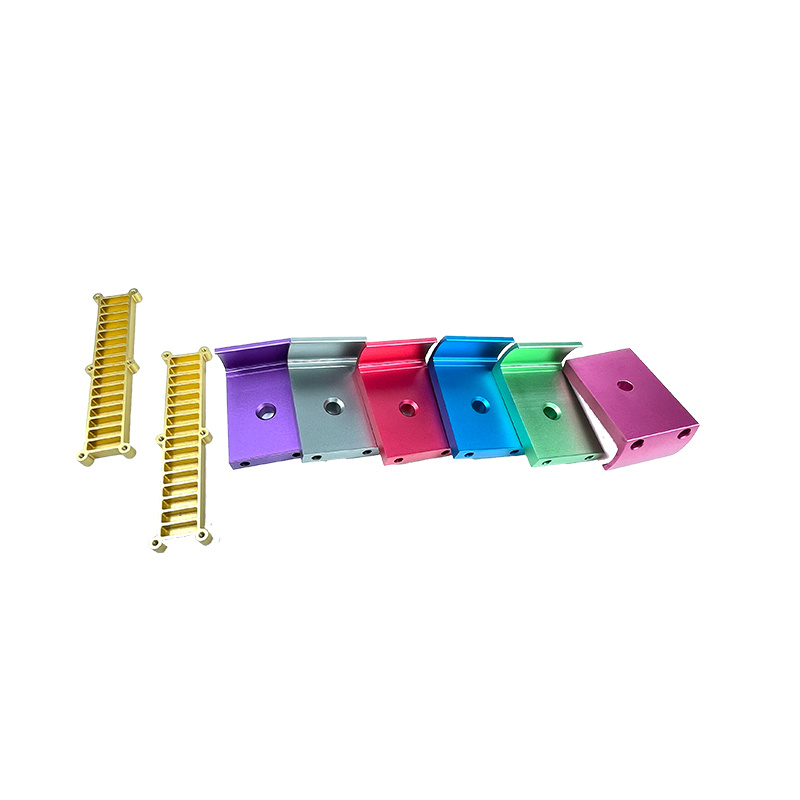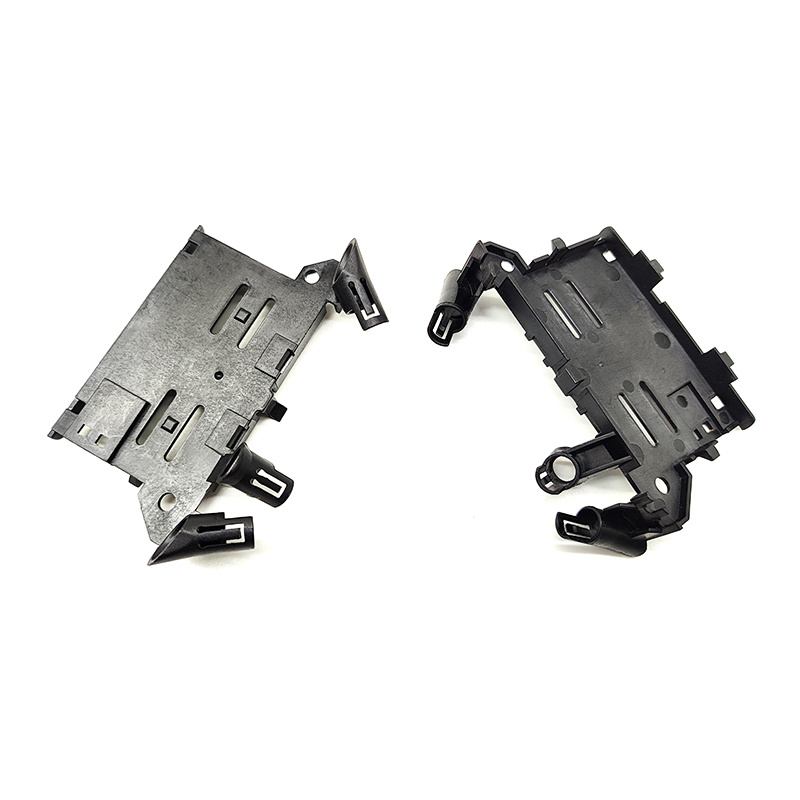

Customized Rapid Injection Molding: A Game Changer for Plastic Parts Production
Time:
2024-10-16 10:00
Source:
Customized Rapid injection molding products are transforming the landscape of plastic parts manufacturing. In an industry where time-to-market is critical, this innovative technique allows manufacturers to produce high-quality parts faster and more efficiently than traditional methods. By understanding the intricacies of rapid injection molding, companies can capitalize on its benefits, enhancing both productivity and profitability.
What is Rapid Injection Molding?
Customized Rapid injection molding is a manufacturing process that utilizes advanced technology to create plastic parts with precision and speed. Unlike traditional injection molding, which may take weeks to set up, rapid injection molding can produce prototypes, and small to medium-sized production runs in a fraction of the time. This process often employs specialized materials and tools, enabling manufacturers to quickly adapt to fluctuating market demands.
Key Characteristics of Rapid Injection Molding
Rapid injection molding is characterized by several key features:
- Speed: The process significantly reduces lead times, allowing businesses to respond quickly to market needs.
- Cost-Effectiveness: Initial tooling costs may be higher, but the overall savings in production time and material waste can lead to lower costs per part.
- Quality: Enhanced control over the molding process results in high-quality, consistent parts.
Benefits of Rapid Injection Molding
The advantages of adopting rapid injection molding are numerous. Here are some of the most significant benefits:
1. Reduced Time-to-Market
Customized rapid injection molding enables companies to bring their products to market faster. With quicker prototyping and production capabilities, businesses can meet customer demands more effectively.
2. Enhanced Flexibility
This process allows for easy modifications to designs, accommodating changes in customer requirements without extensive retooling.
3. Lower Production Costs
While the initial investment may be higher, the overall reduction in material waste, labor costs, and production time leads to lower costs per unit.
4. High Precision and Quality
Rapid injection molding provides greater control over the manufacturing process, resulting in parts with superior surface finishes and dimensional accuracy.
Applications of Rapid Injection Molding
Customized rapid injection molding is widely used across various industries due to its versatility and efficiency. Here are some common applications:
1. Automotive Industry
In the automotive sector, rapid injection molding is essential for producing components such as dashboards, switches, and housings. The ability to create lightweight, durable parts helps manufacturers meet strict regulations and consumer expectations.
2. Consumer Electronics
Rapid injection molding facilitates the production of intricate parts found in smartphones, laptops, and other electronic devices. The fast turnaround allows companies to keep pace with the fast-evolving technology market.
3. Medical Devices
In healthcare, precision is paramount. Rapid injection molding is utilized to manufacture high-quality medical devices, ensuring they meet stringent safety standards.
4. Industrial Equipment
Manufacturers of industrial machinery and equipment rely on rapid injection molding for producing functional prototypes and high-volume production runs.
How Rapid Injection Molding Works
The rapid injection molding process involves several key steps:
1. Design and Prototyping
The journey begins with creating a digital model of the part using computer-aided design (CAD) software. This model serves as the blueprint for the mold.
2. Mold Fabrication
Using advanced CNC machining techniques, the mold is created from durable materials such as aluminum or hardened steel. This stage can be completed in days rather than weeks.
3. Injection Process
Once the mold is ready, the thermoplastic material is heated until molten and injected into the mold cavity. The material cools and solidifies, taking the shape of the mold.
4. Quality Control
After the parts are ejected, they undergo rigorous testing to ensure they meet quality specifications. Any necessary adjustments can be made quickly to improve outcomes.
Materials Used in Rapid Injection Molding
The choice of materials is critical in customized rapid injection molding. Common materials include:
1. Thermoplastics
These materials can be reheated and reshaped, making them ideal for injection molding. Popular thermoplastics include ABS, polycarbonate, and polypropylene.
2. Engineering Plastics
For applications requiring higher strength and durability, engineering plastics like nylon and PEEK are frequently used.
3. Soft Plastics
Materials such as thermoplastic elastomers (TPE) are employed for parts that require flexibility and elasticity.
Challenges and Considerations in Rapid Injection Molding
While rapid injection molding offers many advantages, it's essential to consider potential challenges:
1. Initial Investment
The upfront costs for tooling and materials can be significant, which may deter smaller manufacturers from adopting this technology.
2. Limitations on Part Size
Customized rapid injection molding is generally more suited for small to medium-sized parts. Larger components may require alternative manufacturing methods.
3. Technical Expertise
The process demands a skilled workforce familiar with advanced machinery and CAD software.
The Future of Rapid Injection Molding
As technology continues to evolve, the future of rapid injection molding looks promising. Innovations in materials, automation, and AI-driven processes are set to enhance efficiency and reduce costs even further. Companies that embrace these advancements will likely gain a competitive edge in the plastic manufacturing landscape.
Conclusion
Customized rapid injection molding is undeniably a game changer in the production of plastic parts. The ability to produce high-quality components quickly and cost-effectively has positioned this technology as a vital tool for manufacturers across various industries. As we look to the future, continued advancements in this field promise to unlock even greater possibilities for innovation and efficiency.
Rapid injection molding
Related news
2024-11-15