Understanding Rapid CNC Machining: A Game-Changer in Precision Manufacturing
Time:
2024-10-18 10:00
Source:
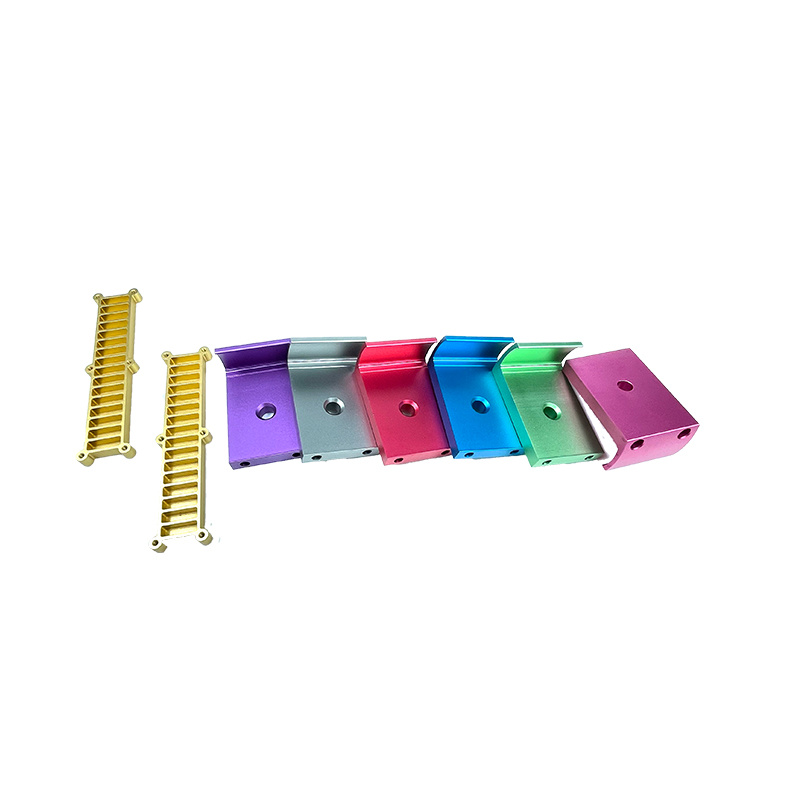
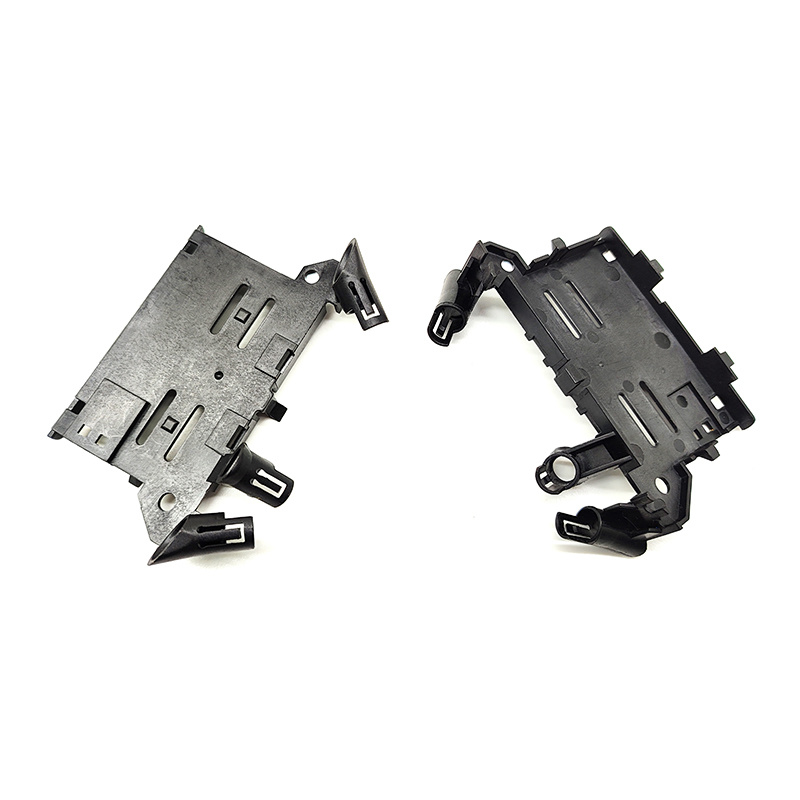
Rapid CNC machining is revolutionizing the manufacturing landscape, particularly in the fields of mechanical hardware processing and parts fabrication. This advanced technique leverages computer numerical control (CNC) technology to produce intricate parts quickly and accurately, making it a favored choice among manufacturers seeking to optimize production timelines and maintain high standards of quality.
At its core, rapid CNC machining combines speed with precision. Traditional machining methods often require extended lead times due to manual setups and adjustments. In contrast, rapid CNC machining automates these processes, allowing for swift transitions between different production tasks. This means that manufacturers can respond more effectively to changing market demands, produce prototypes rapidly, and reduce time-to-market for new products.
One of the standout features of rapid CNC machining is its capability to work with a wide variety of materials, including metals, plastics, and composites. This versatility is crucial for industries that demand tailored solutions. When producing complex geometries, CNC machining utilizes advanced software to design and simulate the machining process, ensuring maximum efficiency and minimizing waste. This not only conserves resources but also aligns with modern sustainability practices.
Precision is paramount in the manufacturing industry, and rapid CNC machining excels in this regard. The technology allows for tolerances as tight as a few thousandths of an inch, which is essential for applications in aerospace, automotive, and medical sectors where even the slightest deviation can lead to significant failures. The repeatability of CNC machining ensures that every part produced meets the same high standards, which is vital for maintaining quality control.
Additionally, rapid CNC machining supports rapid prototyping. Manufacturers can create prototypes quickly and iterate on designs with ease. This iterative process fosters innovation, as designers can test and refine their concepts before committing to full-scale production. It significantly reduces development costs and time, allowing companies to bring their products to market faster.
However, it is essential for businesses to understand that while rapid CNC machining offers numerous advantages, it is vital to partner with experienced professionals who can provide the required expertise in setting up and operating CNC machinery. Choosing the right technology and understanding the specific needs of a project can greatly affect the overall success of the machining process.
In conclusion, rapid CNC machining stands out as a transformative force in the manufacturing industry, offering unmatched speed, precision, and flexibility in part production. As technology continues to evolve, staying informed about these advancements will be crucial for businesses aiming to thrive in a competitive marketplace. Embracing rapid CNC machining could very well be the key to unlocking new opportunities and achieving operational excellence.
rapid CNC machining
Related news
2024-11-15