Understanding Precision CNC Machining: Elevating Manufacturing Standards
Time:
2024-10-22 09:40
Source:
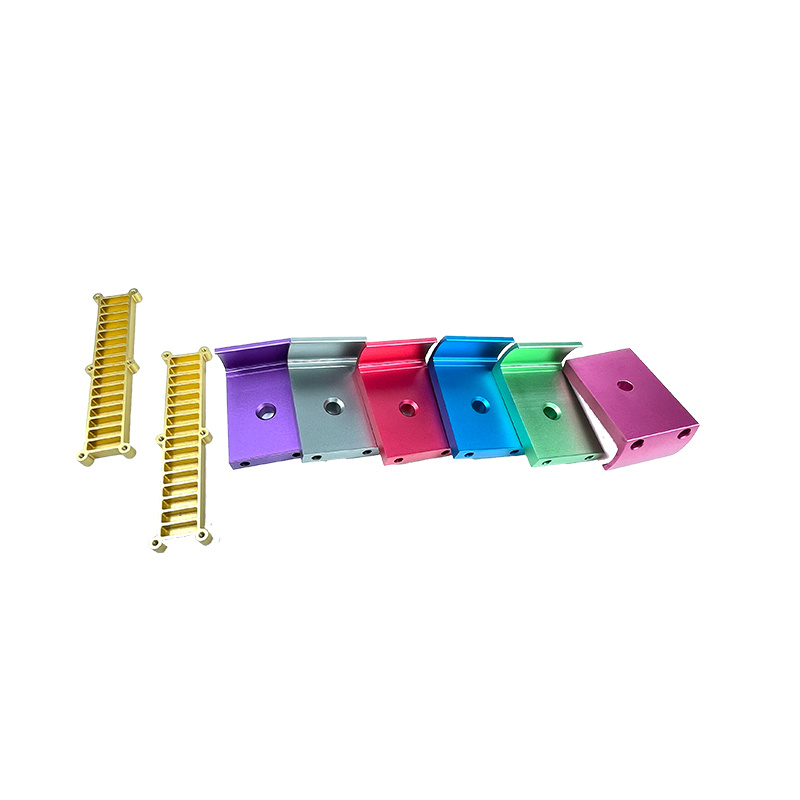
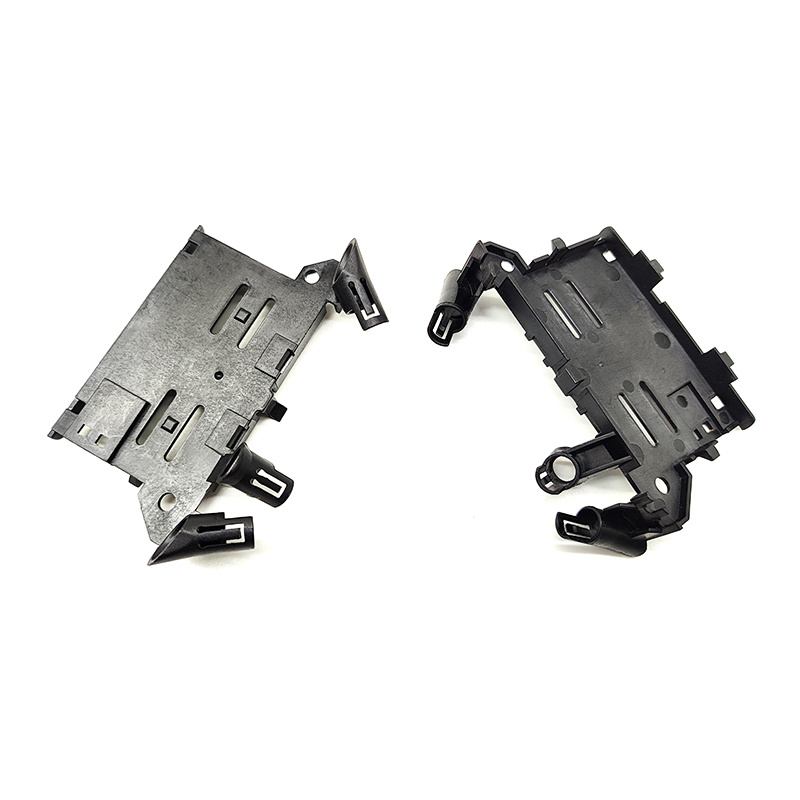
Precision CNC machining is a revolutionary technique in the manufacturing sector, particularly in mechanical hardware processing and parts fabrication. This process utilizes computer numerical control (CNC) technology to achieve high levels of accuracy and repeatability, making it an indispensable method for producing complex parts from various materials, including metals, plastics, and composites.
At the heart of precision CNC machining lies the ability to create intricate designs with tight tolerances. Traditional machining methods often struggle with maintaining consistency over time, but CNC machines are programmed to perform the same operations with remarkable precision, ensuring that each part produced meets specific measurements and specifications. This precision is critical in industries such as aerospace, automotive, and medical device manufacturing, where even the slightest deviation can lead to significant failures.
One of the key benefits of precision CNC machining is its efficiency. The automated nature of CNC machines allows for faster production cycles compared to manual machining techniques. Once a design is programmed into the CNC software, machines can operate continuously, reducing the time required to produce multiple parts. This not only streamlines the manufacturing process but also lowers labor costs and minimizes human error, resulting in higher overall quality.
Moreover, precision CNC machining offers unparalleled versatility. CNC machines can perform a variety of operations, including milling, turning, drilling, and grinding, all with the same equipment. This adaptability enables manufacturers to switch between different tasks without needing to invest in multiple machines, saving both space and resources.
Another aspect to consider is the range of materials that can be processed using precision CNC machining. From aluminum and stainless steel to more complex materials like titanium and high-performance plastics, the capability to work with diverse materials makes CNC machining a preferred choice for many manufacturers. This flexibility allows businesses to innovate and respond to market demands more effectively.
Furthermore, the advancements in CNC technology have led to the integration of software that enhances design capabilities. CAD (Computer-Aided Design) software allows engineers to create detailed 3D models that can be directly translated into CNC machine instructions. This seamless transition from design to production ensures that the final product aligns perfectly with the initial vision, significantly improving the development process.
In summary, precision CNC machining is a cornerstone of modern manufacturing, known for its accuracy, efficiency, and versatility. By leveraging this technology, manufacturers can produce high-quality parts that meet rigorous industry standards, driving innovation and competitiveness in the marketplace. As industries continue to evolve, the importance of precision CNC machining in streamlining production and enhancing product quality will only grow, making it an essential consideration for any business involved in mechanical hardware processing and parts fabrication.
At the heart of precision CNC machining lies the ability to create intricate designs with tight tolerances. Traditional machining methods often struggle with maintaining consistency over time, but CNC machines are programmed to perform the same operations with remarkable precision, ensuring that each part produced meets specific measurements and specifications. This precision is critical in industries such as aerospace, automotive, and medical device manufacturing, where even the slightest deviation can lead to significant failures.
One of the key benefits of precision CNC machining is its efficiency. The automated nature of CNC machines allows for faster production cycles compared to manual machining techniques. Once a design is programmed into the CNC software, machines can operate continuously, reducing the time required to produce multiple parts. This not only streamlines the manufacturing process but also lowers labor costs and minimizes human error, resulting in higher overall quality.
Moreover, precision CNC machining offers unparalleled versatility. CNC machines can perform a variety of operations, including milling, turning, drilling, and grinding, all with the same equipment. This adaptability enables manufacturers to switch between different tasks without needing to invest in multiple machines, saving both space and resources.
Another aspect to consider is the range of materials that can be processed using precision CNC machining. From aluminum and stainless steel to more complex materials like titanium and high-performance plastics, the capability to work with diverse materials makes CNC machining a preferred choice for many manufacturers. This flexibility allows businesses to innovate and respond to market demands more effectively.
Furthermore, the advancements in CNC technology have led to the integration of software that enhances design capabilities. CAD (Computer-Aided Design) software allows engineers to create detailed 3D models that can be directly translated into CNC machine instructions. This seamless transition from design to production ensures that the final product aligns perfectly with the initial vision, significantly improving the development process.
In summary, precision CNC machining is a cornerstone of modern manufacturing, known for its accuracy, efficiency, and versatility. By leveraging this technology, manufacturers can produce high-quality parts that meet rigorous industry standards, driving innovation and competitiveness in the marketplace. As industries continue to evolve, the importance of precision CNC machining in streamlining production and enhancing product quality will only grow, making it an essential consideration for any business involved in mechanical hardware processing and parts fabrication.
precision CNC machining
Related news
2024-11-15