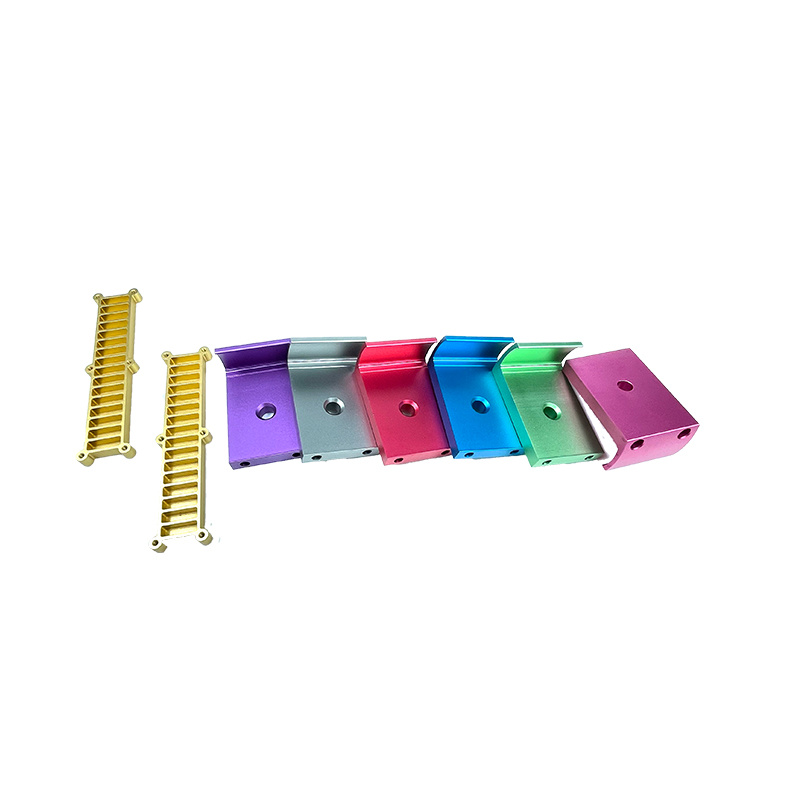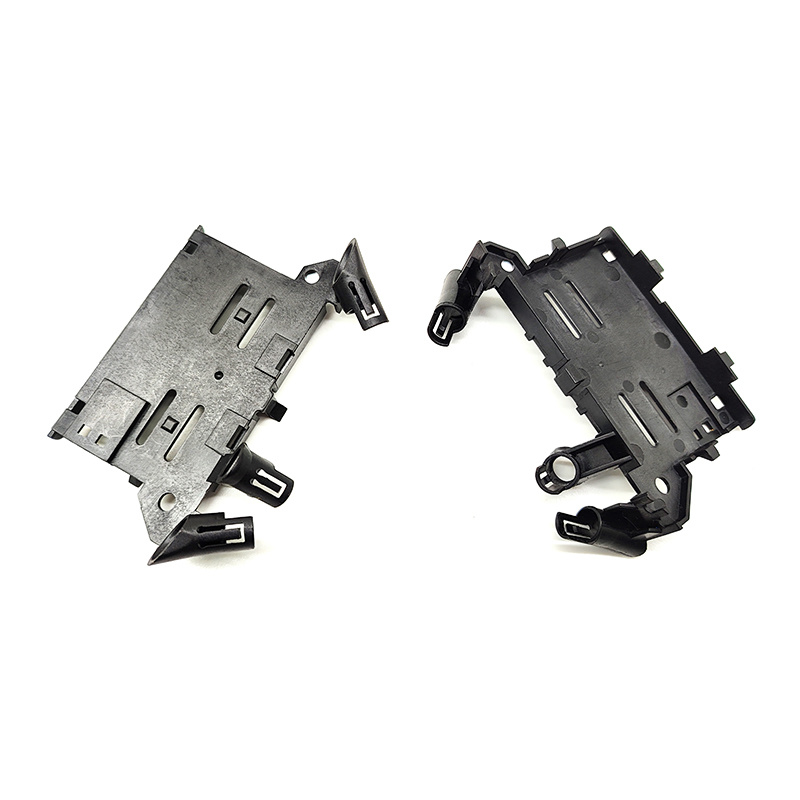
Unlocking Precision: What You Need to Know About CNC Machining Parts
Time:
2024-10-24 09:40
Source:
Unlocking Precision: What You Need to Know About CNC Machining Parts
Table of Contents
- Introduction to CNC Machining Parts
- What is CNC Machining?
- How CNC Machining Works
- Benefits of CNC Machining Parts
- Applications of CNC Machining in Various Industries
- Materials Commonly Used in CNC Machining
- Choosing the Right CNC Machining Service
- The Future of CNC Machining Technology
- Frequently Asked Questions
- Conclusion
Introduction to CNC Machining Parts
CNC (Computer Numerical Control) machining is a revolutionary technology that has transformed the manufacturing landscape. By utilizing pre-programmed software, CNC machines can precisely control tools and machinery, enabling the production of intricate parts with unmatched accuracy. This introduction sets the stage for a deeper exploration of CNC machining parts, their significance in various industries, and how they contribute to overall production efficiency.
What is CNC Machining?
CNC machining is a process that involves the use of computers to control machine tools. This technology allows for the automated creation of complex parts and components, significantly reducing the margin for human error. The essence of CNC machining lies in its ability to interpret a digital code and translate it into precise movements of machinery.
Types of CNC Machines
CNC machines come in various types, each suited for specific machining tasks. The most common types include:
- **CNC Milling Machines:** These machines use a rotating tool to remove material from a stationary workpiece.
- **CNC Lathes:** In lathes, the workpiece is rotated against a stationary cutting tool, allowing for the creation of cylindrical parts.
- **CNC Routers:** Often used for cutting softer materials, routers provide versatility in design and application.
- **CNC Plasma Cutters:** These machines utilize a plasma arc to cut through conductive materials, making them ideal for metal fabrication.
How CNC Machining Works
The CNC machining process begins with a design, often created using CAD (Computer-Aided Design) software. This digital model is then converted into a CNC program, generating a set of instructions for the machine. The machine interprets these instructions to control its movements and operations, ensuring precision and consistency in production.
The CNC Machining Process Steps
1. **Design Creation:** Utilize CAD software to create a detailed design of the part.
2. **Conversion to G-code:** The design is converted into G-code, a programming language that CNC machines understand.
3. **Setup:** The CNC machine is set up with the appropriate tools and materials.
4. **Machining:** The machine executes the G-code instructions, effectively carving out the part from the raw material.
5. **Quality Control:** Finally, the finished part undergoes inspection to ensure it meets the required specifications.
Benefits of CNC Machining Parts
CNC machining offers numerous advantages that enhance manufacturing processes:
1. Precision and Accuracy
CNC machines achieve tolerances of up to ±0.001 inches, making them perfect for applications requiring high precision.
2. Reproducibility
Once the CNC program is established, it can be used to produce identical parts consistently, reducing variability in production.
3. Versatility
CNC machining can work with a wide range of materials, including metals, plastics, and composites, making it suitable for various applications.
4. Automation
By minimizing human intervention, CNC machines reduce the risk of errors and accidents, leading to safer work environments.
5. Efficiency and Speed
CNC machining can significantly reduce production time, allowing companies to meet tight deadlines and enhance productivity.
Applications of CNC Machining in Various Industries
CNC machining is pivotal in several industries, each leveraging its capabilities for different applications:
Aerospace Industry
In the aerospace sector, CNC machining is used to produce complex components such as engine parts, brackets, and housings. The high precision required in this industry makes CNC machining indispensable.
Automotive Manufacturing
Automakers rely on CNC machining to manufacture critical parts like engine blocks, transmission components, and custom tools, ensuring durability and performance.
Medical Industry
CNC machining is widely used to create surgical instruments, implants, and prosthetics, where precision and biocompatibility are paramount.
Electronics
The electronics industry benefits from CNC machining for producing intricate parts like circuit boards and enclosures, where precision can impact functionality.
Materials Commonly Used in CNC Machining
CNC machining can accommodate various materials based on the specific requirements of the part being produced:
1. Metals
- **Aluminum:** Lightweight and corrosion-resistant, aluminum is commonly used in aerospace and automotive applications.
- **Steel:** Known for its strength, steel is utilized in heavy machinery and structural components.
- **Titanium:** With exceptional strength-to-weight ratio, titanium is favored in aerospace and medical applications.
2. Plastics
- **Acrylic:** This material is often used for its clarity and ease of fabrication.
- **Polycarbonate:** Known for its durability, polycarbonate is commonly used in protective equipment.
3. Composites
Composite materials combine two or more substances to enhance performance characteristics, frequently utilized in aerospace and automotive industries.
Choosing the Right CNC Machining Service
Selecting the right CNC machining service is critical for achieving high-quality results. Here are some factors to consider:
1. Expertise and Experience
Look for a service provider with a proven track record in the industry and experience with the specific materials and processes you need.
2. Technology and Equipment
Ensure that the service provider uses up-to-date machinery and technology to deliver precise and efficient machining services.
3. Quality Assurance
Inquire about the quality control measures in place to ensure that the final products meet your specifications.
4. Customer Support
Reliable customer support can help address any concerns and facilitate effective communication throughout the project.
The Future of CNC Machining Technology
The future of CNC machining is bright, with ongoing advancements in technology poised to enhance capabilities even further. Innovations such as additive manufacturing integration, artificial intelligence, and the Internet of Things (IoT) are set to revolutionize CNC machining, allowing for greater efficiency, sustainability, and customization.
Frequently Asked Questions
1. What is the difference between manual and CNC machining?
Manual machining requires human operators to control the machine tools, while CNC machining is automated and controlled by computer programs, resulting in higher precision and efficiency.
2. How long does it take to produce a CNC machined part?
The production time can vary based on the complexity of the part and the machining processes used. Typically, simpler parts can be produced within hours, while more complex designs may take several days.
3. Are there any limitations to CNC machining?
While CNC machining is highly versatile, it may not be suitable for certain complex geometries that require additive manufacturing techniques.
4. Can CNC machining be used for both prototyping and mass production?
Yes, CNC machining is effective for both prototyping, where quick iterations are needed, and mass production, where consistent quality and speed are essential.
5. What industries benefit the most from CNC machining?
Industries such as aerospace, automotive, medical, and electronics significantly benefit from CNC machining due to its precision, efficiency, and versatility.
Conclusion
CNC machining plays a vital role in modern manufacturing, unlocking unparalleled precision and efficiency for producing intricate parts across various industries. By understanding the fundamental aspects of CNC machining, including its processes, benefits, and applications, businesses can harness this technology to improve product quality and streamline production. As we look to the future, advancements in CNC technology promise to drive innovation and open new avenues for manufacturing excellence. Embracing CNC machining could be the key to staying competitive in an ever-evolving industry landscape.
CNC machining parts
Related news
2024-11-15