Understanding CNC Machining Parts: A Comprehensive Guide for Manufacturing Professionals
Time:
2024-10-26 10:00
Source:
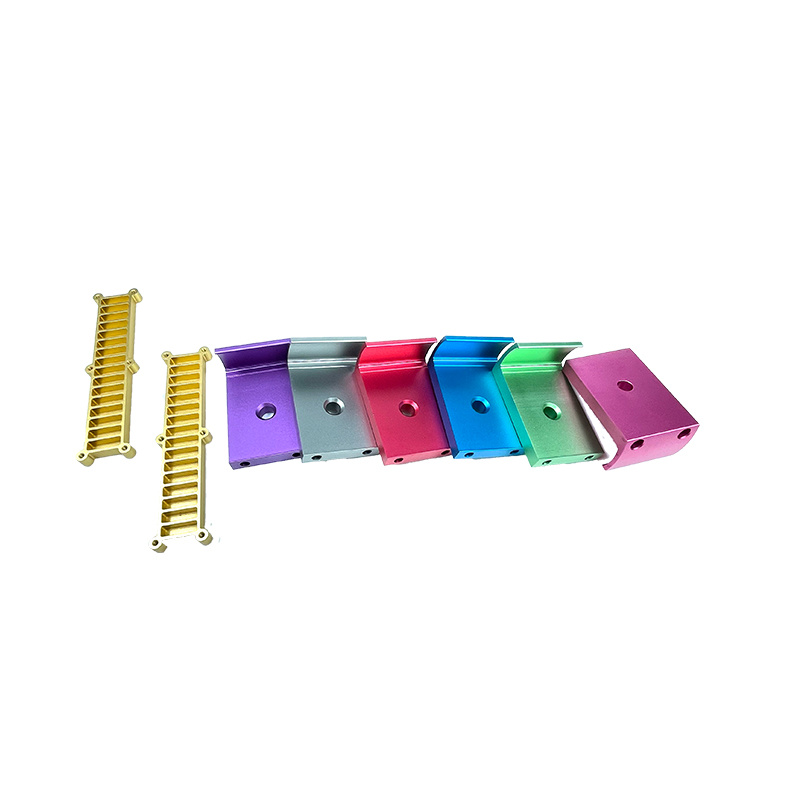
CNC (Computer Numerical Control) machining is a process that utilizes computer programming to control machine tools, enabling precise and efficient fabrication of parts. CNC machining parts are essential in various industries, including automotive, aerospace, and electronics, due to their accuracy, repeatability, and versatility in producing intricate designs.
One of the primary advantages of CNC machining is its ability to create complex geometries that would be challenging, if not impossible, to achieve through traditional machining methods. This technology allows manufacturers to produce parts that are not only precise but also consistent in quality. The automated nature of CNC machining ensures that each part meets stringent specifications, reducing the likelihood of human error and enhancing overall productivity.
The CNC machining process begins with a digital design, typically created using CAD (Computer-Aided Design) software. Once the design is finalized, it is translated into a CNC machine's programming language, which guides the machine in cutting, drilling, or shaping the material. Commonly used materials in CNC machining parts include metals (like aluminum, steel, and titanium), plastics, and composites. The choice of material often depends on the part's intended application and the environment in which it will operate.
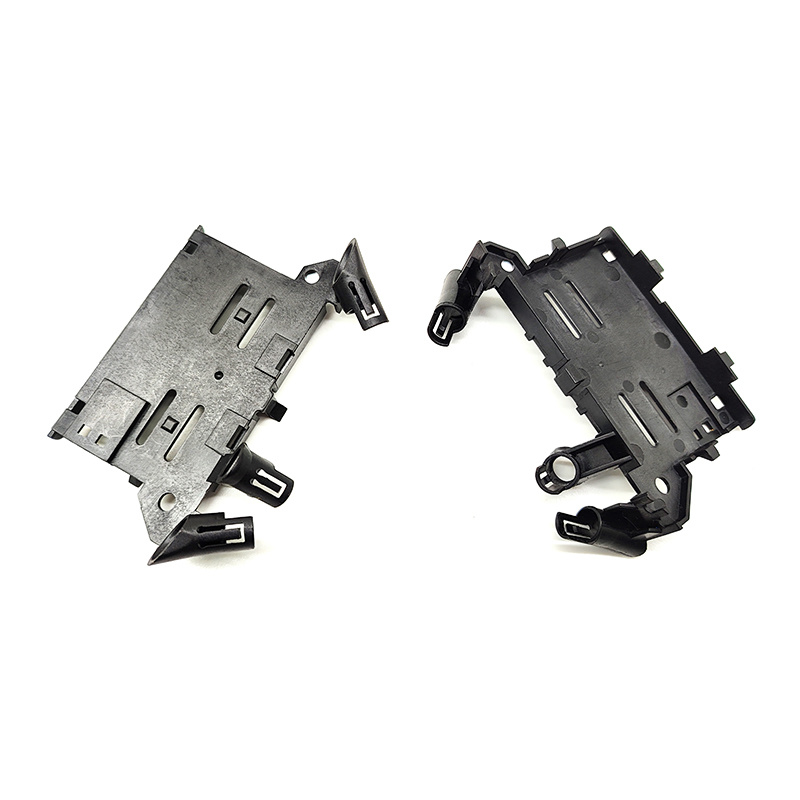
CNC machining parts are widely used for prototyping and mass production. In prototyping, manufacturers can quickly create a limited number of parts to test designs and functionality before committing to large-scale production. This flexibility allows for rapid iteration and innovation, essential in today's fast-paced manufacturing environment. When it comes to mass production, CNC machines can operate continuously, producing thousands of identical parts with minimal downtime, making them highly efficient.
In addition to traditional CNC machining, advancements in technology have introduced more specialized techniques, such as CNC laser cutting, CNC waterjet cutting, and CNC milling. Each method has its unique advantages and is suited for different applications. For example, laser cutting offers exceptional precision for thin materials, while waterjet cutting is ideal for thicker materials that may be sensitive to heat.
In conclusion, understanding CNC machining parts is crucial for professionals in the manufacturing and mechanical hardware processing industries. By leveraging the precision and efficiency of CNC machining, companies can ensure high-quality products, streamline their production processes, and ultimately gain a competitive edge in the market. Whether you're looking to prototype a new product or scale up production, incorporating CNC machining into your operations can lead to significant improvements in both quality and efficiency.
CNC-machining-parts
Related news
2024-11-15