
Understanding Rapid Mould: The Future of Plastic Forming Technology
Time:
2024-11-03 09:40
Source:
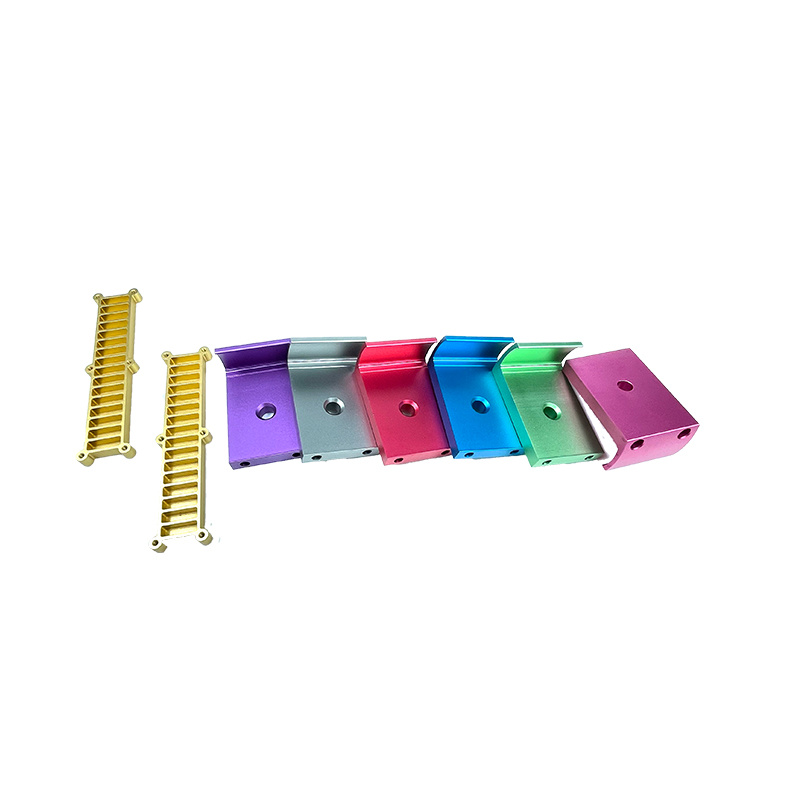
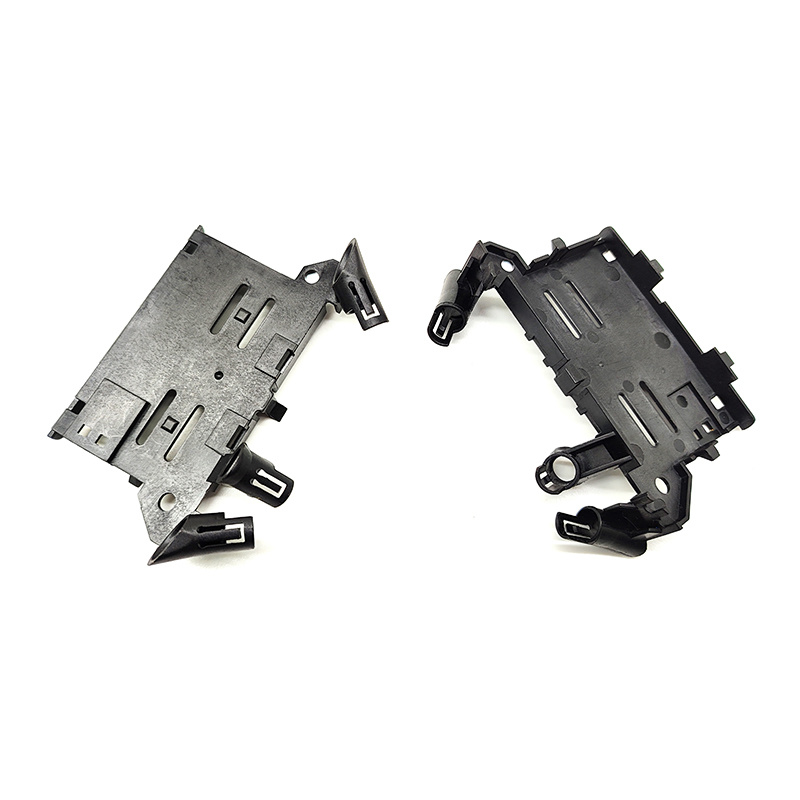
Rapid mould technology represents a significant advancement in the field of manufacturing, particularly in the realm of plastic molding. This method allows for faster production times and increased efficiency, making it a game-changer for industries that rely heavily on precision and speed. The essence of rapid moulding lies in its ability to streamline the design and production process, enabling manufacturers to create high-quality molds in a fraction of the time required by traditional methods.
One of the primary advantages of rapid mould technology is its capacity for quick prototyping. In a world where speed to market is crucial, businesses can create prototypes and test them more rapidly than ever before. This accelerated timeline not only shortens the development cycle but also allows for more iterative design processes. Manufacturers can gather feedback and make adjustments swiftly, ensuring that the final product meets the stringent demands of quality and performance.
Moreover, rapid moulding is synonymous with enhanced customization. Traditional molding methods often involve significant setup times and costs, which can limit the feasibility of producing small batches or customized parts. In contrast, rapid mould technology allows for the efficient production of tailored products without the need for extensive retooling. This flexibility is increasingly important in sectors where consumer preferences are constantly evolving.
Another key benefit of rapid moulding is the reduction of material waste. The precision of this technology enables manufacturers to optimize the amount of raw materials used in the production process. This not only contributes to cost savings but also aligns with the growing emphasis on sustainability within manufacturing industries. By minimizing waste, companies can enhance their environmental footprint while maintaining profitability.
In addition to its practical advantages, rapid mould technology is also paving the way for innovation in design and functionality. The use of advanced materials and techniques allows for more complex geometries and designs that were previously deemed impractical. This capability opens new avenues for product development and can lead to the creation of more efficient, functional, and aesthetically pleasing products.
In conclusion, rapid mould technology is revolutionizing the plastic forming industry by providing faster prototyping, enhanced customization, reduced material waste, and new design possibilities. As industries continue to evolve, the adoption of such advanced methods will play a crucial role in maintaining competitiveness and meeting the ever-increasing demands of the market. Understanding and embracing rapid mould technology is no longer optional but a necessity for manufacturers aiming to thrive in today’s fast-paced environment.
Rapid mould
Related news
2024-11-15