Understanding the Different Types of Die Casting Parts: A Comprehensive Guide for Industry Professionals
Time:
2024-11-05 10:00
Source:
Understanding the Different Types of Die Casting Parts
Die casting is a prevalent manufacturing process utilized for creating precise metal parts across various industries. This article aims to provide a thorough understanding of the different types of die casting parts, their applications, and the factors influencing the production process. As the demand for high-quality metal components continues to grow, a solid grasp of die casting becomes essential for professionals in the manufacturing sector.
Table of Contents
- 1. Introduction to Die Casting
- 2. Overview of the Die Casting Process
- 3. Types of Die Casting Processes
- 3.1 High-Pressure Die Casting
- 3.2 Low-Pressure Die Casting
- 3.3 Gravity Die Casting
- 3.4 Sand Die Casting
- 4. Materials Used in Die Casting
- 5. Applications of Die Casting Parts
- 6. Design Considerations for Die Casting Parts
- 7. Advantages of Die Casting
- 8. Challenges in Die Casting
- 9. Frequently Asked Questions
- 10. Conclusion
1. Introduction to Die Casting
Die casting is a manufacturing process that involves forcing molten metal into a mold cavity to produce high-precision components. This process allows for the rapid production of parts with intricate designs and excellent dimensional accuracy. Industries such as automotive, aerospace, electronics, and consumer goods heavily rely on die casting technology to meet their production needs.
The significance of die casting lies in its ability to create complex shapes that would be difficult or impossible to achieve using traditional machining processes. Understanding the different types of die casting parts is crucial for professionals engaged in manufacturing, engineering, and design.
2. Overview of the Die Casting Process
The die casting process can be broken down into several key steps, including:
1. **Mold Preparation**: Molds are created from steel or other durable materials and designed to withstand high pressures. The mold's interior shape determines the final part's geometry.
2. **Metal Melting**: The chosen metal alloy is melted in a furnace, reaching temperatures sufficient for casting.
3. **Injection**: The molten metal is injected into the mold at high speed, filling the cavity completely.
4. **Cooling**: After the mold is filled, the metal begins to cool and solidify. This stage is critical for achieving the desired mechanical properties.
5. **Ejection**: Once the part has cooled, the mold opens, and ejector pins remove the finished part.
6. **Finishing Processes**: Additional machining, surface treatment, or finishing may be performed to meet specific requirements.
Understanding each of these steps is essential for optimizing the die casting process and ensuring the production of high-quality parts.
3. Types of Die Casting Processes
Die casting can be categorized into different types based on the method of injecting molten metal into the mold. Each type has its unique characteristics, advantages, and applications.
3.1 High-Pressure Die Casting
High-pressure die casting is the most widely used method in the die casting industry. In this process, molten metal is injected into a mold under high pressure (ranging from 1,000 to 30,000 psi). This technique is ideal for producing complex shapes with fine details and smooth surfaces.
**Applications**: High-pressure die casting is commonly used in the automotive industry for components such as engine blocks, transmission cases, and various housings.
3.2 Low-Pressure Die Casting
Low-pressure die casting operates under significantly lower pressures compared to high-pressure die casting, typically between 1 and 15 psi. In this method, the molten metal is drawn into the mold using a controlled pressure differential.
**Applications**: This technique is particularly effective for producing larger parts that require a good surface finish and mechanical properties, such as aerospace components and large housings.
3.3 Gravity Die Casting
Gravity die casting relies on gravity to fill the mold with molten metal. The process generally involves preheating the mold and then pouring the molten metal into the cavity. While this method is slower than high-pressure die casting, it is more cost-effective for low-volume production.
**Applications**: Gravity die casting is often used for parts like ingots, decorative items, and other components where precision is less critical.
3.4 Sand Die Casting
Sand die casting utilizes a sand mold to create parts. The process involves packing sand around a pattern to form the mold, which is then removed to create a cavity. Molten metal is poured into the cavity to create the final part.
**Applications**: This technique is suitable for producing large, heavy components like engine blocks and pumps, where intricate details are not required.
4. Materials Used in Die Casting
The choice of material is crucial in die casting, as it affects the mechanical properties, durability, and suitability of the final product. Common materials used in die casting include:
1. **Aluminum Alloys**: Known for their lightweight and corrosion resistance, aluminum alloys are widely used in automotive and aerospace applications.
2. **Zinc Alloys**: Zinc die casting is favored for its excellent finishing qualities and good strength-to-weight ratio. It is suitable for small, intricate parts.
3. **Magnesium Alloys**: Magnesium alloys are used in applications where weight savings are critical, such as in aircraft components.
4. **Lead and Tin Alloys**: These materials are less commonly used due to environmental concerns but are still employed in specific applications.
Understanding the properties of each material helps engineers select the best option for their project requirements.
5. Applications of Die Casting Parts
Die casting parts are utilized across various industries due to their versatility and efficiency. Some common applications include:
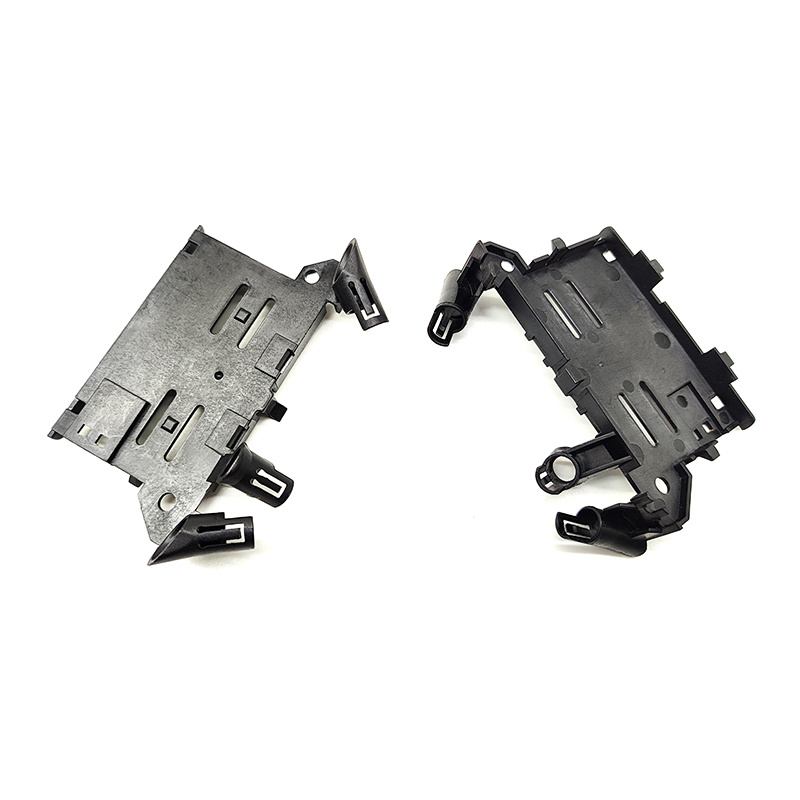
- **Automotive Components**: Engine blocks, transmission housings, and wheels.
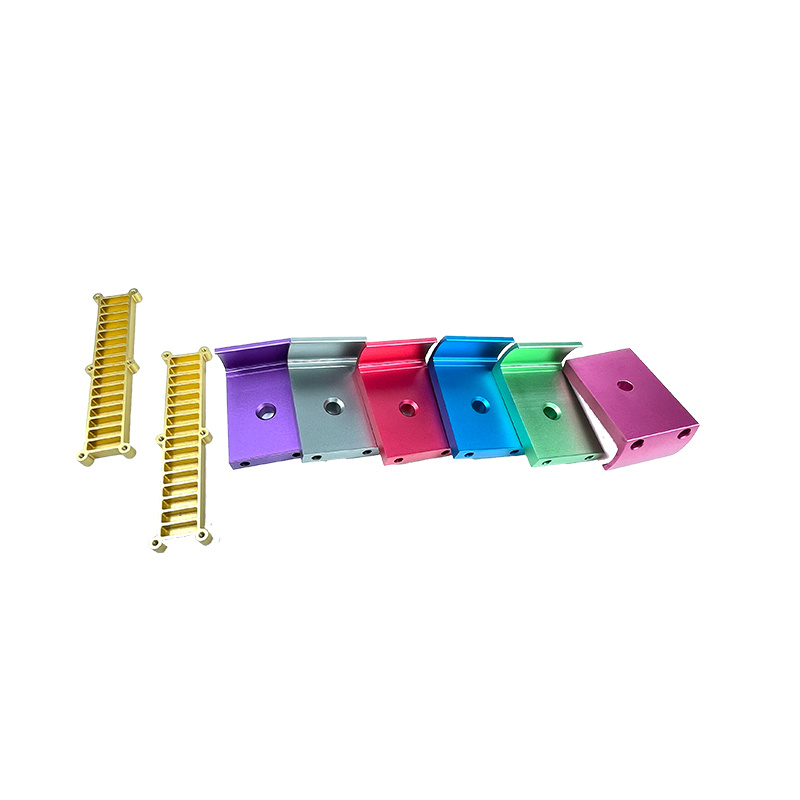
- **Electronics**: Housings for appliances, smartphones, and computers.
- **Aerospace**: Structural components, brackets, and housings.
- **Medical Devices**: Components for surgical instruments and diagnostic equipment.
With the ability to produce high volumes of parts with exceptional precision, die casting serves as a critical manufacturing method in numerous sectors.
6. Design Considerations for Die Casting Parts
Designing parts for die casting involves several considerations to ensure optimal performance and manufacturability. Key factors include:
- **Wall Thickness**: Maintaining consistent wall thickness helps reduce defects and improve strength.
- **Draft Angles**: Incorporating draft angles allows for easier part ejection from the mold.
- **Radii and Fillets**: Using rounded edges instead of sharp corners minimizes stress concentrations and enhances flow during casting.
Collaboration between design and manufacturing teams can significantly enhance the efficiency of the die casting process.
7. Advantages of Die Casting
Die casting offers numerous advantages, making it a preferred choice for many manufacturers:
- **High Precision and Detail**: The process allows for the production of intricate shapes with tight tolerances.
- **Rapid Production**: Die casting can produce large quantities of parts quickly, reducing cycle times.
- **Material Efficiency**: Minimal scrap material is generated, making it a cost-effective option.
- **Excellent Surface Finish**: Die cast parts often require little to no secondary finishing.
These benefits contribute to the widespread adoption of die casting in various industries.
8. Challenges in Die Casting
Despite its advantages, die casting also presents several challenges:
- **Initial Tooling Costs**: The cost of creating molds can be high, especially for complex designs.
- **Limited Material Options**: Not all materials are suitable for die casting, which can restrict design choices.
- **Defects**: Issues like porosity, shrinkage, and surface blemishes can occur if not properly managed.
Addressing these challenges requires careful planning and execution throughout the design and manufacturing process.
9. Frequently Asked Questions
What is the difference between high-pressure and low-pressure die casting?
High-pressure die casting uses significantly higher pressures to inject molten metal into the mold, resulting in finer details and smoother surfaces. Low-pressure die casting relies on a controlled pressure differential, making it suitable for larger parts.
Can die casting be used for small precision parts?
Yes, die casting is ideal for small precision parts, especially in high-pressure applications where intricate details are required.
What materials are typically used in die casting?
Common materials include aluminum, zinc, magnesium, and occasionally lead and tin alloys, depending on the application.
How does die casting compare to other manufacturing processes?
Die casting offers superior precision and efficiency compared to processes like sand casting, making it preferable for high-volume production of complex parts.
What industries benefit most from die casting?
Industries such as automotive, aerospace, electronics, and medical devices heavily rely on die casting due to its ability to produce high-quality components at scale.
10. Conclusion
Understanding the different types of die casting parts is essential for professionals in the manufacturing and engineering sectors. With various processes available, including high-pressure, low-pressure, gravity, and sand die casting, each offers unique benefits suited to specific applications. By selecting the appropriate materials and adhering to design considerations, manufacturers can leverage die casting to produce high-quality components efficiently.
As industries continue to evolve and demand higher precision and performance, die casting remains a vital manufacturing process. Embracing the intricacies of die casting will empower professionals to optimize production, meet quality standards, and innovate in their respective fields.
Die casting parts
Related news
2024-11-15