The Essential Guide to Understanding Plastic Parts in Manufacturing
Time:
2024-11-15 10:00
Source:
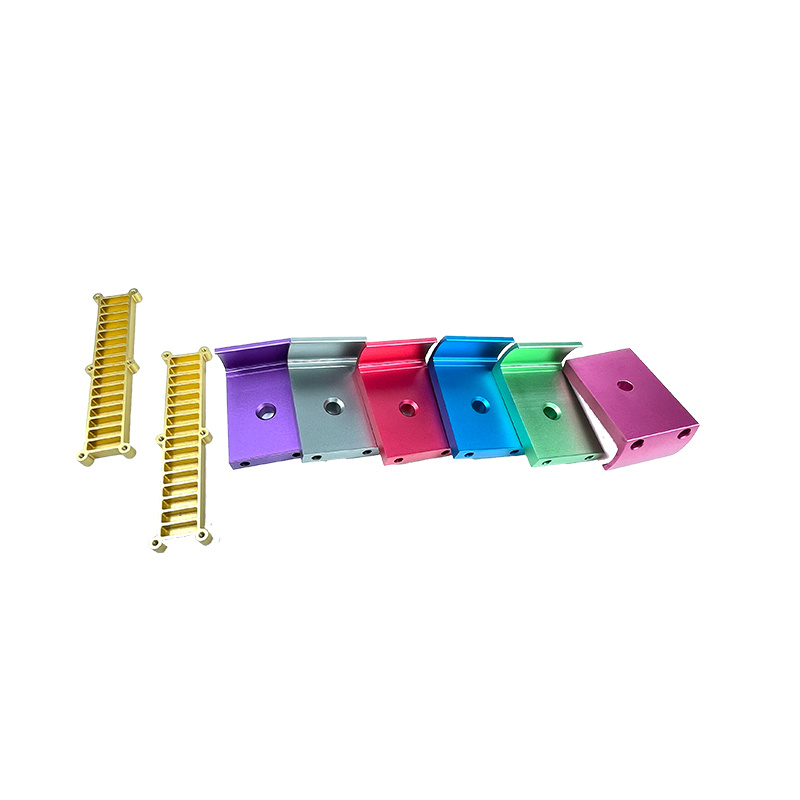
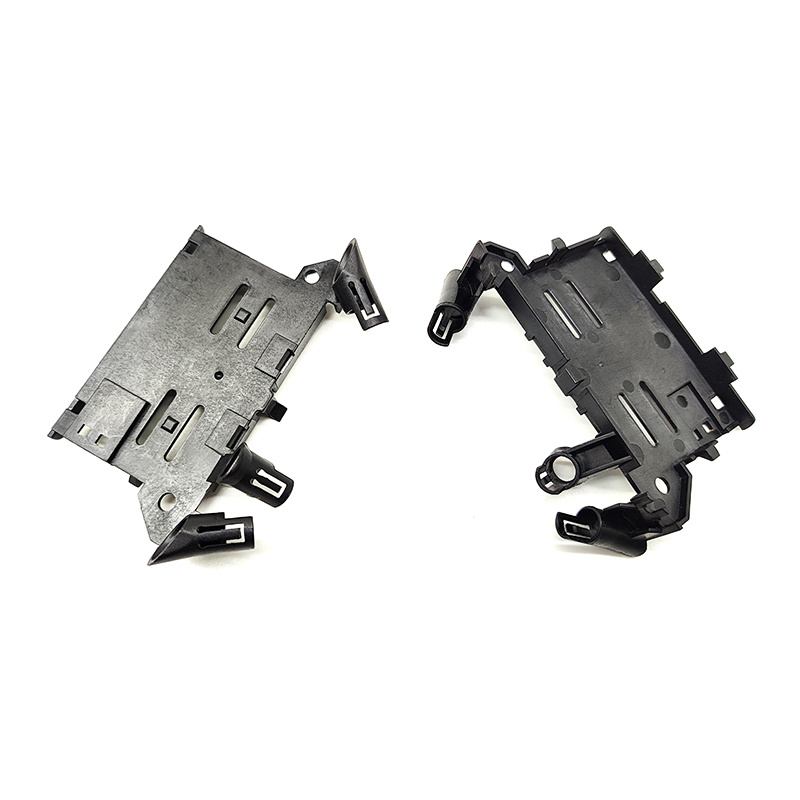
Plastic parts are ubiquitous in various industries, thanks to their versatility, durability, and cost-effectiveness. In the realm of manufacturing processing machinery, especially in mold-making and plastic molding, understanding the characteristics and applications of plastic parts is essential for optimizing production quality and efficiency. This article aims to provide a comprehensive overview of plastic parts, shedding light on their importance in the manufacturing landscape.
One of the primary reasons for the extensive use of plastic parts in manufacturing is their adaptable nature. Plastics can be engineered to possess specific qualities, such as flexibility, strength, and heat resistance. This adaptability allows manufacturers to tailor plastic components for various applications, ranging from automotive parts to consumer electronics and medical devices. The ability to customize plastic materials means that they can be produced in large quantities while maintaining consistent performance and aesthetics.
The process of creating plastic parts typically involves several methods, with injection molding being one of the most popular. In injection molding, plastic is heated until it becomes molten and then injected into a mold where it cools and solidifies into the desired shape. This process allows for the rapid production of complex parts with high precision. Other methods include blow molding, rotational molding, and compression molding, each suited to different types of products and production volumes. Understanding these manufacturing techniques is vital for selecting the right approach for your specific needs.
Moreover, plastic parts come in various types, each serving distinct functions. Thermoplastics, for instance, are widely used because they can be reshaped multiple times without altering their chemical properties. On the other hand, thermosetting plastics, once cured, cannot be remolded, which makes them suitable for applications requiring high-temperature resistance and structural integrity. Familiarizing yourself with these different types of plastics can significantly impact the performance and longevity of the final product.
Sustainability is also a growing concern in the manufacturing industry. As a result, there is an increasing focus on using recyclable materials and developing bioplastics that reduce environmental impact. Manufacturers are urged to consider the lifecycle of plastic parts, from production to disposal, to ensure that their practices align with sustainability goals.
In conclusion, plastic parts play a pivotal role in the manufacturing processing machinery sector, particularly within mold-making and plastic molding. Their versatility, coupled with various production methods and material types, makes them an indispensable component in creating a wide range of products. As the industry evolves, staying informed about the latest advancements in plastic technology and sustainable practices will be crucial for manufacturers aiming to excel in a competitive market.
One of the primary reasons for the extensive use of plastic parts in manufacturing is their adaptable nature. Plastics can be engineered to possess specific qualities, such as flexibility, strength, and heat resistance. This adaptability allows manufacturers to tailor plastic components for various applications, ranging from automotive parts to consumer electronics and medical devices. The ability to customize plastic materials means that they can be produced in large quantities while maintaining consistent performance and aesthetics.
The process of creating plastic parts typically involves several methods, with injection molding being one of the most popular. In injection molding, plastic is heated until it becomes molten and then injected into a mold where it cools and solidifies into the desired shape. This process allows for the rapid production of complex parts with high precision. Other methods include blow molding, rotational molding, and compression molding, each suited to different types of products and production volumes. Understanding these manufacturing techniques is vital for selecting the right approach for your specific needs.
Moreover, plastic parts come in various types, each serving distinct functions. Thermoplastics, for instance, are widely used because they can be reshaped multiple times without altering their chemical properties. On the other hand, thermosetting plastics, once cured, cannot be remolded, which makes them suitable for applications requiring high-temperature resistance and structural integrity. Familiarizing yourself with these different types of plastics can significantly impact the performance and longevity of the final product.
Sustainability is also a growing concern in the manufacturing industry. As a result, there is an increasing focus on using recyclable materials and developing bioplastics that reduce environmental impact. Manufacturers are urged to consider the lifecycle of plastic parts, from production to disposal, to ensure that their practices align with sustainability goals.
In conclusion, plastic parts play a pivotal role in the manufacturing processing machinery sector, particularly within mold-making and plastic molding. Their versatility, coupled with various production methods and material types, makes them an indispensable component in creating a wide range of products. As the industry evolves, staying informed about the latest advancements in plastic technology and sustainable practices will be crucial for manufacturers aiming to excel in a competitive market.
Plastic-parts
Related news
2024-11-15