Understanding Precision CNC Machining: A Key to Efficient Manufacturing
Time:
2024-12-01 10:00
Source:
Precision CNC machining, or Computer Numerical Control machining, is a manufacturing process that utilizes computer programming to control machinery and tools. This method enables manufacturers to produce intricate components with a high level of precision and repeatability, which is essential in industries where tolerances are critical. The process involves designing a part using computer-aided design (CAD) software and then converting that design into a machine-readable code, allowing the CNC machine to execute the required operations automatically.
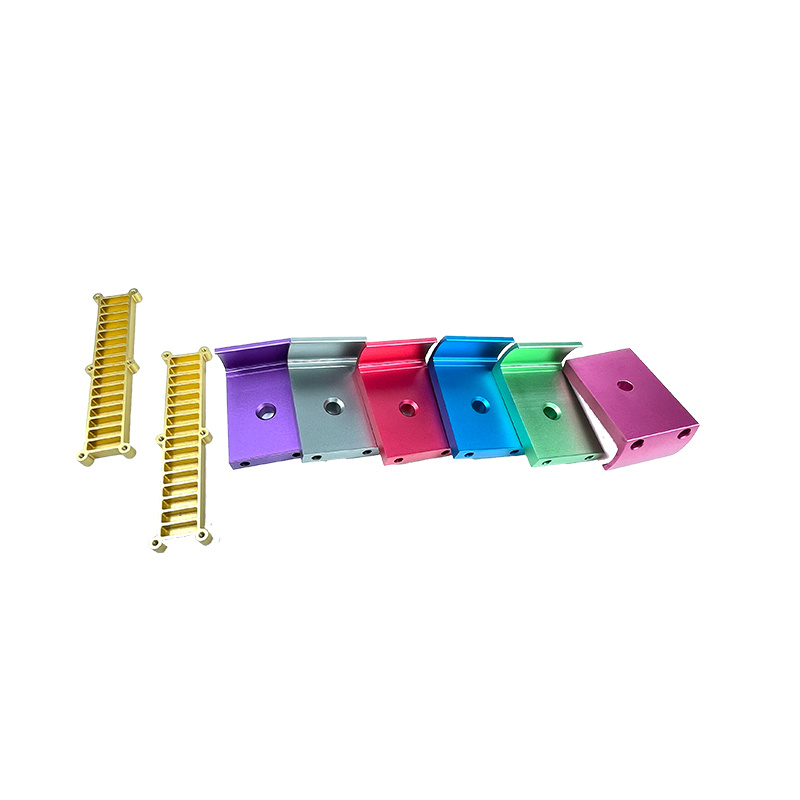
One of the primary advantages of precision CNC machining is its ability to create complex geometries that would be difficult or impossible to achieve with traditional machining methods. This capability is particularly beneficial in sectors such as aerospace, automotive, and medical device manufacturing, where components often require intricate shapes and tight tolerances.
Moreover, precision CNC machining significantly reduces the likelihood of human error. Since the process is automated, the risk associated with manual intervention is minimized. This automation not only enhances precision but also boosts productivity, allowing manufacturers to meet tight deadlines without sacrificing quality. Additionally, CNC machines can operate continuously, further increasing efficiency and output levels.
Another noteworthy benefit of precision CNC machining is its versatility. CNC machines can work with a wide range of materials, including metals, plastics, and composites. This adaptability makes them ideal for various applications, from producing small prototypes to large-scale manufacturing runs. Furthermore, the ability to quickly switch between different projects without extensive setup time allows manufacturers to respond swiftly to changing market demands.
In terms of maintenance and cost-efficiency, precision CNC machining offers long-term savings. Although the initial investment in CNC equipment can be substantial, the durability and longevity of these machines often outweigh the upfront costs. Regular maintenance and updates to software can help keep machines running efficiently, reducing downtime and enhancing overall productivity.
In conclusion, precision CNC machining is an indispensable part of the manufacturing process, especially in industries requiring high accuracy and quality. Its ability to produce complex parts with minimal human involvement, coupled with the versatility and efficiency it brings to manufacturing operations, positions it as a cornerstone technology in modern mechanical hardware and component production. Embracing CNC machining can lead to improved product quality, reduced manufacturing times, and ultimately, a competitive edge in the market.
One of the primary advantages of precision CNC machining is its ability to create complex geometries that would be difficult or impossible to achieve with traditional machining methods. This capability is particularly beneficial in sectors such as aerospace, automotive, and medical device manufacturing, where components often require intricate shapes and tight tolerances.
Moreover, precision CNC machining significantly reduces the likelihood of human error. Since the process is automated, the risk associated with manual intervention is minimized. This automation not only enhances precision but also boosts productivity, allowing manufacturers to meet tight deadlines without sacrificing quality. Additionally, CNC machines can operate continuously, further increasing efficiency and output levels.
Another noteworthy benefit of precision CNC machining is its versatility. CNC machines can work with a wide range of materials, including metals, plastics, and composites. This adaptability makes them ideal for various applications, from producing small prototypes to large-scale manufacturing runs. Furthermore, the ability to quickly switch between different projects without extensive setup time allows manufacturers to respond swiftly to changing market demands.
In terms of maintenance and cost-efficiency, precision CNC machining offers long-term savings. Although the initial investment in CNC equipment can be substantial, the durability and longevity of these machines often outweigh the upfront costs. Regular maintenance and updates to software can help keep machines running efficiently, reducing downtime and enhancing overall productivity.
In conclusion, precision CNC machining is an indispensable part of the manufacturing process, especially in industries requiring high accuracy and quality. Its ability to produce complex parts with minimal human involvement, coupled with the versatility and efficiency it brings to manufacturing operations, positions it as a cornerstone technology in modern mechanical hardware and component production. Embracing CNC machining can lead to improved product quality, reduced manufacturing times, and ultimately, a competitive edge in the market.
precision CNC machining
Related news
2024-11-15