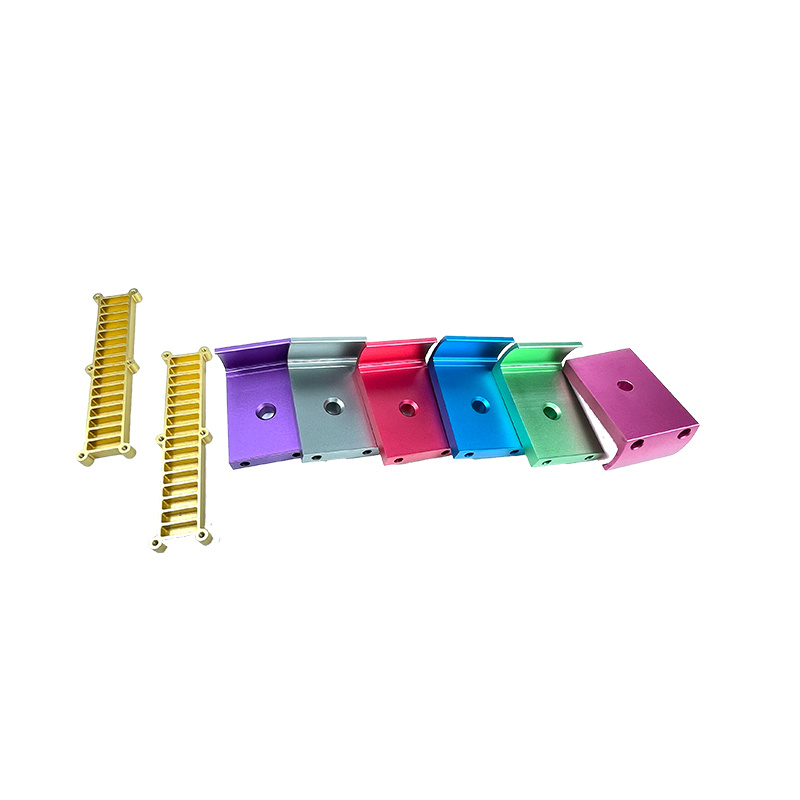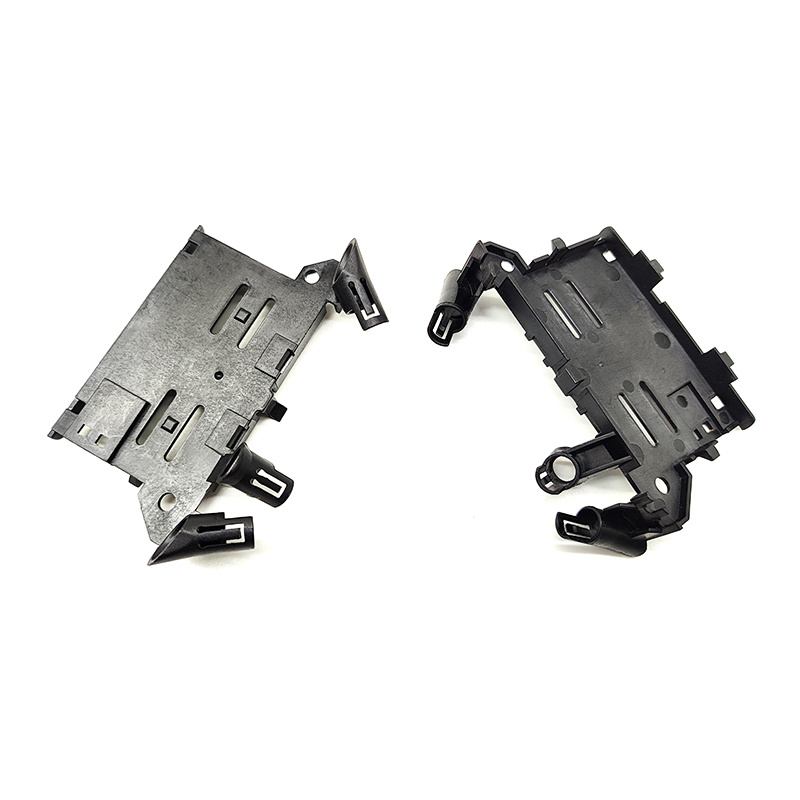
Unlocking Precision and Efficiency: The Top Benefits of Choosing CNC Machining Parts for Your Projects
Time:
2024-12-03 09:20
Source:
Unlocking Precision and Efficiency: The Top Benefits of Choosing CNC Machining Parts for Your Projects
Table of Contents
- Introduction to CNC Machining
- What is CNC Machining?
- The Benefits of CNC Machining Parts
- 1. Superior Precision and Accuracy
- 2. Enhanced Efficiency and Speed
- 3. Versatility with Material Variety
- 4. Scalability for Large Projects
- 5. Cost-Effectiveness Over Time
- 6. Customization Options
- 7. Reduced Waste and Sustainability
- 8. Shorter Lead Times
- Applications of CNC Machining Parts in Various Industries
- Frequently Asked Questions
- Conclusion
Introduction to CNC Machining
CNC machining has become a cornerstone of modern manufacturing, revolutionizing how we create parts across various industries. By employing computer numerical control (CNC) technology, manufacturers can achieve a level of precision and efficiency that was once unattainable. The integration of CNC machining into production processes allows for greater flexibility, reduced costs, and improved quality, making it a favored choice for engineers and manufacturers alike.
What is CNC Machining?
CNC machining refers to a manufacturing process that utilizes computer-controlled machines to cut, shape, and finish materials. The term "CNC" stands for Computer Numerical Control, indicating that the machines operate based on coded instructions fed by a computer. These instructions dictate the movement of tools, ensuring that every cut and contour is executed with high precision. CNC machining can work with a variety of materials, including metals, plastics, and composites, making it adaptable for numerous applications.
The Benefits of CNC Machining Parts
1. Superior Precision and Accuracy
One of the standout benefits of CNC machining is its ability to produce parts with remarkable precision. Traditional machining processes often rely on manual intervention and can lead to errors due to human factors. In contrast, CNC machines follow exact specifications, resulting in minimal deviations from the desired measurements. This level of precision is critical for industries that require tight tolerances, such as aerospace and medical device manufacturing.
2. Enhanced Efficiency and Speed
Speed is of the essence in manufacturing, and CNC machining excels in this area. Once programmed, CNC machines can operate continuously without the need for breaks, allowing for rapid production rates. This efficiency translates into shorter lead times for projects, enabling manufacturers to meet tight deadlines and respond quickly to market demands. The automated nature of CNC machining also reduces labor costs, as fewer operators are required to oversee the process.
3. Versatility with Material Variety
Another significant advantage of CNC machining is its versatility in handling various materials. Whether it's aluminum, steel, plastic, or even wood, CNC machines can be configured to work with an extensive range of substances. This flexibility opens up possibilities for manufacturers looking to experiment with different materials for their projects. The ability to switch between materials seamlessly enables businesses to cater to diverse client needs without investing in multiple specialized machines.
4. Scalability for Large Projects
For businesses aiming to scale their production, CNC machining provides an ideal solution. The technology allows for easy replication of parts, ensuring that large quantities can be produced with consistent quality. This scalability is particularly beneficial in industries where demand can fluctuate, allowing manufacturers to ramp up production without sacrificing precision or quality. CNC machining also facilitates quick adjustments to designs, enabling businesses to pivot as market needs change.
5. Cost-Effectiveness Over Time
While the initial investment in CNC machinery may be high, the long-term cost savings are undeniable. CNC machines reduce material waste through precise cutting and shaping, ensuring that less raw material is discarded. Additionally, the efficiency and automation of CNC machining lower labor costs and minimize the likelihood of costly errors, further enhancing profitability. In many cases, the benefits of transitioning to CNC machining quickly outweigh the upfront costs.
6. Customization Options
CNC machining offers unparalleled customization options for manufacturing projects. Whether producing a single prototype or thousands of identical parts, CNC machines can be programmed to accommodate unique specifications. This flexibility allows engineers and designers to bring their visions to life, creating complex geometries and intricate designs that would be difficult or impossible to achieve with traditional machining methods.
7. Reduced Waste and Sustainability
In an age where sustainability is becoming increasingly important, CNC machining stands out for its ability to minimize waste. The precision of CNC machines ensures that material is used efficiently, leading to reduced scrap and leftovers. This not only cuts costs but also aligns with the growing demand for environmentally friendly manufacturing practices. Many companies are now prioritizing sustainable methods, and CNC machining fits perfectly into this initiative.
8. Shorter Lead Times
In today’s fast-paced market, meeting deadlines is crucial for maintaining a competitive edge. CNC machining significantly shortens lead times compared to traditional manufacturing processes. The ability to quickly program, set up, and operate CNC machines allows manufacturers to fulfill orders faster. This rapid turnaround time is essential for businesses that require just-in-time production or need to respond swiftly to customer demands.
Applications of CNC Machining Parts in Various Industries
CNC machining is widely used across numerous industries, each benefiting from the precision and efficiency offered by this technology.
Aerospace Industry
In aerospace manufacturing, precision is non-negotiable. CNC machining is used to create components for aircraft, satellites, and space vehicles, where even the slightest error can have dire consequences. The ability to produce lightweight yet sturdy parts makes CNC machining a vital asset in this sector.
Automotive Industry
The automotive industry relies on CNC machining for manufacturing intricate components such as engine blocks, transmission parts, and custom accessories. The fast production speeds and ability to scale ensure that automotive manufacturers can keep up with changing consumer trends and demands.
Medical Devices
CNC machining plays a critical role in medical device manufacturing. Components such as surgical instruments and implants must meet strict regulatory standards for safety and efficacy. CNC technology allows for the high precision that is essential in this sensitive industry.
Electronics
In the electronics sector, CNC machining is used to produce intricate housings, circuit boards, and connectors. The ability to work with various materials and create complex shapes is vital for the fast-evolving technology landscape.
Industrial Equipment
Manufacturers of heavy machinery and industrial equipment also benefit from CNC machining. Parts such as gears, shafts, and housings require high durability and precision, making CNC machining the preferred method for production.
Frequently Asked Questions
1. What materials can be used with CNC machining?
CNC machining can work with a wide variety of materials, including metals (such as aluminum, steel, and titanium), plastics, composites, and even wood.
2. How does CNC machining improve precision compared to traditional methods?
CNC machines operate based on coded instructions, eliminating human error and ensuring that every part is produced within tight tolerances.
3. Can CNC machining be used for small-scale production?
Yes, CNC machining is highly versatile and can be used for both small-scale prototyping and large-scale production runs.
4. What industries utilize CNC machining?
CNC machining is commonly used in industries such as aerospace, automotive, medical devices, electronics, and industrial equipment.
5. Is CNC machining cost-effective for small businesses?
While initial costs may be higher, the long-term savings from reduced labor, material waste, and increased efficiency make CNC machining a cost-effective option for businesses of all sizes.
Conclusion
Choosing CNC machining parts for your projects can significantly enhance precision, efficiency, and scalability. The diverse benefits, from cost-effectiveness to reduced waste, make CNC machining an invaluable tool in modern manufacturing. As industries continue to evolve, embracing the capabilities of CNC technology will be crucial for staying competitive and meeting the demands of the market. Investing in CNC machining not only transforms manufacturing processes but also paves the way for innovative designs and sustainable practices.
CNC machining parts
Related news
2024-11-15