Understanding CNC Machining Parts: A Comprehensive Guide for Manufacturing Professionals
Time:
2024-12-05 09:40
Source:
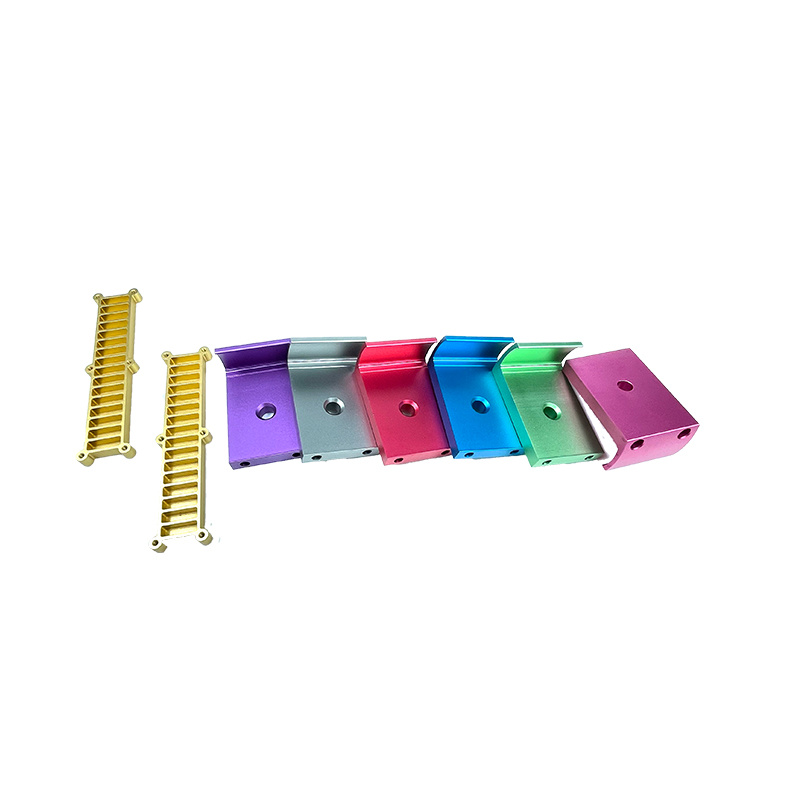
CNC (Computer Numerical Control) machining is a pivotal process in manufacturing, particularly for creating high-precision components known as CNC machining parts. These parts are produced by precisely controlling machine tools through computer programming, allowing for the automation of complex tasks that would be challenging or impossible to achieve manually. This technology has revolutionized the way mechanical components are fabricated, offering unparalleled accuracy, repeatability, and efficiency.
One of the primary advantages of CNC machining parts is their ability to create intricate designs with tight tolerances. This precision is crucial in industries such as aerospace, automotive, and medical devices, where even the smallest deviation can lead to significant performance issues. CNC machines can work with a wide range of materials, including metals, plastics, and composites, making them versatile tools in the manufacturing landscape.
CNC machining operates through a series of steps that begin with designing a computer-aided design (CAD) model. This model is then converted into a format that CNC machinery can read, typically using a process known as computer-aided manufacturing (CAM). Once the program is set, the CNC machine executes the design by cutting, milling, or drilling the material to create the desired part. The automation involved reduces human error, increases production speed, and ensures consistency across multiple parts.
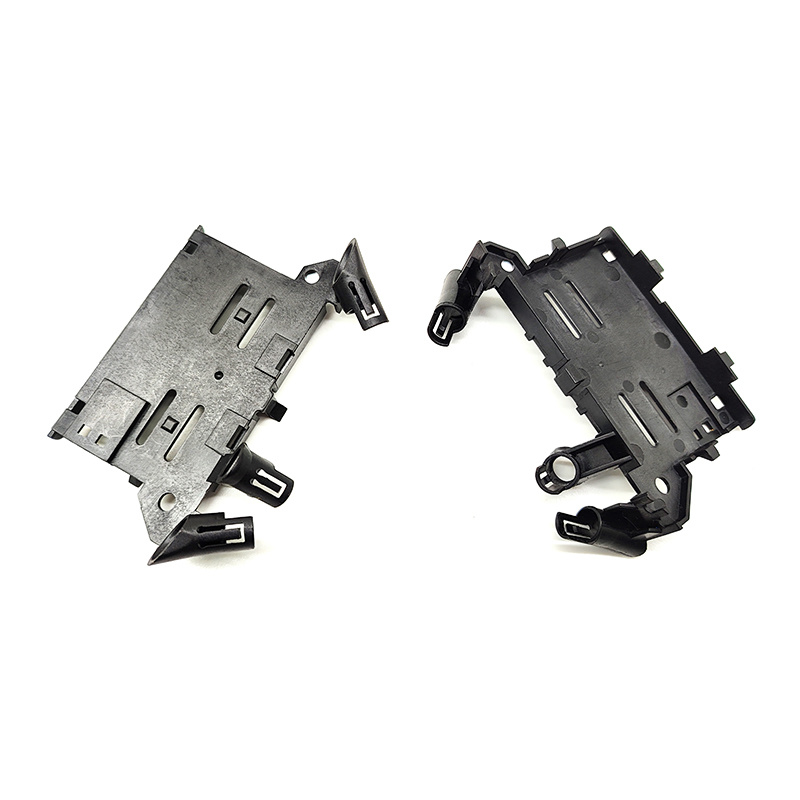
Another key aspect of CNC machining parts is the ability to produce complex geometries that would be difficult to achieve with traditional machining methods. For instance, CNC machining allows for the creation of features such as undercuts, intricate holes, and custom shapes, which can enhance the functionality of the final product. This flexibility makes CNC machining a preferred choice for prototype development as well as large-scale production.
Furthermore, the integration of advanced technologies such as 3D printing and additive manufacturing into CNC machining has opened up new possibilities for creating parts that are not only lightweight but also optimized for specific applications. This synergy of technologies is driving innovation in the field and allowing manufacturers to meet the evolving demands of their clients.
In conclusion, CNC machining parts play a vital role in modern manufacturing, offering numerous benefits such as high precision, versatility, and the ability to produce complex designs. For professionals in the manufacturing sector, understanding this process is essential for staying competitive and delivering high-quality products. Embracing CNC technology can lead to improvements in efficiency, reduction in waste, and ultimately, greater customer satisfaction.
CNC-machining-parts
Related news
2024-11-15