
The Essential Guide to CNC Machining: Unlocking Precision in Manufacturing
Time:
2024-12-09 09:41
Source:
CNC machining, or Computer Numerical Control machining, is a modern manufacturing process that utilizes computer systems to control machine tools. This technology has revolutionized the machining industry, enabling manufacturers to achieve high precision, efficiency, and consistency in their production processes. Understanding CNC machining is vital for professionals in the manufacturing sector, particularly those involved in machining and tool development.
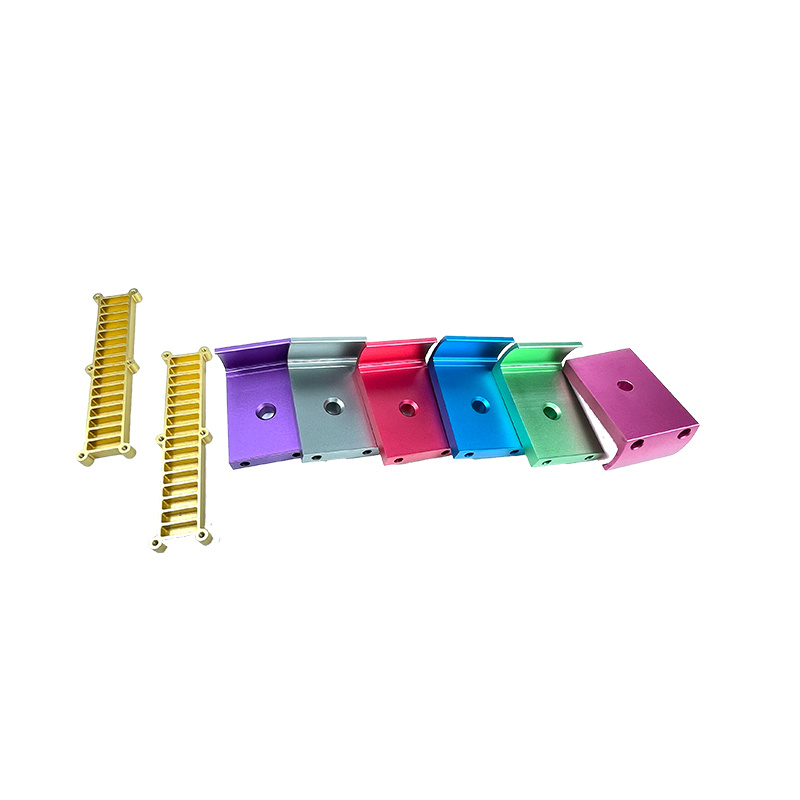
One of the most significant advantages of CNC machining is its ability to produce complex geometries with high accuracy. Unlike traditional manual machining, where human error can lead to inconsistencies, CNC systems follow precise instructions coded into the computer. This results in components that meet exact specifications, essential for industries where precision is paramount, such as aerospace, automotive, and medical device manufacturing.
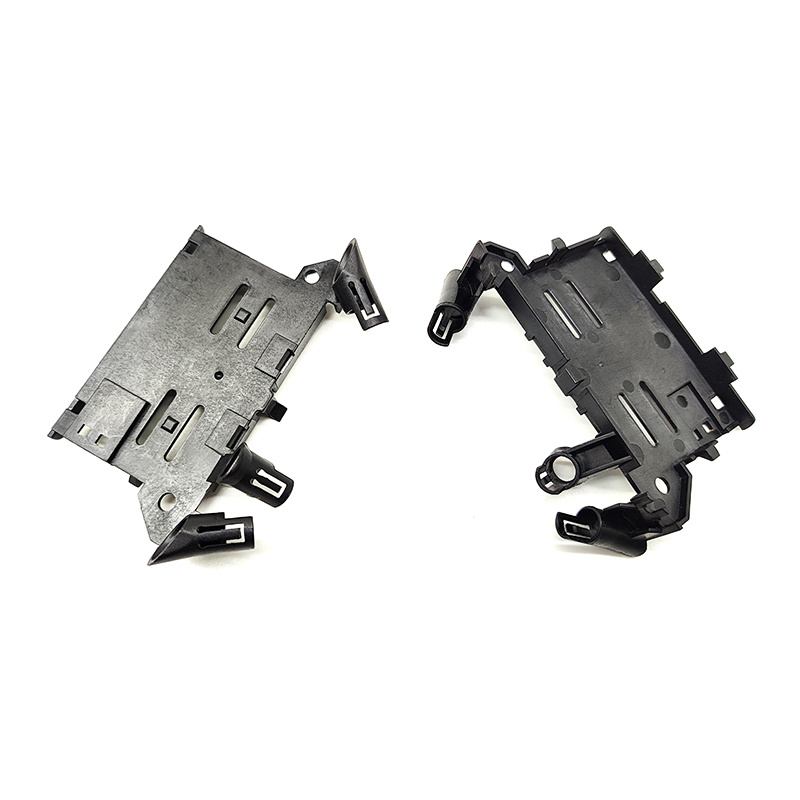
Furthermore, CNC machining supports a variety of materials, including metals, plastics, and composites. This versatility allows manufacturers to adapt their production processes to meet diverse customer requirements. The ability to work with different materials also opens up opportunities for innovation in product design and functionality.
Another noteworthy benefit of CNC machining is its efficiency. Once a program is set up, CNC machines can operate continuously, significantly reducing production time. This automation minimizes labor costs and streamlines workflows, leading to higher output rates. Additionally, CNC machining reduces material waste, as the technology allows for precise cutting and shaping of materials, optimizing resource utilization.
CNC machining also enhances flexibility in production. With the capability to quickly switch between different tasks by simply changing the program, manufacturers can easily accommodate custom orders and short production runs. This adaptability is increasingly important in today’s market, where customers demand personalized products and rapid delivery times.
In terms of applications, CNC machining is employed in various sectors, including aerospace, automotive, electronics, and medical devices. Whether producing intricate parts for aircraft or custom components for medical equipment, CNC machining plays a crucial role in ensuring quality and performance.
For professionals in the manufacturing sector, staying updated on advancements in CNC machining technology is essential. Continuous improvement in software and hardware is driving the evolution of CNC machining, including innovations like multi-axis machining and integration with additive manufacturing processes. Embracing these advancements can lead to improved operational efficiency and competitive advantages.
In conclusion, CNC machining is a powerful tool in the modern manufacturing landscape. By understanding its principles and advantages, professionals can leverage this technology to enhance their production capabilities, meet customer demands, and drive innovation within their organizations. Whether you are involved in design, production, or quality control, familiarity with CNC machining will undoubtedly elevate your expertise in the field.
One of the most significant advantages of CNC machining is its ability to produce complex geometries with high accuracy. Unlike traditional manual machining, where human error can lead to inconsistencies, CNC systems follow precise instructions coded into the computer. This results in components that meet exact specifications, essential for industries where precision is paramount, such as aerospace, automotive, and medical device manufacturing.
Furthermore, CNC machining supports a variety of materials, including metals, plastics, and composites. This versatility allows manufacturers to adapt their production processes to meet diverse customer requirements. The ability to work with different materials also opens up opportunities for innovation in product design and functionality.
Another noteworthy benefit of CNC machining is its efficiency. Once a program is set up, CNC machines can operate continuously, significantly reducing production time. This automation minimizes labor costs and streamlines workflows, leading to higher output rates. Additionally, CNC machining reduces material waste, as the technology allows for precise cutting and shaping of materials, optimizing resource utilization.
CNC machining also enhances flexibility in production. With the capability to quickly switch between different tasks by simply changing the program, manufacturers can easily accommodate custom orders and short production runs. This adaptability is increasingly important in today’s market, where customers demand personalized products and rapid delivery times.
In terms of applications, CNC machining is employed in various sectors, including aerospace, automotive, electronics, and medical devices. Whether producing intricate parts for aircraft or custom components for medical equipment, CNC machining plays a crucial role in ensuring quality and performance.
For professionals in the manufacturing sector, staying updated on advancements in CNC machining technology is essential. Continuous improvement in software and hardware is driving the evolution of CNC machining, including innovations like multi-axis machining and integration with additive manufacturing processes. Embracing these advancements can lead to improved operational efficiency and competitive advantages.
In conclusion, CNC machining is a powerful tool in the modern manufacturing landscape. By understanding its principles and advantages, professionals can leverage this technology to enhance their production capabilities, meet customer demands, and drive innovation within their organizations. Whether you are involved in design, production, or quality control, familiarity with CNC machining will undoubtedly elevate your expertise in the field.
CNC machining
Related news
2024-11-15