Top 10 Applications of Injection-Molded Products in Various Industries
Time:
2024-12-11 09:20
Source:
Top 10 Applications of Injection-Molded Products in Various Industries
Table of Contents
- Introduction to Injection Molding
- 1. Automotive Industry
- 2. Consumer Electronics
- 3. Medical Devices
- 4. Packaging Solutions
- 5. Household Goods
- 6. Aerospace Components
- 7. Toys and Games
- 8. Industrial Equipment
- 9. Construction Materials
- 10. Agricultural Tools
- FAQs about Injection-Molded Products
- Conclusion
Introduction to Injection Molding
Injection molding is a manufacturing process used to create parts by injecting molten material into a mold. This technique is highly versatile and is employed across various industries due to its efficiency and ability to produce complex shapes. The most commonly used materials in this process include thermoplastics, thermosetting polymers, and elastomers. This article explores the top ten applications of injection-molded products, highlighting their significance in enhancing functionality, reducing costs, and improving product quality.
1. Automotive Industry
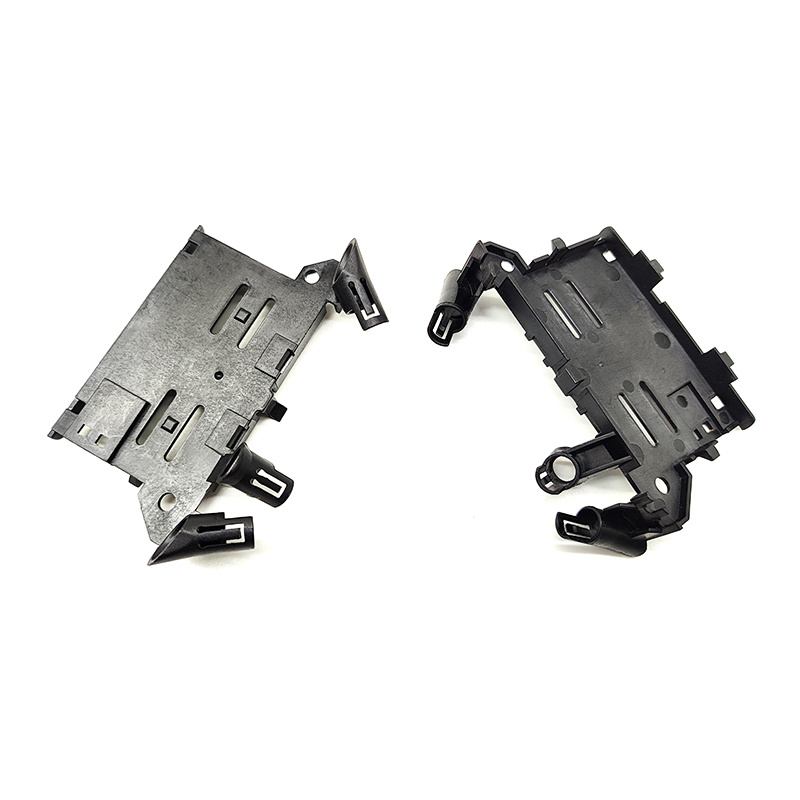
The automotive industry is one of the largest consumers of injection-molded products. Components such as dashboards, interior panels, and bumpers are often produced using this method. **Injection molding** not only allows for lightweight and durable parts but also offers customization options that align with specific design requirements. Advanced materials, including ABS (Acrylonitrile Butadiene Styrene) and polycarbonate, are frequently utilized for their strength and impact resistance.
Moreover, the precision of injection molding ensures that components fit perfectly in assembly lines, leading to efficient manufacturing processes. This level of accuracy significantly reduces the need for post-processing, ultimately saving time and costs.
2. Consumer Electronics
In the realm of consumer electronics, the demand for aesthetically pleasing and functional designs is paramount. Injection-molded products are widely used in manufacturing casings for smartphones, tablets, and other electronic devices. The process allows for intricate designs and seamless integration of various features, such as buttons and ports.
Furthermore, with the growing emphasis on sustainable practices, manufacturers are increasingly exploring biodegradable and recycled materials for injection molding, aligning with consumer preferences for environmentally friendly products. The ability to produce high-quality, visually appealing components in bulk makes injection molding an ideal choice for this industry.
3. Medical Devices
The medical industry heavily relies on injection-molded products for the production of essential devices and equipment. Components such as syringes, surgical instruments, and diagnostic devices are often manufactured using this method. The precision offered by injection molding is critical, as even minor deviations can lead to significant consequences in healthcare applications.
Moreover, the use of medical-grade materials ensures that the products are safe for patient use. Manufacturing processes must adhere to strict regulations, and injection molding is capable of producing sterile, reliable components that meet these stringent standards. The ability to scale production quickly while maintaining quality is a significant advantage in this industry.
4. Packaging Solutions
In the packaging industry, injection molding plays a vital role in creating containers, caps, and closures. The versatility of injection-molded plastics allows for the production of lightweight yet sturdy packaging solutions that protect products during transport and storage.
Injection-molded packaging can be designed to meet specific needs, such as tamper-proof features or ease of use for consumers. The process also allows for high-volume production, which is essential for manufacturers aiming to meet market demand efficiently. Additionally, sustainable practices are increasingly being adopted, with many companies opting for recyclable materials in their injection-molded packaging.
5. Household Goods
Household products, including furniture, kitchenware, and cleaning tools, extensively utilize injection-molded components. Items such as plastic chairs, storage containers, and utensils benefit from the durability and ease of manufacturing inherent in the injection molding process.
The ability to produce items in various colors and finishes provides manufacturers with the flexibility to cater to diverse consumer preferences. Furthermore, the lightweight nature of injection-molded goods makes them easy to handle and transport, which is advantageous for both manufacturers and consumers.
6. Aerospace Components
In the aerospace sector, the use of injection-molded products is becoming increasingly prevalent. Components such as interior panels, brackets, and housings must meet high standards of strength and weight reduction. Injection molding allows for the production of lightweight components without sacrificing durability.
The precision required in aerospace applications makes injection molding an ideal choice, as it can produce complex geometries that would be challenging with other manufacturing methods. Additionally, advancements in material technology have led to the development of specialized polymers that can withstand extreme conditions, further enhancing the applicability of injection-molded products in aerospace.
7. Toys and Games
The toy industry relies heavily on injection molding to create colorful, safe, and durable products for children. From action figures to building blocks, the versatility of injection molding allows for the production of a wide range of shapes and sizes.
Safety is a paramount concern in the toy industry, and injection-molded products can be manufactured using non-toxic materials that comply with safety regulations. The ability to produce items in bulk also ensures that manufacturers can keep up with seasonal demand, making injection molding an essential process in this sector.
8. Industrial Equipment
Injection-molded components are essential in the production of industrial equipment, including machinery housings, gears, and connectors. The strength and durability of injection-molded parts make them suitable for applications that require high performance and longevity.
Furthermore, the ability to create precise and complex shapes facilitates the design of innovative industrial solutions. Injection molding allows for the integration of multiple functionalities into a single component, reducing assembly time and costs for manufacturers.
9. Construction Materials
In the construction industry, injection-molded products are utilized to manufacture fittings, fixtures, and even structural components. The use of injection molding enables the creation of lightweight and durable materials that can withstand various environmental conditions.
The versatility of injection molding allows for the customization of products to suit specific construction needs. Additionally, the efficiency of the process contributes to faster project completion times, making it a preferred choice for many construction companies.
10. Agricultural Tools
The agricultural sector increasingly relies on injection-molded products for tools and equipment. Items such as seed trays, irrigation components, and protective gear are often produced using this method. The durability of injection-molded materials makes them ideal for withstanding harsh agricultural environments.
Moreover, the ability to produce complex shapes and sizes allows for the creation of innovative agricultural solutions that enhance productivity. As the industry moves towards more sustainable practices, the use of recyclable materials in injection molding aligns with environmental goals.
FAQs about Injection-Molded Products
1. What materials are commonly used in injection molding?
Injection molding typically uses thermoplastics, thermosetting plastics, and elastomers. Common materials include ABS, polycarbonate, polypropylene, and nylon.
2. How does injection molding improve product efficiency?
Injection molding enhances efficiency by allowing for high-volume production, reducing waste, and minimizing the need for post-processing through its precise manufacturing capabilities.
3. Can injection molding be used for complex designs?
Yes, injection molding is especially suitable for creating complex geometries and intricate designs, making it a preferred method for many industries.
4. What are the advantages of using injection-molded products?
The advantages include cost-effectiveness, high production speed, customization options, and the ability to create lightweight and durable components.
5. Is injection molding environmentally friendly?
Many manufacturers are adopting sustainable practices by using recycled and biodegradable materials in injection molding, contributing to environmentally friendly production processes.
Conclusion
Injection molding plays a pivotal role in various industries, from automotive to agriculture. Its ability to produce high-quality, durable, and complex components efficiently makes it an indispensable manufacturing process. As industries continue to innovate and adopt sustainable practices, the significance of injection-molded products is likely to grow, shaping the future of manufacturing and product design. Understanding these applications not only highlights the versatility of injection molding but also its critical importance to modern manufacturing.
Injection-mold
Related news
2024-11-15