
The Advantages of Rapid Mould Technology in Plastic Manufacturing
Time:
2024-12-13 10:00
Source:
In the realm of manufacturing and processing machinery, the term "rapid mould" refers to advanced mould-making techniques that significantly reduce the time required to produce plastic components. This technology is particularly beneficial in the plastic forming industry, where speed, precision, and efficiency are critical for success.
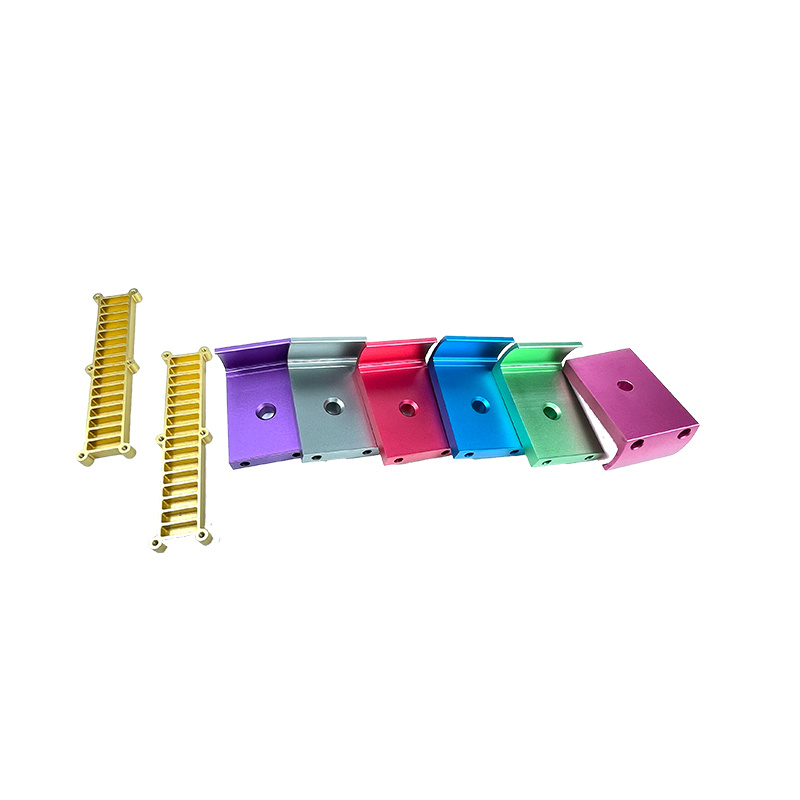
One of the primary advantages of rapid mould technology is its ability to expedite the design and production process. Traditional mould-making methods can be time-consuming, often taking weeks or months to complete. In contrast, rapid mould techniques can shorten this timeline to just a few days. This is achieved through the use of advanced materials and manufacturing processes, such as 3D printing and CNC machining, which allow for quick prototyping and iteration. As a result, manufacturers can respond more swiftly to market demands and customer needs, ultimately gaining a competitive edge.
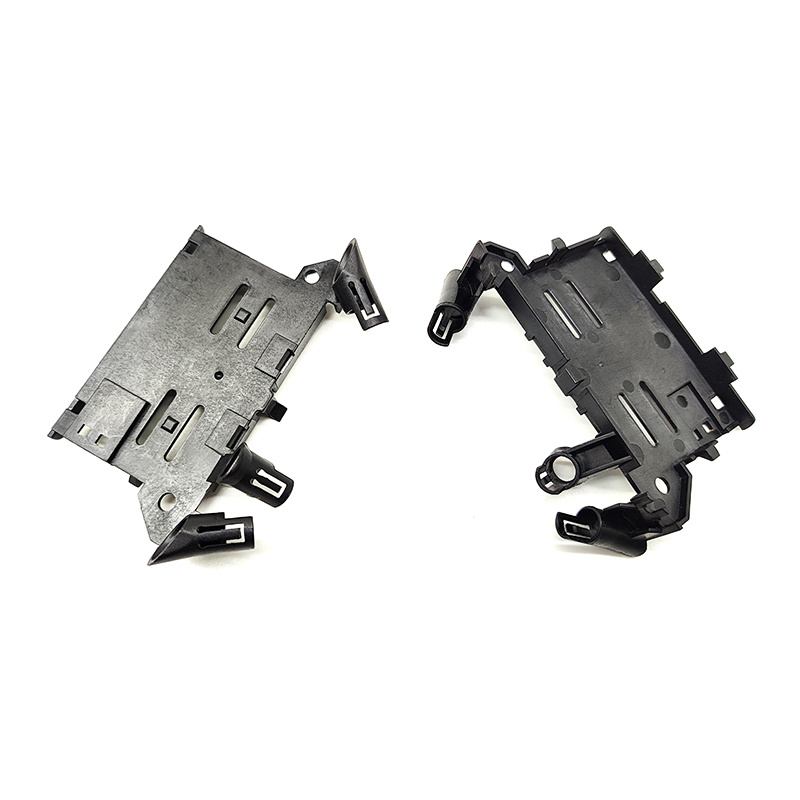
Another significant benefit of rapid mould is its potential to enhance product quality. The precision involved in rapid moulding not only facilitates the creation of intricate designs but also reduces the occurrence of defects typically associated with traditional mould making. Improved accuracy ensures that parts fit together perfectly, leading to better overall product performance and durability. This level of quality control is especially crucial in industries where high standards are mandatory, such as automotive and medical devices.
Cost efficiency is another important aspect of rapid mould technology. Although the initial investment in advanced equipment may be higher, the long-term savings can be substantial. By reducing the time required for mould production and minimizing waste, manufacturers can decrease their overall production costs. Moreover, faster turnaround times mean that companies can take on more projects within the same time frame, further enhancing their profitability.
In addition to these advantages, rapid mould technology is also highly adaptable. It can accommodate a wide range of materials and design complexities, making it suitable for various applications. This versatility allows manufacturers to explore innovative designs and materials that may not have been feasible with traditional methods, fostering creativity and pushing the boundaries of product development.
In conclusion, rapid mould technology is revolutionizing the plastic manufacturing industry by offering significant improvements in speed, quality, cost efficiency, and adaptability. For professionals in the manufacturing sector, embracing this technology is essential for staying competitive and meeting the ever-evolving demands of the market. Understanding the capabilities and benefits of rapid mould can empower manufacturers to optimize their processes, ultimately leading to better products and increased business success.
One of the primary advantages of rapid mould technology is its ability to expedite the design and production process. Traditional mould-making methods can be time-consuming, often taking weeks or months to complete. In contrast, rapid mould techniques can shorten this timeline to just a few days. This is achieved through the use of advanced materials and manufacturing processes, such as 3D printing and CNC machining, which allow for quick prototyping and iteration. As a result, manufacturers can respond more swiftly to market demands and customer needs, ultimately gaining a competitive edge.
Another significant benefit of rapid mould is its potential to enhance product quality. The precision involved in rapid moulding not only facilitates the creation of intricate designs but also reduces the occurrence of defects typically associated with traditional mould making. Improved accuracy ensures that parts fit together perfectly, leading to better overall product performance and durability. This level of quality control is especially crucial in industries where high standards are mandatory, such as automotive and medical devices.
Cost efficiency is another important aspect of rapid mould technology. Although the initial investment in advanced equipment may be higher, the long-term savings can be substantial. By reducing the time required for mould production and minimizing waste, manufacturers can decrease their overall production costs. Moreover, faster turnaround times mean that companies can take on more projects within the same time frame, further enhancing their profitability.
In addition to these advantages, rapid mould technology is also highly adaptable. It can accommodate a wide range of materials and design complexities, making it suitable for various applications. This versatility allows manufacturers to explore innovative designs and materials that may not have been feasible with traditional methods, fostering creativity and pushing the boundaries of product development.
In conclusion, rapid mould technology is revolutionizing the plastic manufacturing industry by offering significant improvements in speed, quality, cost efficiency, and adaptability. For professionals in the manufacturing sector, embracing this technology is essential for staying competitive and meeting the ever-evolving demands of the market. Understanding the capabilities and benefits of rapid mould can empower manufacturers to optimize their processes, ultimately leading to better products and increased business success.
Rapid mould
Related news
2024-11-15