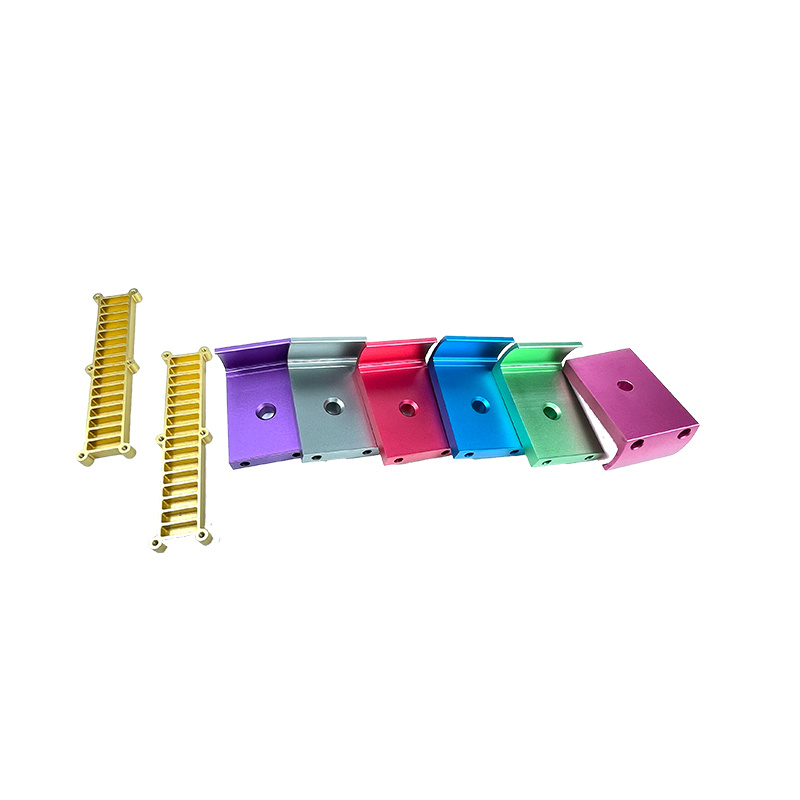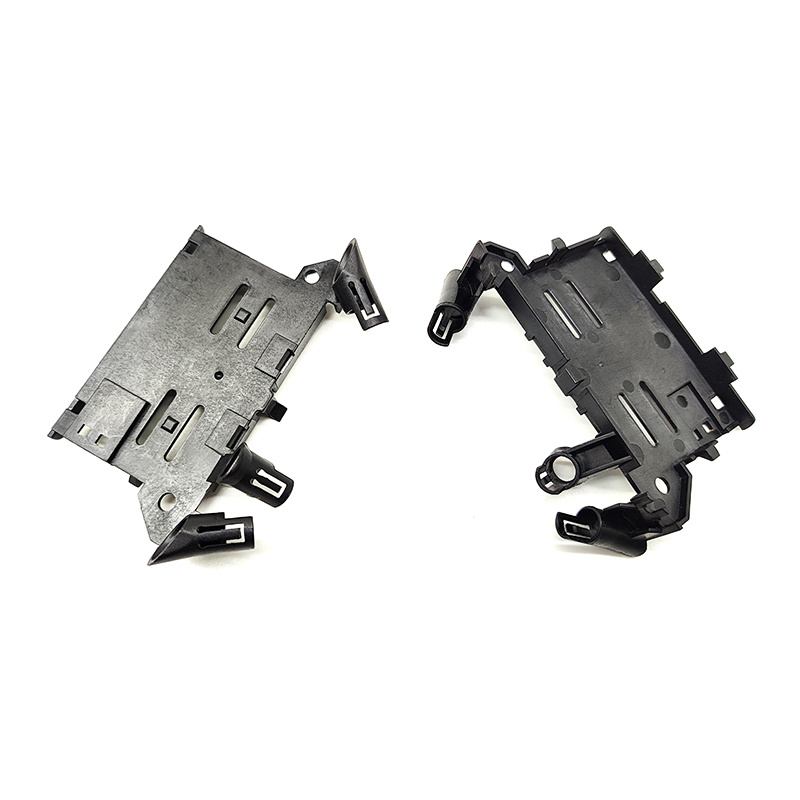
Enhancing Product Durability with High-Quality Die Casting Parts: A Comprehensive Guide
Time:
2024-12-15 09:40
Source:
Enhancing Product Durability with High-Quality Die Casting Parts
Table of Contents
- 1. Introduction to Die Casting and Product Durability
- 2. Understanding Die Casting: Definitions and Process
- 3. Advantages of Using High-Quality Die Casting Parts
- 4. Materials Used in Die Casting and Their Impact on Durability
- 5. Design Considerations for Durable Die Casting Parts
- 6. Quality Control Measures in Die Casting
- 7. Applications of Durable Die Casting Parts
- 8. Future Trends in Die Casting Technology for Enhanced Durability
- 9. Frequently Asked Questions
- 10. Conclusion
1. Introduction to Die Casting and Product Durability
In the realm of manufacturing, **product durability** is paramount. It determines the lifespan and reliability of components used across various industries. Die casting, a widely adopted manufacturing process, plays a critical role in achieving high durability. By creating precise metal parts through the injection of molten metal into molds, die casting ensures that products can withstand stress and wear over time.
2. Understanding Die Casting: Definitions and Process
Die casting is a manufacturing process that involves forcing molten metal into a mold cavity under high pressure. This technique is employed to produce complex shapes with high dimensional accuracy. The typical metals used include aluminum, zinc, and magnesium.
The Die Casting Process
The die casting process can be broken down into several steps:
1. **Preparation of the mold**: Molds are made from high-quality steel, which can withstand the heat and pressure of molten metal.
2. **Melting the metal**: Metal is melted in a furnace and then injected into the mold.
3. **Injection**: The molten metal is injected into the mold at high speed.
4. **Cooling**: After the metal fills the mold, it is allowed to cool and solidify.
5. **Ejection**: Once cooled, the mold opens, and the finished die cast part is ejected.
Understanding this process is essential in optimizing the durability of die casting parts.
3. Advantages of Using High-Quality Die Casting Parts
High-quality die casting parts offer numerous advantages that contribute to their durability:
- **Precision and Accuracy**: Die casting produces parts with excellent dimensional tolerances and smooth surfaces, reducing the need for machining and enhancing durability.
- **Complex Geometries**: The ability to create intricate designs allows for the integration of features that improve strength and reduce weight.
- **Material Efficiency**: Die casting minimizes waste by using only the necessary amount of metal, making it an economical choice.
- **Consistency**: High-quality die casting ensures uniformity in production, leading to consistent product performance over time.
4. Materials Used in Die Casting and Their Impact on Durability
The choice of material significantly influences the durability of die cast parts. Common materials used in die casting include:
- **Aluminum**: Known for its lightweight and corrosion resistance, aluminum die cast parts are durable and suitable for a variety of applications.
- **Zinc**: With excellent casting properties, zinc is often used for small, complex parts that require high strength.
- **Magnesium**: Magnesium die casting parts are lighter than aluminum and provide good strength-to-weight ratios, making them ideal for automotive applications.
Understanding the properties of these materials helps manufacturers select the right option for enhancing product durability.
5. Design Considerations for Durable Die Casting Parts
Designing for durability involves several key considerations:
1. Wall Thickness
Maintaining a uniform wall thickness can prevent defects and ensure the integrity of the part. Thicker sections may be prone to porosity, while thinner sections may compromise strength.
2. Ribbing and Reinforcements
Incorporating ribs and reinforcements can significantly improve the strength of die cast parts without adding excessive weight.
3. Draft Angles
Adding proper draft angles facilitates easier ejection from the mold while minimizing stress concentrations.
4. Tolerances
Defining appropriate tolerances during the design phase will ensure that parts fit together well and maintain functionality over time.
6. Quality Control Measures in Die Casting
Implementing strict quality control measures is vital for enhancing the durability of die casting parts. Key practices include:
- **Material Inspection**: Testing and verifying the properties of raw materials before production.
- **Process Monitoring**: Regular monitoring of the die casting process to detect any anomalies.
- **Final Inspection**: Conducting thorough inspections of finished products for defects such as cracks or surface imperfections.
Quality control not only ensures product durability but also boosts overall customer satisfaction.
7. Applications of Durable Die Casting Parts
Die casting parts find applications across various industries, thanks to their durability:
- **Automotive**: Engine components, frames, and other critical parts benefit from the strength and lightweight nature of die casting.
- **Electronics**: Housings for electronic devices are often made using die casting to provide protection and durability.
- **Aerospace**: Components used in aerospace applications require exceptional durability, making die casting a preferred choice.
Understanding these applications highlights the widespread importance of high-quality die casting parts.
8. Future Trends in Die Casting Technology for Enhanced Durability
The future of die casting technology is geared towards enhancing durability through:
- **Advanced Alloys**: Development of new metal alloys that provide better strength, corrosion resistance, and heat tolerance.
- **Automation and Robotics**: Increased automation in the die casting process can reduce human error and improve precision.
- **Sustainability**: Emphasis on eco-friendly practices, including recycling materials and reducing waste during the casting process.
These trends indicate a promising future for die casting in producing durable components.
9. Frequently Asked Questions
1. What is die casting?
Die casting is a manufacturing process that involves injecting molten metal into a mold to create complex shapes with high precision.
2. Why is durability important in die casting?
Durability ensures that die cast parts can withstand wear and tear, reducing the need for replacements and maintenance.
3. What materials are commonly used in die casting?
Common materials include aluminum, zinc, and magnesium, each offering unique properties that affect durability.
4. How can I enhance the durability of die cast parts?
By focusing on design considerations, quality control measures, and selecting appropriate materials, manufacturers can enhance the durability of die cast parts.
5. What industries use die casting?
Die casting is utilized across various industries, including automotive, electronics, and aerospace, for its strength and precision.
10. Conclusion
In summary, **enhancing product durability with high-quality die casting parts** is achievable through a strategic approach to design, material selection, and quality control. By understanding the die casting process and its benefits, manufacturers can optimize their production methods, leading to products that are not only longer-lasting but also more reliable. As technology continues to evolve, staying informed about the latest advancements will ensure that businesses remain competitive in an ever-changing market. Embrace the power of high-quality die casting and pave the way for superior product performance.
Die casting parts
Related news
2024-11-15