Understanding Die-Casting Parts: A Comprehensive Guide for Manufacturing Professionals
Time:
2024-12-17 09:40
Source:
Die-casting parts are essential components in the manufacturing industry, particularly for those involved in mold-making and die-casting processes. This technique allows for the rapid production of complex shapes and high precision parts, making it a favored choice for various applications. In this guide, we will delve into the key aspects of die-casting parts, including their benefits, production processes, and applications in different industries.
One of the primary advantages of die-casting parts is the ability to produce components with excellent dimensional accuracy and surface finish. The die-casting process involves forcing molten metal into a mold under high pressure. This results in parts that can achieve tight tolerances and intricate designs, which are often required in industries such as automotive, aerospace, and electronics. Additionally, die-casting materials, such as aluminum, zinc, and magnesium alloys, contribute to the lightweight yet durable nature of the finished products.
The die-casting process can be divided into two main types: hot chamber and cold chamber die-casting. Hot chamber die-casting is suitable for low melting point metals, where the injection mechanism is located directly in the molten metal. Cold chamber die-casting, on the other hand, requires the metal to be melted separately and then transferred to the injection chamber. This method is typically used for materials with higher melting points, offering versatility in material selection.
Another significant benefit of using die-casting parts is the potential for high-volume production. Once the initial mold is created—a process that requires investment in design and manufacturing—subsequent parts can be produced rapidly and cost-effectively. This efficiency makes die-casting an ideal choice for industries that demand large quantities of parts without compromising quality.
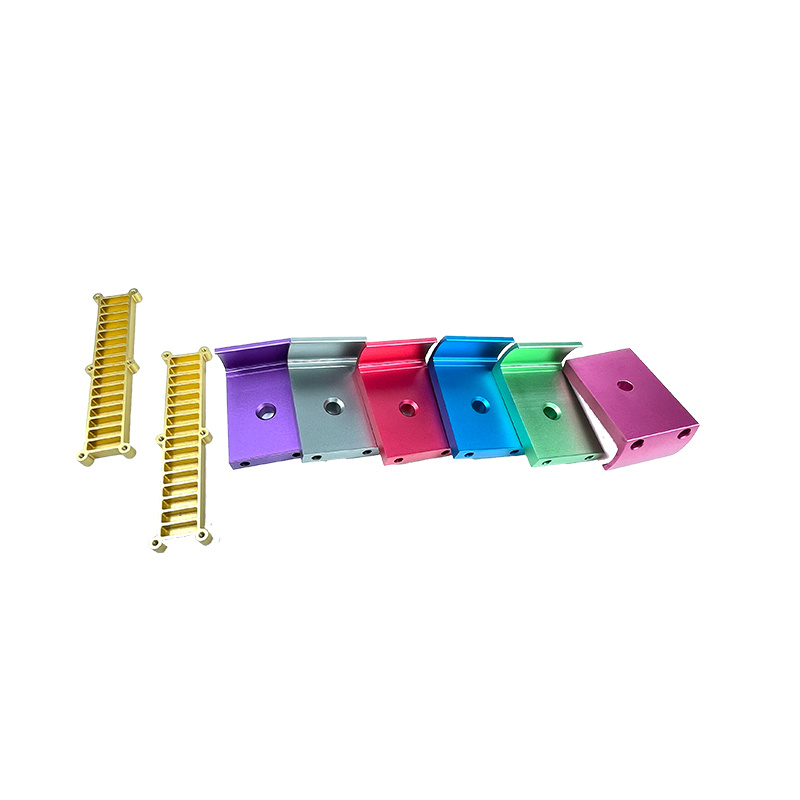
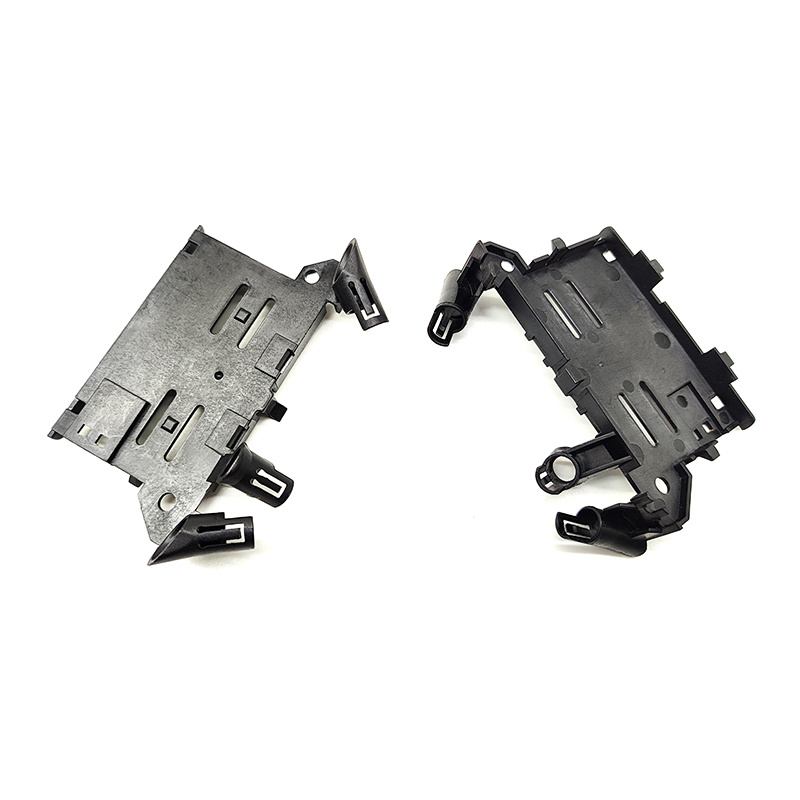
Moreover, die-casting parts are widely used in various applications. In the automotive industry, for example, die-casting is crucial for producing components such as engine blocks, transmission cases, and various structural elements. In the electronics industry, die-casting parts are used for housings and enclosures, providing protection and enhancing aesthetic appeal. The versatility of die-casting allows manufacturers to cater to diverse needs across multiple sectors.
In conclusion, die-casting parts play a vital role in the manufacturing and mechanical processing sectors. Understanding the benefits, processes, and applications of die-casting can equip professionals with the knowledge needed to leverage this technique effectively. By incorporating die-casting parts into production workflows, manufacturers can enhance their output quality, efficiency, and ultimately, their competitive edge in the market.
One of the primary advantages of die-casting parts is the ability to produce components with excellent dimensional accuracy and surface finish. The die-casting process involves forcing molten metal into a mold under high pressure. This results in parts that can achieve tight tolerances and intricate designs, which are often required in industries such as automotive, aerospace, and electronics. Additionally, die-casting materials, such as aluminum, zinc, and magnesium alloys, contribute to the lightweight yet durable nature of the finished products.
The die-casting process can be divided into two main types: hot chamber and cold chamber die-casting. Hot chamber die-casting is suitable for low melting point metals, where the injection mechanism is located directly in the molten metal. Cold chamber die-casting, on the other hand, requires the metal to be melted separately and then transferred to the injection chamber. This method is typically used for materials with higher melting points, offering versatility in material selection.
Another significant benefit of using die-casting parts is the potential for high-volume production. Once the initial mold is created—a process that requires investment in design and manufacturing—subsequent parts can be produced rapidly and cost-effectively. This efficiency makes die-casting an ideal choice for industries that demand large quantities of parts without compromising quality.
Moreover, die-casting parts are widely used in various applications. In the automotive industry, for example, die-casting is crucial for producing components such as engine blocks, transmission cases, and various structural elements. In the electronics industry, die-casting parts are used for housings and enclosures, providing protection and enhancing aesthetic appeal. The versatility of die-casting allows manufacturers to cater to diverse needs across multiple sectors.
In conclusion, die-casting parts play a vital role in the manufacturing and mechanical processing sectors. Understanding the benefits, processes, and applications of die-casting can equip professionals with the knowledge needed to leverage this technique effectively. By incorporating die-casting parts into production workflows, manufacturers can enhance their output quality, efficiency, and ultimately, their competitive edge in the market.
Die-casting-parts
Related news
2024-11-15